
Gandhi Jayanti: How Mahatma Gandhi’s Sevagram Hut Reflected His Simple Lifestyle

Every year, October 2 is observed as Gandhi Jayanti , marking the birth anniversary of Mahatma Gandhi . Beyond the national celebrations, the day also offers an opportunity to look at the places that shaped his life and work.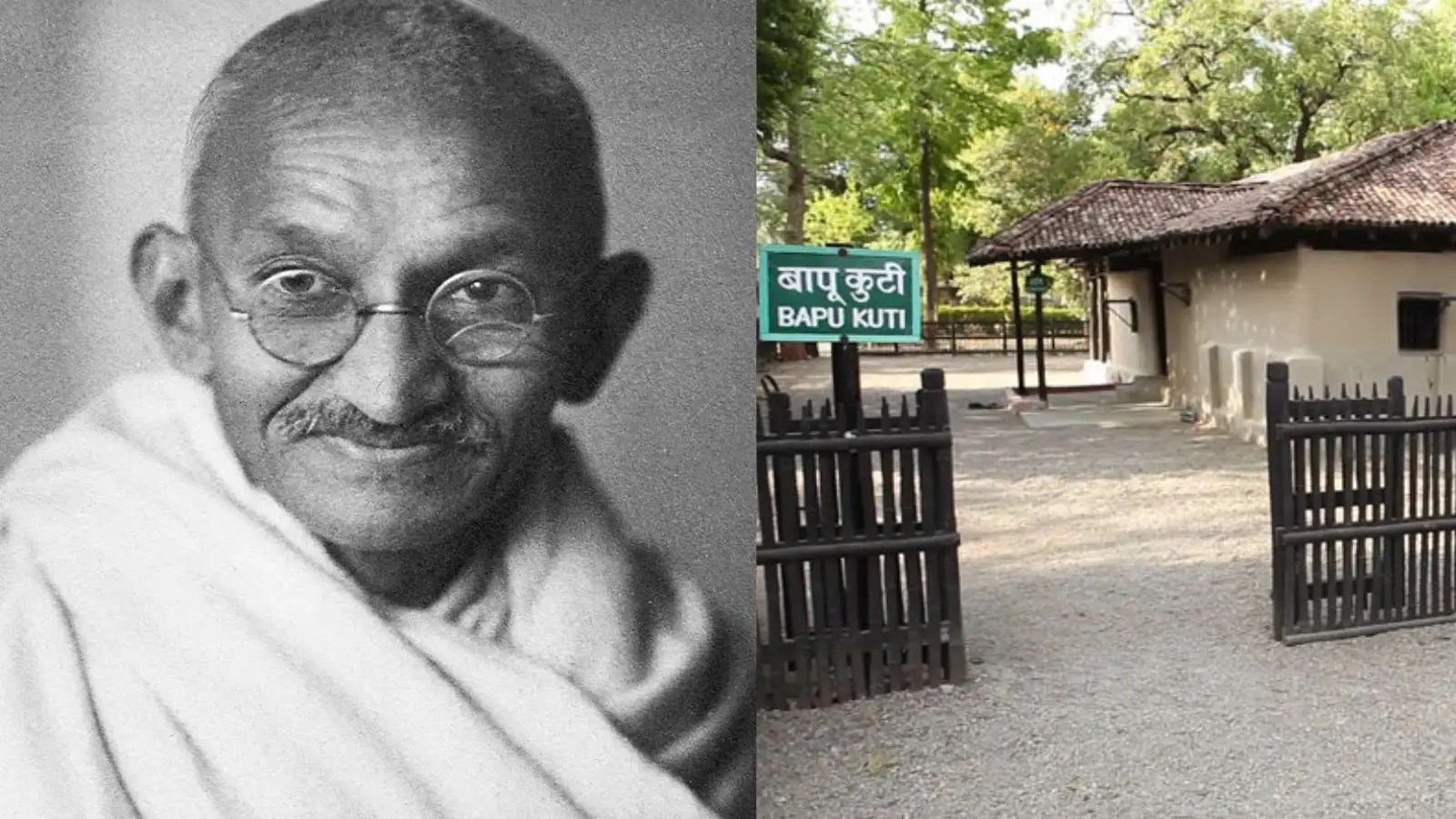
One such place is Sevagram Ashram in Wardha, Maharashtra. Gandhi lived and worked here from 1936 until 1948. The ashram became closely associated with his ideas of village self-reliance, simple living, khadi, education and social reform.
Today, its preserved huts and open spaces offer a glimpse into the everyday surroundings in which Gandhi lived, worked and held important discussions.
He arrived in Shegaon on April 30, 1936. At the time, the village had no proper road or post office and was surrounded by forests. Snakes and scorpions were also common.
Until his cottage was ready, Gandhi stayed in a temporary shelter in a guava orchard near a well. He wanted his permanent home to reflect the village around him rather than stand apart from it.
 Pic Credit: MK Gandhi ORG
He had initially instructed that the construction expenditure should remain within Rs 100. The final cost exceeded that amount, which reportedly displeased him.
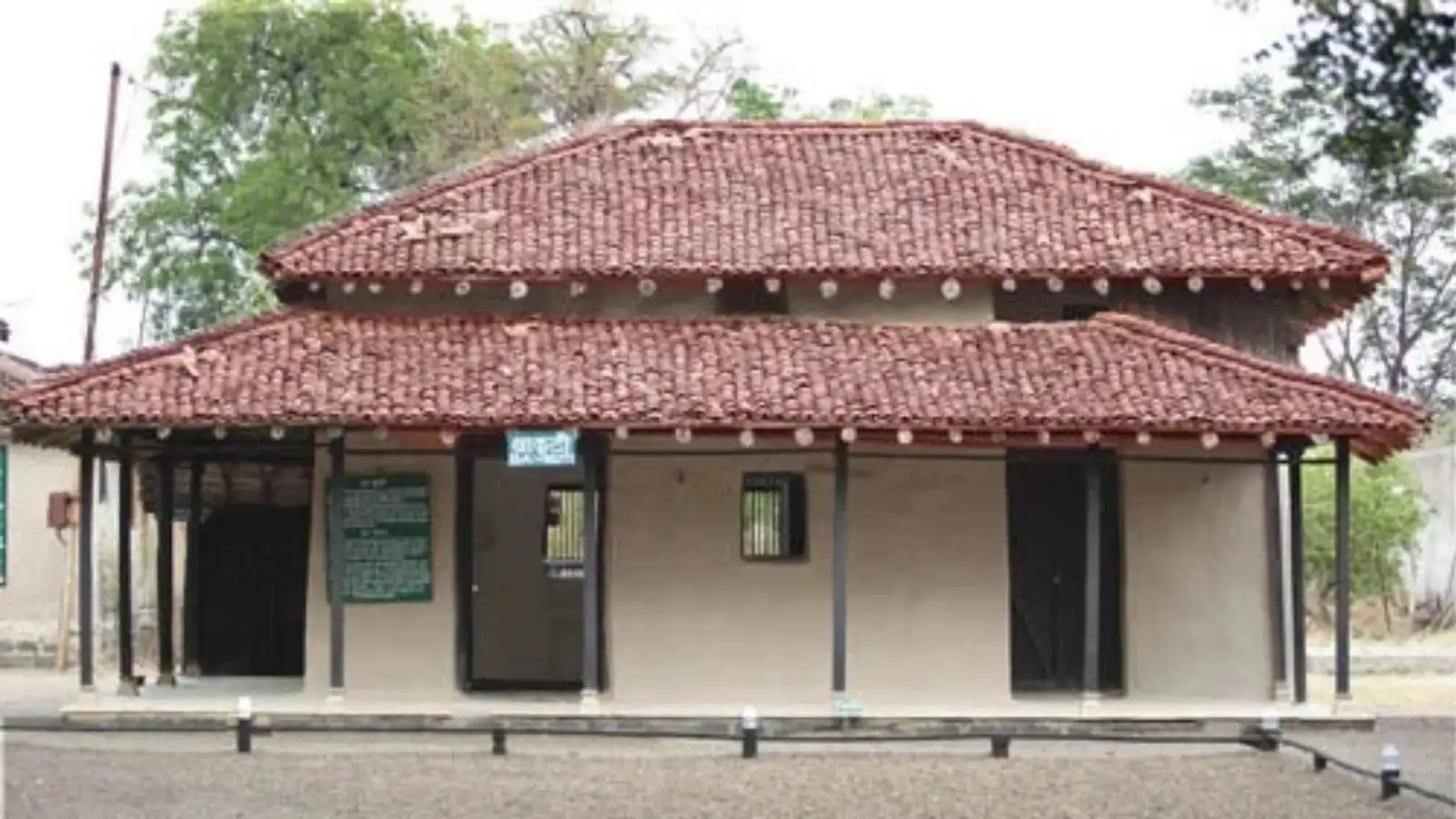
The modest design reflected more than personal preference. Gandhi's approach was linked to swadeshi and his belief that village resources, skills and labour should be encouraged. His home was therefore intended to fit into the rural setting and remain close to the way ordinary villagers lived.
 Pic Credit: MK Gandhi ORG
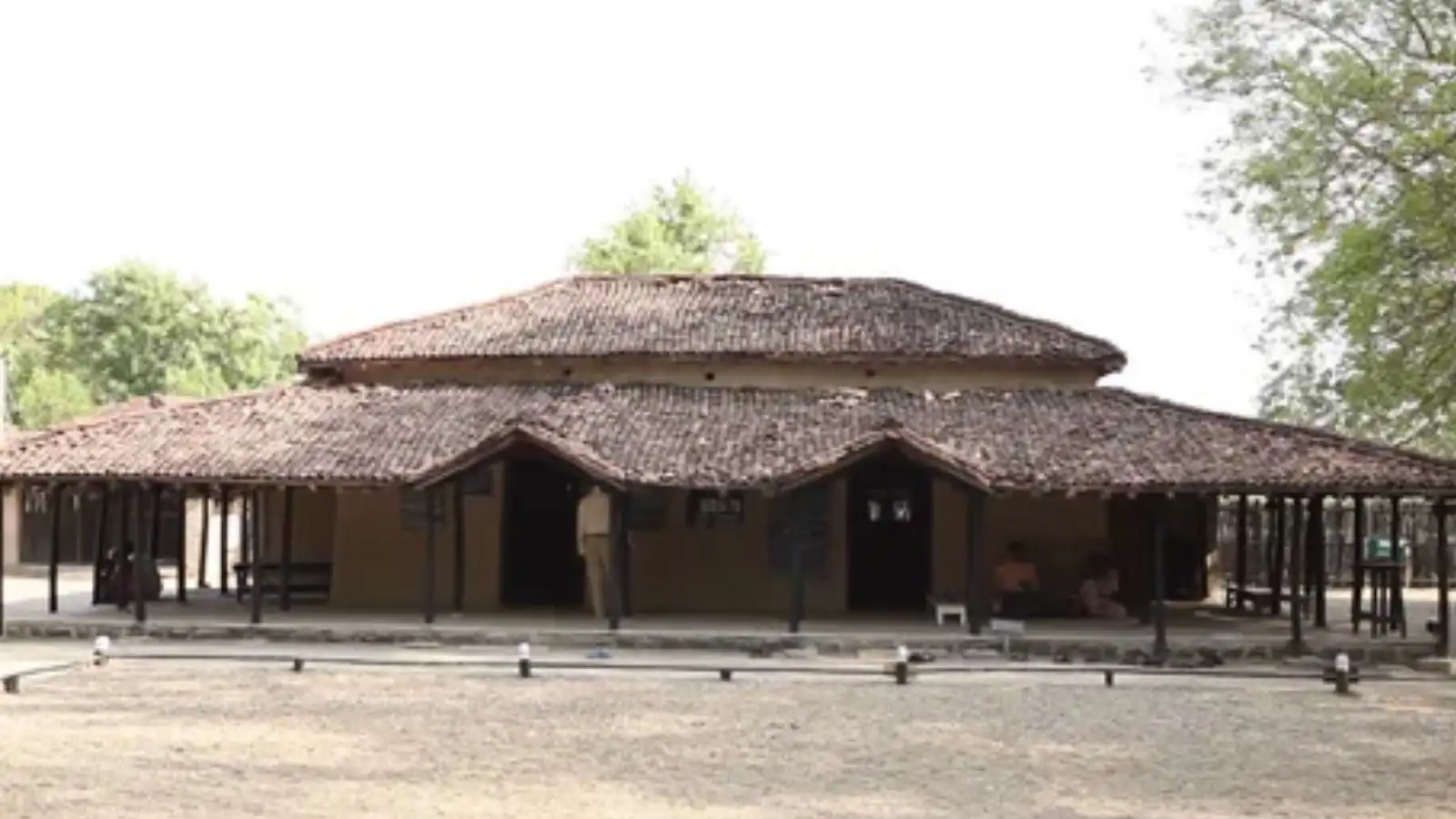
He did not live there alone. Kasturba Gandhi, his secretary Pyarelal, other ashram residents and guests shared the cottage. The space included rooms for a kitchen and bathroom, while the northern verandah served as the dining area.
The cottage was also a place of work. Gandhi spent time reading, writing and spinning on the charkha amid the routines of a shared household.
The prayer ground outside Adi Nivas remains an important part of the ashram. Morning and evening prayers representing different religions were held under the open sky, a practice that continues at the ashram.
Adi Nivas witnessed discussions that connected Gandhi's everyday life with the larger political movement. According to the ashram's account, the first meeting connected with the Quit India movement was held in the cottage in 1942.
The simplicity of the hut stands in contrast to the significance of the discussions that took place there. A space used for meals, reading and routine activities also became part of the story of India's Independence movement.
The new name reflected the activities associated with the ashram. Village development, self-reliance, khadi, education, dignity of labour, social equality and efforts towards removing untouchability were among the areas connected with Gandhi's work there.
 Pic Credit: MK Gandhi ORG
Ba Kuti: This was Kasturba Gandhi's residence.
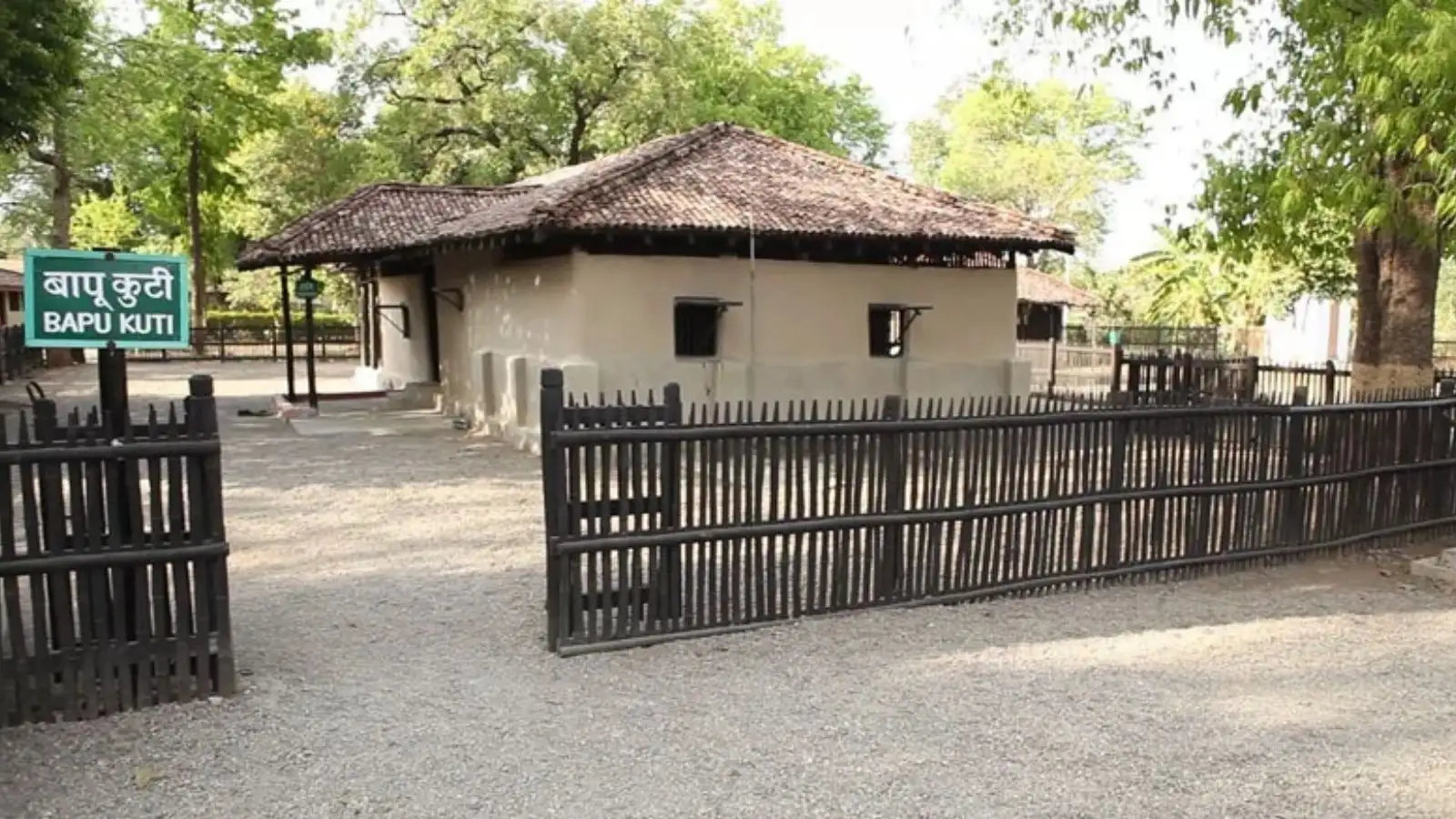
Bapu Kuti: Gandhi later lived here. His everyday belongings, sleeping cot and massage table are preserved. Morning prayers are still held in its verandah.
Gandhi's Secretariat: Gandhi used this room for correspondence with people across the world. A telephone installed by the British authorities and equipment associated with catching and releasing snakes are displayed here.
Akhiri Nivas: Initially used as a hospital for villagers, Gandhi stayed here while recovering from cough and cold before leaving for Noakhali. He did not return, giving the hut its name, meaning "last abode". His weighing machine is displayed here.
Bapu's Kitchen: The kitchen used by Gandhi continues to be preserved, along with a flour-grinding machine that he sometimes used.
Adya Adi Nivas: This is where Gandhi first rested after arriving from Wardha.
Parchure Kuti: Gandhi served Sanskrit scholar and constructive worker Parchure when he was affected by leprosy.
Mahadev Kuti: Gandhi's secretary Mahadev Desai lived here with his family.
Kishore Nivas: This was the residence of Kishorilal Manshruwala, a close disciple of Gandhi and part-time editor of the Harijan weekly.
Rustam Bhavan: A four-room guest house built for ashram visitors, which continues to serve that purpose.
Gandhi Exhibition: The photo exhibition presents aspects of Gandhi's life and work.
Yatri Nivas: Built in 1982, it provides accommodation for visitors and is also used for training camps and conferences.
Nai Talim Parisar: This basic education complex was developed under Gandhi's guidance and reflects his ideas about education.
The cottages, kitchen, prayer ground and simple living spaces show how his public ideas were connected to everyday choices. From using local materials to living alongside other ashram members, the setting became part of his experiment with village life and self-reliance.
On Gandhi Jayanti, these quiet spaces provide a different way to remember him. Instead of grand monuments, Sevagram offers a closer look at the simple surroundings in which Gandhi lived, worked and engaged with the people and issues of his time.
Disclaimer: This article is based on publicly available resources and is intended for general information purposes only. NewsPoint does not independently verify the claims presented.
One such place is Sevagram Ashram in Wardha, Maharashtra. Gandhi lived and worked here from 1936 until 1948. The ashram became closely associated with his ideas of village self-reliance, simple living, khadi, education and social reform.
Today, its preserved huts and open spaces offer a glimpse into the everyday surroundings in which Gandhi lived, worked and held important discussions.
From Shegaon To Sevagram
Gandhi's association with Wardha became stronger in the 1930s after Jamnalal Bajaj persuaded him to move there. Gandhi wanted to live among villagers, understand their daily lives and explore ways to make villages more self-reliant.He arrived in Shegaon on April 30, 1936. At the time, the village had no proper road or post office and was surrounded by forests. Snakes and scorpions were also common.
Until his cottage was ready, Gandhi stayed in a temporary shelter in a guava orchard near a well. He wanted his permanent home to reflect the village around him rather than stand apart from it.
The Idea Behind His Simple Home
Gandhi wanted local artisans to construct his dwelling using materials that were easily available in the area. Earth, bamboo, wood and roofing tiles were used for the work.He had initially instructed that the construction expenditure should remain within Rs 100. The final cost exceeded that amount, which reportedly displeased him.
The modest design reflected more than personal preference. Gandhi's approach was linked to swadeshi and his belief that village resources, skills and labour should be encouraged. His home was therefore intended to fit into the rural setting and remain close to the way ordinary villagers lived.
Adi Nivas , His First Home
On June 16, 1936, Gandhi moved into the cottage that became known as Adi Nivas, meaning the first residence.He did not live there alone. Kasturba Gandhi, his secretary Pyarelal, other ashram residents and guests shared the cottage. The space included rooms for a kitchen and bathroom, while the northern verandah served as the dining area.
The cottage was also a place of work. Gandhi spent time reading, writing and spinning on the charkha amid the routines of a shared household.
The prayer ground outside Adi Nivas remains an important part of the ashram. Morning and evening prayers representing different religions were held under the open sky, a practice that continues at the ashram.
Where Everyday Life Met The Freedom Movement
Sevagram gradually became a meeting place for political colleagues, visitors and people involved in different aspects of India's freedom struggle.Adi Nivas witnessed discussions that connected Gandhi's everyday life with the larger political movement. According to the ashram's account, the first meeting connected with the Quit India movement was held in the cottage in 1942.
The simplicity of the hut stands in contrast to the significance of the discussions that took place there. A space used for meals, reading and routine activities also became part of the story of India's Independence movement.
Why Shegaon Became Sevagram
The village was later renamed Sevagram, meaning "village of service". The change was also connected with confusion over letters meant for Gandhi being sent to another Shegaon in Maharashtra.The new name reflected the activities associated with the ashram. Village development, self-reliance, khadi, education, dignity of labour, social equality and efforts towards removing untouchability were among the areas connected with Gandhi's work there.
Other Places To See At Sevagram Ashram
The ashram has several preserved spaces connected with Gandhi, Kasturba and other members of the community.Ba Kuti: This was Kasturba Gandhi's residence.
Bapu Kuti: Gandhi later lived here. His everyday belongings, sleeping cot and massage table are preserved. Morning prayers are still held in its verandah.
Gandhi's Secretariat: Gandhi used this room for correspondence with people across the world. A telephone installed by the British authorities and equipment associated with catching and releasing snakes are displayed here.
Akhiri Nivas: Initially used as a hospital for villagers, Gandhi stayed here while recovering from cough and cold before leaving for Noakhali. He did not return, giving the hut its name, meaning "last abode". His weighing machine is displayed here.
Bapu's Kitchen: The kitchen used by Gandhi continues to be preserved, along with a flour-grinding machine that he sometimes used.
Adya Adi Nivas: This is where Gandhi first rested after arriving from Wardha.
Parchure Kuti: Gandhi served Sanskrit scholar and constructive worker Parchure when he was affected by leprosy.
You may also like
- PM Modi speaks to 'hero' flydubai pilot Smit Machchaar, hears his account of the ordeal
- EC launches special drive to restore names dropped during SIR, BLOs to trace left-out voters
- Multiple Indian payloads reach orbit aboard SpaceX's Falcon 9
- 'Halla Bol' against Gyanesh: AAP leaders detained from Jantar Mantar, internet services suspended - top developments
- Assam Police Seize Drugs Worth ₹60 Lakhs, Two Arrested
Mahadev Kuti: Gandhi's secretary Mahadev Desai lived here with his family.
Kishore Nivas: This was the residence of Kishorilal Manshruwala, a close disciple of Gandhi and part-time editor of the Harijan weekly.
Rustam Bhavan: A four-room guest house built for ashram visitors, which continues to serve that purpose.
Gandhi Exhibition: The photo exhibition presents aspects of Gandhi's life and work.
Yatri Nivas: Built in 1982, it provides accommodation for visitors and is also used for training camps and conferences.
Nai Talim Parisar: This basic education complex was developed under Gandhi's guidance and reflects his ideas about education.
A Living Glimpse Of Gandhi's Ideas
Sevagram Ashram is significant not only because Gandhi lived there for many years, but also because the surroundings reflected the principles he spoke about.The cottages, kitchen, prayer ground and simple living spaces show how his public ideas were connected to everyday choices. From using local materials to living alongside other ashram members, the setting became part of his experiment with village life and self-reliance.
On Gandhi Jayanti, these quiet spaces provide a different way to remember him. Instead of grand monuments, Sevagram offers a closer look at the simple surroundings in which Gandhi lived, worked and engaged with the people and issues of his time.
Disclaimer: This article is based on publicly available resources and is intended for general information purposes only. NewsPoint does not independently verify the claims presented.






Loving Newspoint? Download the app now
