Have A ₹100 Note With A Rare Number? It Could Be Worth Up To ₹18 Lakh

In recent years, the demand for old currency notes and rare coins has seen a sharp rise, not just in India but across international collector markets as well. What was once considered spare change tucked away in drawers is now emerging as a potential source of unexpected income. Among these, old ₹100 notes are drawing particular attention. However, simply owning an old note does not guarantee a high price. Its real value depends on specific features that collectors actively seek, making awareness and careful identification essential before selling.
Hero Image


Why Certain ₹100 Notes Are Highly Valued

The growing interest in rare currency is driven by collectors, investors, and hobbyists who value historical relevance and uniqueness. Old ₹100 notes with unusual characteristics often command prices far beyond their face value. Factors such as rarity, condition, and cultural symbolism play a crucial role in determining how much a buyer is willing to pay. Notes that stand out from standard circulation are more likely to attract serious interest in the market.

Importance Of Special Serial Numbers

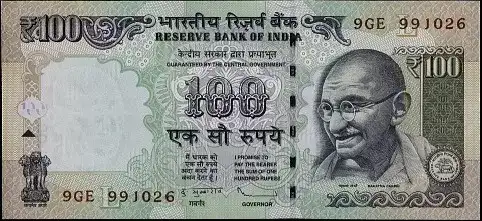
One of the most important features that can significantly increase the value of a ₹100 note is its serial number. Notes carrying distinctive or meaningful number patterns are especially sought after. Among them, notes bearing the number 786 are considered extremely valuable. This number is widely regarded as auspicious and symbolises peace, prosperity, and progress, particularly within the Muslim community.


Because of its cultural and religious significance, a ₹100 note with 786 in the serial number is often viewed as more than just currency. Collectors are willing to pay a premium for such notes, pushing their market value into several lakhs of rupees under the right conditions.

Role Of Design And Printed Images

Apart from serial numbers, the overall design and imagery on the note also influence its worth. Notes featuring clear and well-preserved images of Mahatma Gandhi or the Ashoka Pillar are generally more desirable. Sharp printing, minimal fading, and intact edges add to a note’s appeal.