
Mamata Banerjee and the Rise of the Trinamool Congress: From ‘Grassroots’ Movement to Political Powerhouse

The All India Trinamool Congress (AITC) which is popularly known as Trinamool Congress (TMC) was formed on January 1, 1998 by Mamata Banerjee . The party was founded after her split from the Indian National Congress due to her disagreements with the party’s leadership. She also believed that the Congress party was failing to challenge the ruling Left front government in Bengal.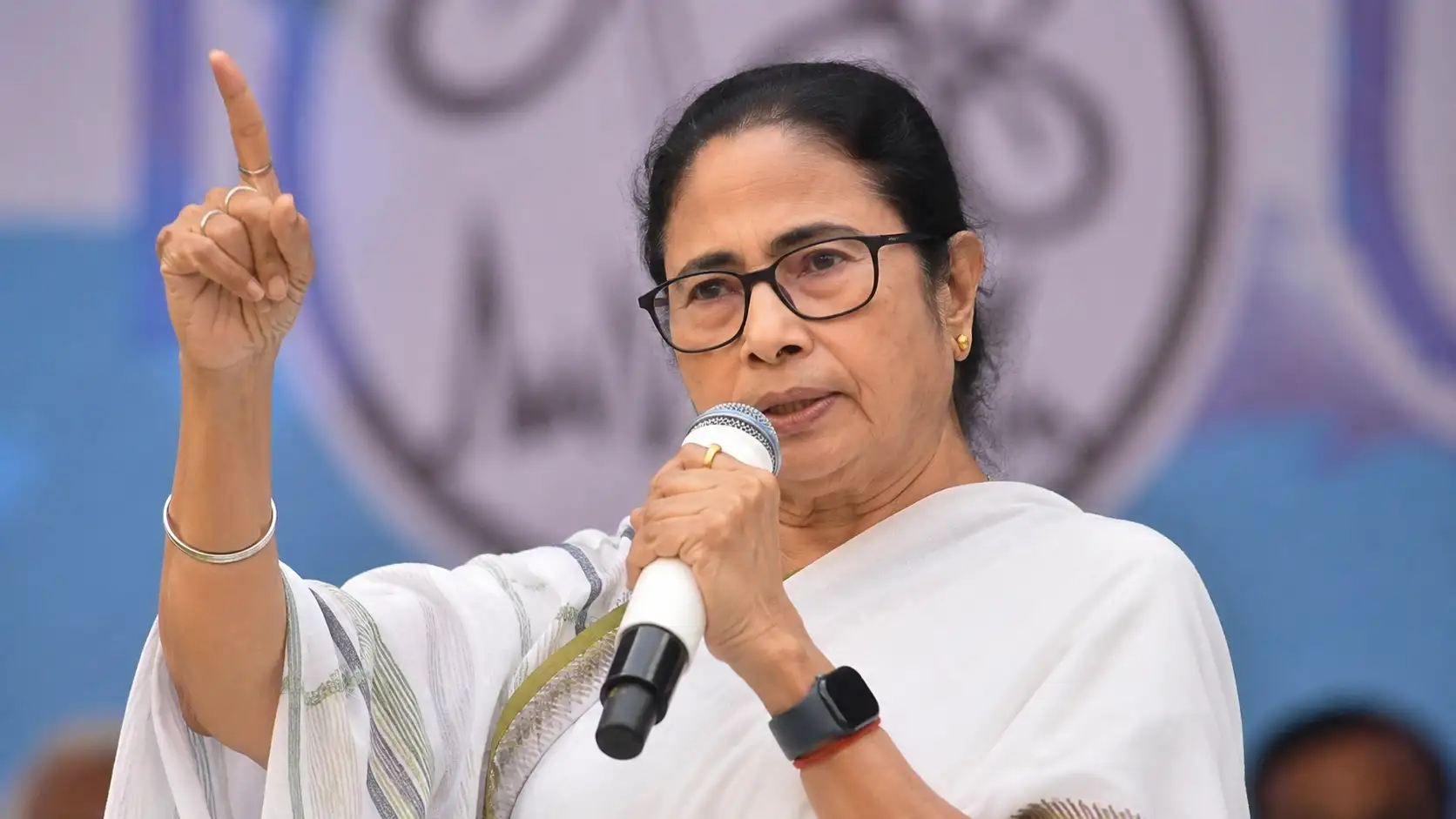
The term ‘Trinamool’ means grassroots in Bengali and symbolised the party’s commitment to represent ordinary citizens and local level political participation.
Mamata Banerjee had quickly become the face of the opposition. Her energetic campaigning style helped the party gain support among people wanting political change.
The party actively supported the local farmers and local residents who opposed the acquisition of agricultural lands. Mamata Banerjee’s leadership during these movements made her a favourite among the locals and significantly increased the party’s popularity in Bengal.
The victory marked a historic shift in the politics of West Bengal. Mamata Banerjee also made history by becoming the first women chief minister of the state.
After coming into power, the party successfully retained power in 2016 and 2021 West Bengal Assembly elections before eventually succumbing to the Bharatiya Janata Party in the 2026 Assembly Elections.
The 2026 elections ended its 15 year reign in West Bengal and helped broaden the crack within the party with many party workers leaving TMC following their defeat.
The term ‘Trinamool’ means grassroots in Bengali and symbolised the party’s commitment to represent ordinary citizens and local level political participation.
Challenging the Left Front's Dominance
TMC was formed in 1998, that time the Left Front was in power in Bengal. The alliance was led by the Communist Party of India (Marxist) or CPI(M) for short.Mamata Banerjee had quickly become the face of the opposition. Her energetic campaigning style helped the party gain support among people wanting political change.
The Singur and Nandigram Movements
A major turning point for the party came during the protest between 2006 and 2008 in Singur and Nandigram which helped the party gain momentum. Here, the left government faced criticism over land acquisition policies linked to industrial projects.You may also like
- Annapurna Bhandar scheme: how to apply, who is eligible, documents needed
- After TCS Nashik, fresh religious conversion allegations surface at Wipro
- Jammu: Women lead Maha Aarti at historic Raghunath Temple
- 'Even a small sound scares us': Fear, grief linger in Malviya Nagar day after hotel blaze kills 21
- 'Islam-friendly gym' in Kerala's Palakkad sparks debate
The party actively supported the local farmers and local residents who opposed the acquisition of agricultural lands. Mamata Banerjee’s leadership during these movements made her a favourite among the locals and significantly increased the party’s popularity in Bengal.
Historic Victory in 2011
The biggest milestone for the party came in 2011 when the Trinamool Congress won the 2011 West Bengal Assembly elections after doing well in the 2009 Lok Sabha elections. They allied with the Congress and helped defeat the 34 year old Left front’s rule.The victory marked a historic shift in the politics of West Bengal. Mamata Banerjee also made history by becoming the first women chief minister of the state.
After coming into power, the party successfully retained power in 2016 and 2021 West Bengal Assembly elections before eventually succumbing to the Bharatiya Janata Party in the 2026 Assembly Elections.
The 2026 elections ended its 15 year reign in West Bengal and helped broaden the crack within the party with many party workers leaving TMC following their defeat.






More from our partners


Loving Newspoint? Download the app now
