
India Prepares Drought-Response Plan As Weak Monsoon Raises Fresh Worries Over Crops, Water And Inflation

India has begun preparing for the fallout of a weak monsoon after rainfall across the country remained well below normal in the early phase of the season, raising concern over crop sowing, water reserves and food inflation in one of the world’s most agriculture-dependent economies. With nearly half of India’s farmland still dependent on rain and millions of households relying directly on farm income, the shortfall has triggered a policy response focused on conserving water, repairing storage infrastructure and protecting the kharif season from further disruption.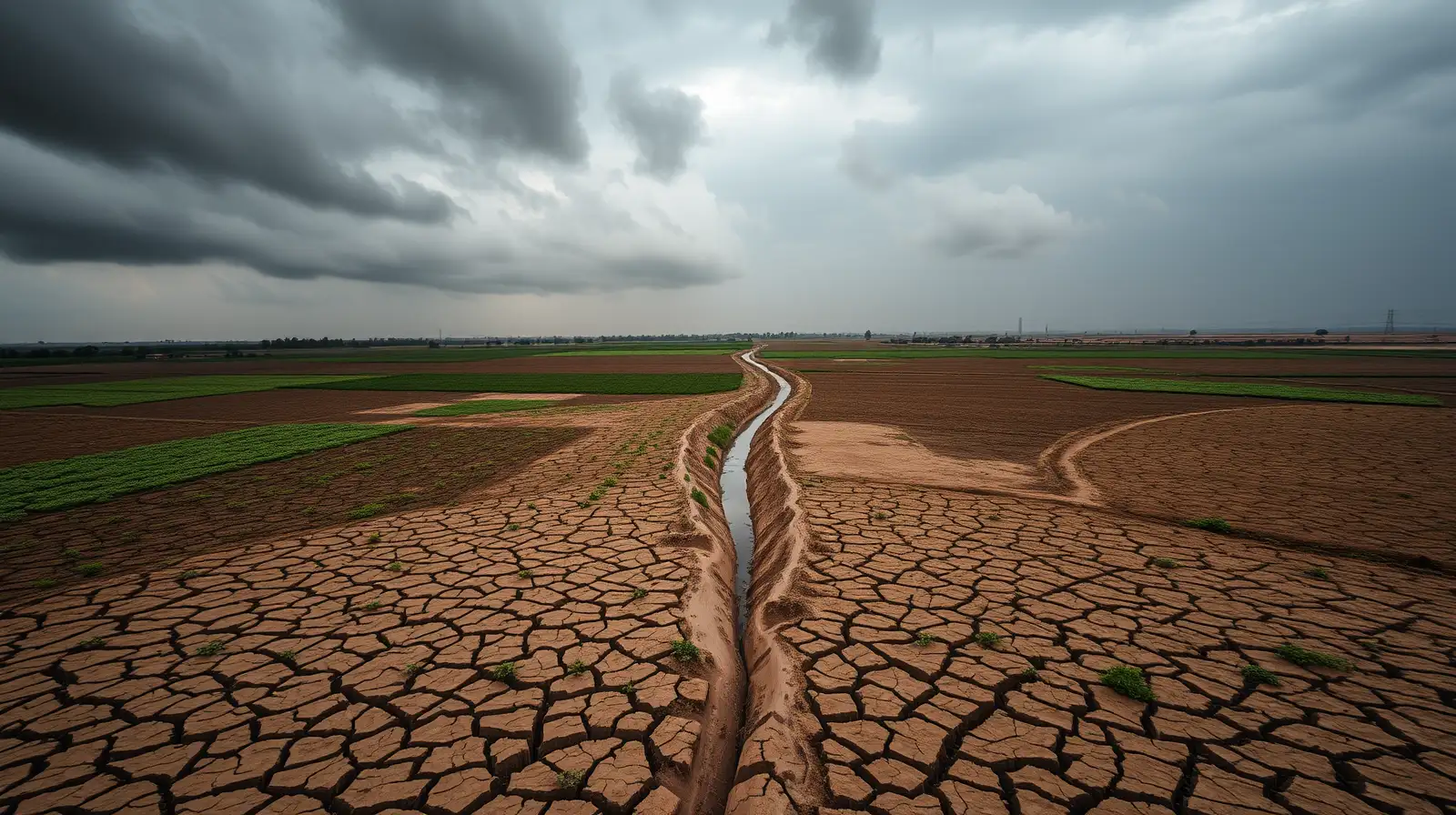
That has sharpened concern because the monsoon is not simply a weather event in India. It underpins crop planning, replenishes groundwater, fills reservoirs and supports rural consumption. A poor or delayed monsoon can quickly spill over into the wider economy through lower farm output, weaker incomes and higher food prices.
The season typically begins over Kerala around the start of June before advancing northwards across the country. This year’s onset was delayed, and the slow progress of rains has left policymakers and farmers watching the skies with unusual caution.
For many farming households, timely rainfall determines everything from sowing schedules to fertiliser use and eventual yields. If rains are delayed or uneven, farmers may have to postpone planting, switch crops, or reduce acreage. That in turn can affect production levels and market prices later in the year.
The monsoon’s role extends well beyond agriculture. It helps recharge rivers, ponds, lakes and dams, all of which are essential for drinking water, irrigation and industrial use. In a country with a population of more than 1.4 billion, even a moderate seasonal shortfall can place significant pressure on water management.
The response includes efforts to repair and strengthen reservoirs, ponds, dams and local water channels so that available supplies can be stored and used more efficiently. Such steps are particularly important in a year when the weather outlook remains uncertain and regional rainfall patterns may turn erratic.
The strategy is aimed not only at protecting standing crops but also at ensuring water availability if rainfall remains patchy through the core monsoon weeks. For a country where both farming and urban water systems are heavily linked to seasonal rain, preventive action at this stage could prove crucial.
The arrival of rain in the financial capital brought temporary comfort, but it has not erased broader concerns. Water restrictions had already been imposed in parts of the city, including limits on supply for swimming pools and construction activity. The fact that a major urban centre had to move towards conservation measures even before the monsoon gathered pace underlines how fragile the situation has become.
The city’s experience also reflects a wider reality. In many parts of India, the issue is no longer just whether rain arrives, but when it arrives, how much falls and how evenly it is distributed.
Weather agencies have warned that the current El Nino phase could strengthen during the second half of the year, increasing the risk of a poor monsoon. That has revived memories of past weak rainfall years, when crop output suffered and food prices rose sharply.
At the same time, climate change is making weather behaviour harder to predict. India has experienced more frequent heatwaves, irregular rain patterns and shifting seasonal trends in recent years. That means the monsoon is becoming less reliable not only in terms of volume, but also in timing and geographic spread.
This creates a more difficult environment for both policymakers and farmers. Traditional crop calendars and planning cycles become harder to follow when rainfall patterns change unexpectedly, and local infrastructure often struggles to cope with both extremes — prolonged dry spells and sudden intense downpours.
That, in turn, may influence food inflation, a politically and economically sensitive issue in India. Lower output of cereals, pulses, oilseeds or sugar crops can tighten supplies and push up retail prices. Rural demand may also soften if farm incomes take a hit, affecting everything from consumer spending to input purchases.
The broader economic implications are equally significant. India’s growth story remains closely tied to rural activity, farm output and consumption patterns linked to the monsoon. A weak season does not automatically translate into a crisis, but it increases pressure on the government to respond quickly and manage risks before they spread.
For now, the focus remains on preparedness. With rainfall still underperforming and forecasts offering limited comfort, India is entering a crucial stretch of the monsoon season with a clear message from policymakers — conserve water, protect agriculture and prepare for a season that may test both resilience and planning.
Rainfall Deficit Raises Early Alarm
The southwest monsoon, which accounts for the bulk of India’s annual rainfall, has started the season on a weak note. According to the government, rainfall so far has been far below the long-period average, and forecasts suggest subdued precipitation may continue into early July.That has sharpened concern because the monsoon is not simply a weather event in India. It underpins crop planning, replenishes groundwater, fills reservoirs and supports rural consumption. A poor or delayed monsoon can quickly spill over into the wider economy through lower farm output, weaker incomes and higher food prices.
The season typically begins over Kerala around the start of June before advancing northwards across the country. This year’s onset was delayed, and the slow progress of rains has left policymakers and farmers watching the skies with unusual caution.
Why The Monsoon Matters So Deeply To India
India receives roughly 70 per cent of its annual rainfall during the monsoon months, making the season critical for both agriculture and water security. Large parts of the country remain dependent on rain-fed farming, particularly for kharif crops such as rice, cotton, maize, sugarcane and soybean.For many farming households, timely rainfall determines everything from sowing schedules to fertiliser use and eventual yields. If rains are delayed or uneven, farmers may have to postpone planting, switch crops, or reduce acreage. That in turn can affect production levels and market prices later in the year.
The monsoon’s role extends well beyond agriculture. It helps recharge rivers, ponds, lakes and dams, all of which are essential for drinking water, irrigation and industrial use. In a country with a population of more than 1.4 billion, even a moderate seasonal shortfall can place significant pressure on water management.
Government Focus Turns To Water Conservation
With the threat of a weak monsoon looming, the government has moved to prioritise water preservation and preparedness. Agriculture Minister Shivraj Singh Chouhan has said planning is under way with a focus on saving every possible drop of water, reflecting growing concern that the season may not deliver normal rainfall.The response includes efforts to repair and strengthen reservoirs, ponds, dams and local water channels so that available supplies can be stored and used more efficiently. Such steps are particularly important in a year when the weather outlook remains uncertain and regional rainfall patterns may turn erratic.
The strategy is aimed not only at protecting standing crops but also at ensuring water availability if rainfall remains patchy through the core monsoon weeks. For a country where both farming and urban water systems are heavily linked to seasonal rain, preventive action at this stage could prove crucial.
Mumbai Gets Relief, But Worries Persist
Even as the national picture remains worrying, parts of western India have begun to see some relief. Mumbai received its first significant showers after an extended spell of heat and humidity, offering respite to residents who had been coping with sweltering nights and water stress.The arrival of rain in the financial capital brought temporary comfort, but it has not erased broader concerns. Water restrictions had already been imposed in parts of the city, including limits on supply for swimming pools and construction activity. The fact that a major urban centre had to move towards conservation measures even before the monsoon gathered pace underlines how fragile the situation has become.
The city’s experience also reflects a wider reality. In many parts of India, the issue is no longer just whether rain arrives, but when it arrives, how much falls and how evenly it is distributed.
El Nino And Climate Change Add To The Pressure
The weak monsoon outlook is being shaped by a combination of global and local climate factors. One of the most closely watched is El Nino, the warming of Pacific Ocean surface temperatures that is often associated with below-normal rainfall in India.You may also like
- Stampede at Ranchi JSCA Stadium injures 3 during T20 final
- Ajit Doval meets Sergei Shoigu in New Delhi reaffirming partnership
- Indian government warns 315 districts could see reduced kharif rainfall
- Uttar Pradesh monsoon delayed, state faces 52% rainfall deficit
- Aliganj fire in Lucknow kills 15 as SIT inspects site
Weather agencies have warned that the current El Nino phase could strengthen during the second half of the year, increasing the risk of a poor monsoon. That has revived memories of past weak rainfall years, when crop output suffered and food prices rose sharply.
At the same time, climate change is making weather behaviour harder to predict. India has experienced more frequent heatwaves, irregular rain patterns and shifting seasonal trends in recent years. That means the monsoon is becoming less reliable not only in terms of volume, but also in timing and geographic spread.
This creates a more difficult environment for both policymakers and farmers. Traditional crop calendars and planning cycles become harder to follow when rainfall patterns change unexpectedly, and local infrastructure often struggles to cope with both extremes — prolonged dry spells and sudden intense downpours.
Risks To Crops, Inflation And Economic Growth
If rainfall remains weak over the coming weeks, the impact could stretch across several layers of the economy. The immediate concern would be sowing and crop development, especially in regions with limited irrigation coverage. A delayed or reduced planting season could eventually affect harvest volumes for key staples and cash crops.That, in turn, may influence food inflation, a politically and economically sensitive issue in India. Lower output of cereals, pulses, oilseeds or sugar crops can tighten supplies and push up retail prices. Rural demand may also soften if farm incomes take a hit, affecting everything from consumer spending to input purchases.
The broader economic implications are equally significant. India’s growth story remains closely tied to rural activity, farm output and consumption patterns linked to the monsoon. A weak season does not automatically translate into a crisis, but it increases pressure on the government to respond quickly and manage risks before they spread.
For now, the focus remains on preparedness. With rainfall still underperforming and forecasts offering limited comfort, India is entering a crucial stretch of the monsoon season with a clear message from policymakers — conserve water, protect agriculture and prepare for a season that may test both resilience and planning.






More from our partners


Loving Newspoint? Download the app now
