
India’s Earliest Strikes: From Railway Workers To Revolutionary Fasts That Reshaped A Nation’s Voice

India’s history of protest has roots not just in battles and slogans but also in silence, discipline and collective defiance. Strikes—whether by workers refusing to pick up tools or freedom fighters declining food—have long shaped the subcontinent’s political and social movements. From the relatively obscure railway workers’ stoppage in 1862 to Mahatma Gandhi’s globally resonant hunger strikes, India’s early strike culture evolved from workplace rights to tools of national transformation. Here’s how some of the first and most impactful strikes shaped India’s collective resistance. 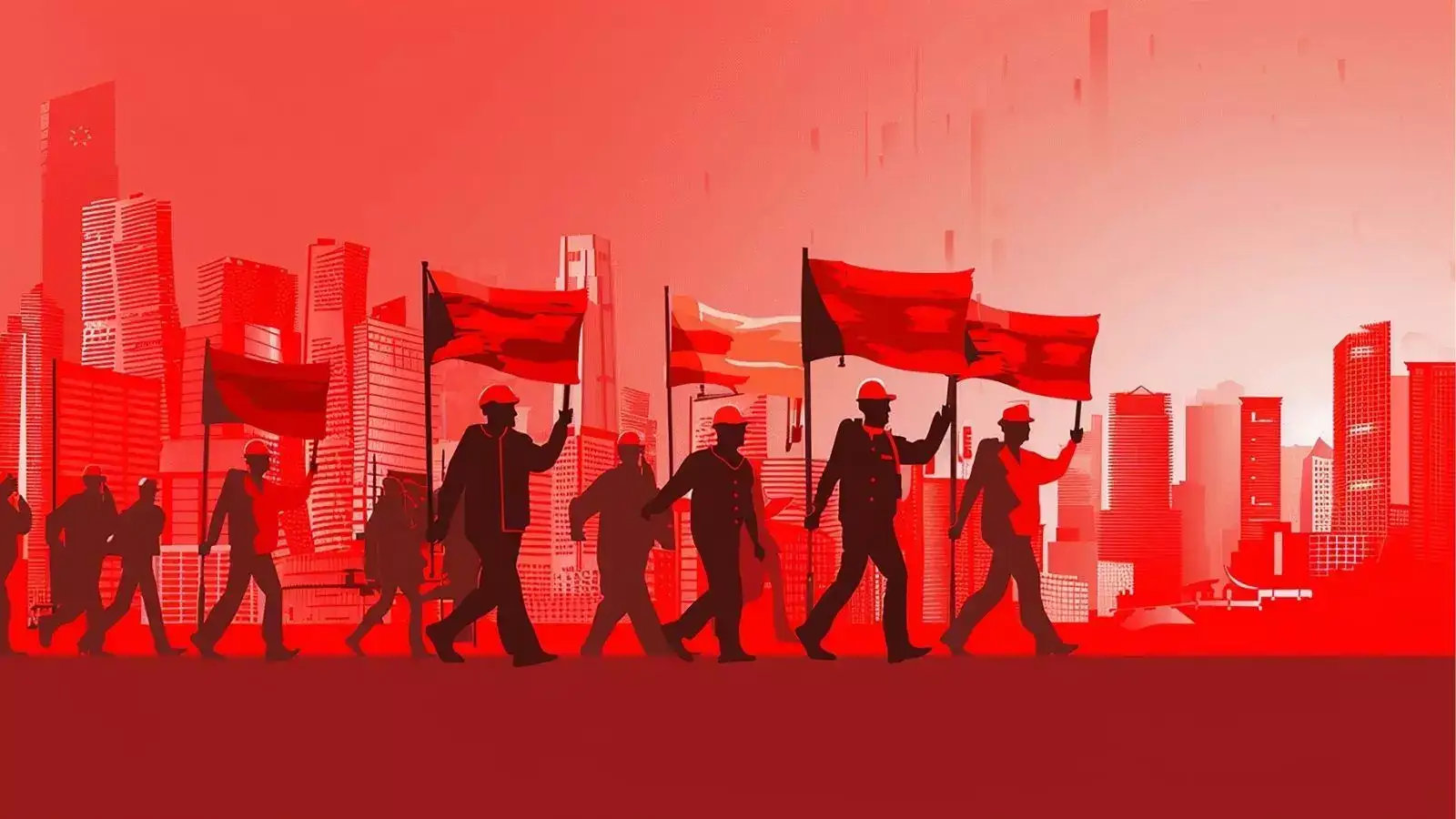 Representative Image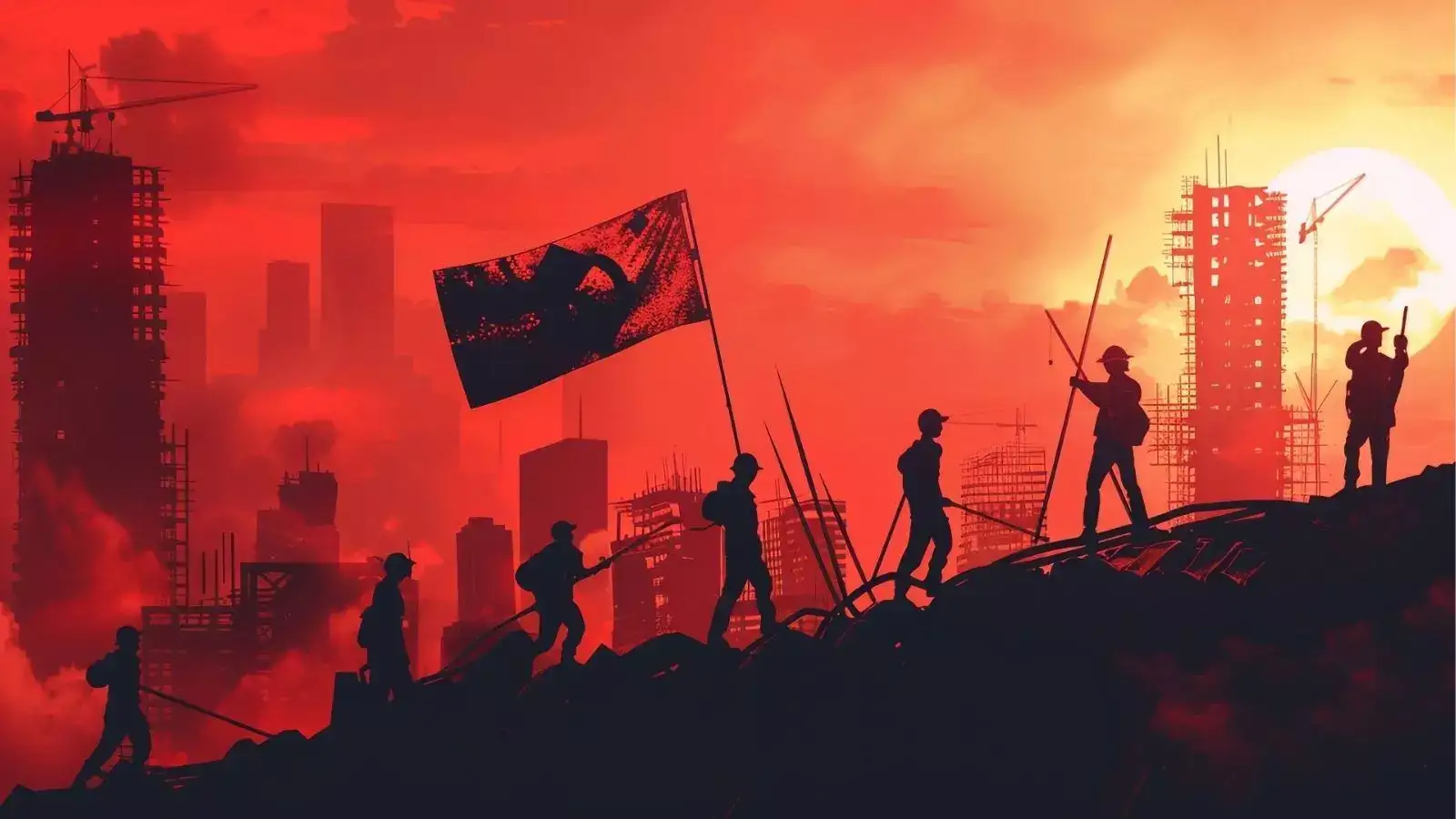
 Representative Image
According to labour historians, this strike set a precedent for workplace assertion, making it the first known instance of collective labour resistance in colonial India, though it remained confined to local and non-political grounds.
 Representative Image
Historians note that this was the first mass political general strike in India, where the working class formally entered the freedom struggle. As per expert analysis, it laid the groundwork for labour unions becoming integral to the independence movement over the next four decades.
According to historians, it was here that Gandhi’s satyagraha philosophy truly took form—not only as a means to challenge British rule, but also as a way to hold Indian institutions and individuals accountable. His later hunger strikes—during the Khilafat Movement (1919–1922), the Salt Satyagraha (1930), and most notably, during the Poona Pact agitation in 1932—became acts of moral resistance that stirred both national and international opinion.
Experts point out that these fasts were more than just abstentions from food—they were strategic, spiritual interventions intended to spotlight injustice, generate empathy, and apply non-violent pressure on adversaries.
The hunger strikes added a profound layer of personal suffering and ethical authority to the freedom struggle, reminding the world that Indian resistance was rooted in discipline, not destruction.
According to social and political historians, the symbolic power of self-denial introduced by Gandhi gave India’s freedom movement a moral high ground rarely seen in anti-colonial struggles globally. Representative Image
They serve as a reminder that no form of resistance is too small, and that even the quietest defiance—like refusing food—can sometimes echo the loudest.
The Howrah Railway Workers' Strike Of 1862: India’s First Organised Labour Action
Often overlooked in mainstream historical narratives, the strike by railway workers at Howrah in 1862 marks India’s first recorded industrial strike. These workers, employed under harsh colonial conditions, protested for better treatment and the institution of an 8-hour workday—remarkable demands for the time. Though the action remained limited in scale and failed to capture national attention, it was a landmark moment in the evolution of Indian labour consciousness.According to labour historians, this strike set a precedent for workplace assertion, making it the first known instance of collective labour resistance in colonial India, though it remained confined to local and non-political grounds.
The 1908 Bombay General Strike : Labour Joins The Nationalist Movement
The real turning point came in 1908, when over one lakh textile workers in Bombay staged a general strike to protest the arrest and trial of Bal Gangadhar Tilak. Unlike the 1862 event, this action had massive political overtones. The colonial government saw it not just as a labour stoppage but as part of a growing nationalist sentiment. The strike was not just about wages or hours—it was about identity, autonomy and India’s right to political expression.Historians note that this was the first mass political general strike in India, where the working class formally entered the freedom struggle. As per expert analysis, it laid the groundwork for labour unions becoming integral to the independence movement over the next four decades.
You may also like
- Not just Rekha Gupta and Arvind Kejriwal: LK Advani, Manish Sisodia issued notices in Delhi SIR
- Uttarakhand CM Dhami joins women in traditional Chachani dance during Badrinath visit
- Delhi SIR: Advani, Sisodia figure in list of voters with 'discrepancies'
- Heavy Rainfall Expected in Several Districts of Telangana Until September 22, IMD Warns
- '27,000 votes, 27 seats': Akhilesh lays out Samajwadi Party strategy to counter BJP in UP polls
Mahatma Gandhi’s Hunger Strikes: Passive Resistance Turned Personal Sacrifice
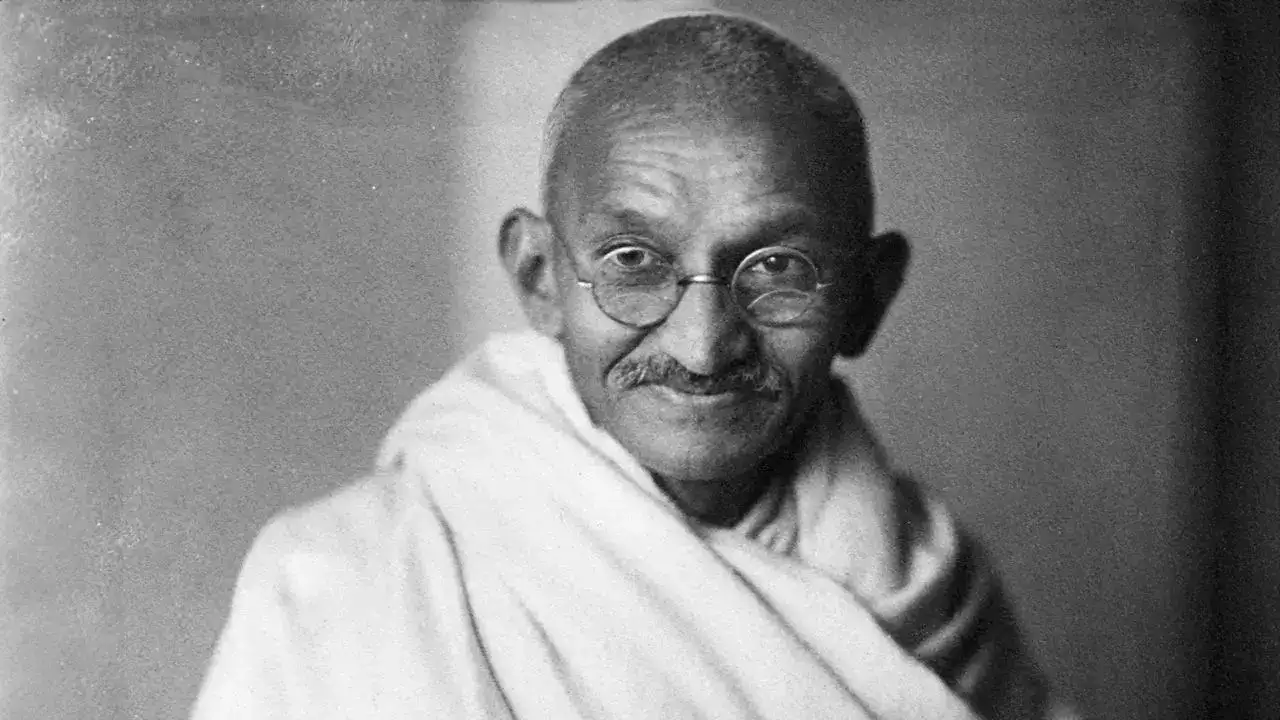
If industrial strikes involved the collective withdrawal of labour, Gandhiji’s hunger strikes were a withdrawal of sustenance to prick the conscience of both oppressors and followers. His first hunger strike took place in Ahmedabad in 1918, during a labour dispute at a cotton mill. Gandhi sided with the workers demanding a 35% wage hike and began fasting to support their cause.According to historians, it was here that Gandhi’s satyagraha philosophy truly took form—not only as a means to challenge British rule, but also as a way to hold Indian institutions and individuals accountable. His later hunger strikes—during the Khilafat Movement (1919–1922), the Salt Satyagraha (1930), and most notably, during the Poona Pact agitation in 1932—became acts of moral resistance that stirred both national and international opinion.
Experts point out that these fasts were more than just abstentions from food—they were strategic, spiritual interventions intended to spotlight injustice, generate empathy, and apply non-violent pressure on adversaries.
Hunger As A Weapon, Labour As A Force
What began as an isolated labour issue in 1862 would eventually intertwine with India’s broader aspirations for freedom and dignity. Strikes in India matured from being tools of economic negotiation to expressions of political resolve and social conscience.The hunger strikes added a profound layer of personal suffering and ethical authority to the freedom struggle, reminding the world that Indian resistance was rooted in discipline, not destruction.
According to social and political historians, the symbolic power of self-denial introduced by Gandhi gave India’s freedom movement a moral high ground rarely seen in anti-colonial struggles globally.
A Legacy That Still Resonates
Today, India’s strike culture continues to evolve. While the context may have changed, the legacy of those early strikes—whether carried out with placards, empty stomachs, or silent processions—continues to inform the language of protest and dissent in modern India.They serve as a reminder that no form of resistance is too small, and that even the quietest defiance—like refusing food—can sometimes echo the loudest.






Loving Newspoint? Download the app now
