
Is E20 Petrol Safe for Your Car? Here's What the ARAI Report Says

India's nationwide rollout of E20 petrol has come under renewed scrutiny after reports suggested that an unpublished study by the Automotive Research Association of India (ARAI) found that the higher ethanol blend could damage certain rubber fuel-system components in vehicles designed for E10 fuel. The findings have reignited concerns among vehicle owners, particularly those driving older petrol vehicles that were not originally engineered for E20 compatibility.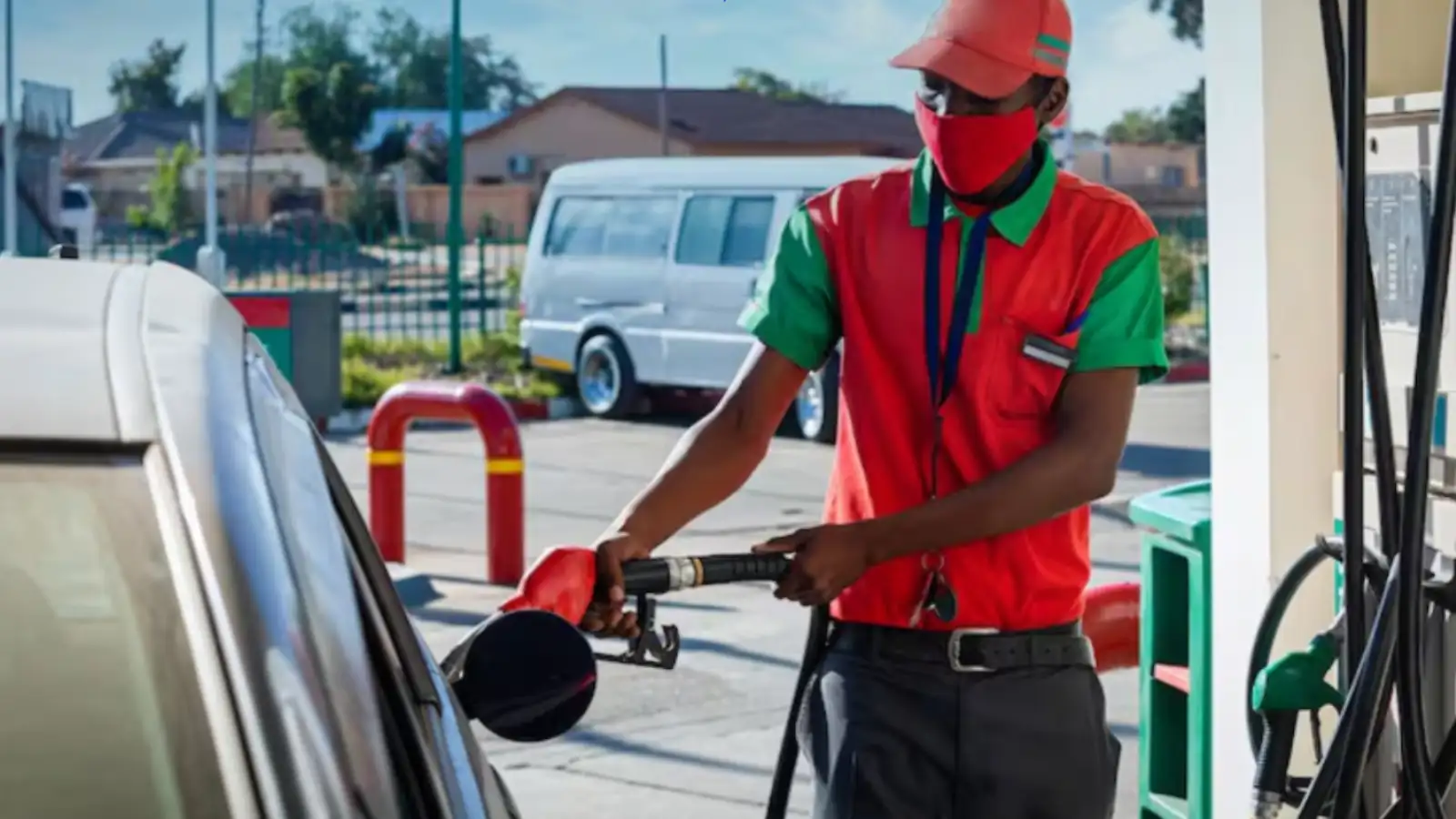
E20 petrol contains 20% ethanol blended with petrol, compared to E10 fuel, which contains 10% ethanol. The Indian government has been promoting ethanol-blended fuel as part of its strategy to reduce crude oil imports, lower carbon emissions, and support domestic ethanol production. India achieved nationwide availability of E20 petrol in April 2025, ahead of its original target.
According to the ARAI study, prolonged use of E20 petrol in vehicles designed for E10 fuel may lead to deterioration of rubber components such as fuel hoses, seals, gaskets, and O-rings. The report reportedly states that these parts "may need replacement" after extended exposure to the higher ethanol content. However, the study found no adverse impact on metallic fuel-system components, and emissions from E10-compatible vehicles running on E20 remained within prescribed regulatory limits.
The report also examined engine durability across multiple vehicle categories. During four-wheeler testing, one Bharat Stage-IV (BS-IV) engine reportedly performed satisfactorily on E20 fuel. However, a BS-VI turbocharged engine showed issues after 265 hours of durability testing. In another test conducted by two automobile manufacturers, one original equipment manufacturer (OEM) reported no durability issues after 400 hours of testing, while another recorded a thermomechanical failure of an exhaust valve after its engines collectively completed 809 hours of testing. Experts familiar with the findings cautioned that such failures could have resulted from factors other than the fuel itself, noting that comprehensive engine durability tests typically run for around 2,000 hours.
In contrast, the results for two-wheelers were more encouraging. Engine durability tests conducted by three manufacturers reportedly found no significant issues, with performance remaining acceptable when operating on E20 fuel.
The study also noted that vehicles running on E20 fuel consumed approximately 2% to 6% more fuel than those running on E10 petrol, although the exact increase varied depending on the vehicle model. This aligns with ethanol's lower energy content compared to conventional petrol, which can slightly reduce fuel economy.
Despite the report's findings, automobile manufacturers continue to maintain that modern E20-compatible vehicles are safe to operate on the higher ethanol blend. Industry representatives have pointed to years of testing and service data, stating that they have not observed widespread ethanol-related damage in compatible vehicles. At the same time, experts stress that owners of older E10-designed vehicles should follow manufacturer guidance regarding fuel compatibility and maintenance schedules.
While the ARAI report has not yet been officially published, its findings have contributed to the broader debate surrounding India's transition to cleaner fuels. As the country continues expanding its ethanol-blending programme, balancing environmental goals with long-term vehicle durability is expected to remain a key focus for policymakers, automakers, and consumers alike.
E20 petrol contains 20% ethanol blended with petrol, compared to E10 fuel, which contains 10% ethanol. The Indian government has been promoting ethanol-blended fuel as part of its strategy to reduce crude oil imports, lower carbon emissions, and support domestic ethanol production. India achieved nationwide availability of E20 petrol in April 2025, ahead of its original target.
According to the ARAI study, prolonged use of E20 petrol in vehicles designed for E10 fuel may lead to deterioration of rubber components such as fuel hoses, seals, gaskets, and O-rings. The report reportedly states that these parts "may need replacement" after extended exposure to the higher ethanol content. However, the study found no adverse impact on metallic fuel-system components, and emissions from E10-compatible vehicles running on E20 remained within prescribed regulatory limits.
You may also like
- 'Bengal becoming UP 2.0': Mahua Moitra reacts after Baruipur rape-murder accused shot dead
- Uttarakhand forms 3 member panel to probe Badrinath donations
- NCERT updates Class 8 'Citizenship' chapter to include financial discrimination
- Police arrest 2 Muzaffarnagar men accused of Pakistan ISI links
- NCERT revises Class 8 history textbook on Partition, VD Savarkar
The report also examined engine durability across multiple vehicle categories. During four-wheeler testing, one Bharat Stage-IV (BS-IV) engine reportedly performed satisfactorily on E20 fuel. However, a BS-VI turbocharged engine showed issues after 265 hours of durability testing. In another test conducted by two automobile manufacturers, one original equipment manufacturer (OEM) reported no durability issues after 400 hours of testing, while another recorded a thermomechanical failure of an exhaust valve after its engines collectively completed 809 hours of testing. Experts familiar with the findings cautioned that such failures could have resulted from factors other than the fuel itself, noting that comprehensive engine durability tests typically run for around 2,000 hours.
In contrast, the results for two-wheelers were more encouraging. Engine durability tests conducted by three manufacturers reportedly found no significant issues, with performance remaining acceptable when operating on E20 fuel.
The study also noted that vehicles running on E20 fuel consumed approximately 2% to 6% more fuel than those running on E10 petrol, although the exact increase varied depending on the vehicle model. This aligns with ethanol's lower energy content compared to conventional petrol, which can slightly reduce fuel economy.
Despite the report's findings, automobile manufacturers continue to maintain that modern E20-compatible vehicles are safe to operate on the higher ethanol blend. Industry representatives have pointed to years of testing and service data, stating that they have not observed widespread ethanol-related damage in compatible vehicles. At the same time, experts stress that owners of older E10-designed vehicles should follow manufacturer guidance regarding fuel compatibility and maintenance schedules.
While the ARAI report has not yet been officially published, its findings have contributed to the broader debate surrounding India's transition to cleaner fuels. As the country continues expanding its ethanol-blending programme, balancing environmental goals with long-term vehicle durability is expected to remain a key focus for policymakers, automakers, and consumers alike.






Loving Newspoint? Download the app now
