
Karnataka Government Scraps 2022 Hijab Ban, Allows Religious Symbols in Schools

The Karnataka government’s decision to withdraw Government Order No. 14, dated February 5, 2022, marks the end of a long-standing legal and social standoff. School Education Minister Madhu Bangarappa and Health Minister Dinesh Gundu Rao announced the revocation during a joint press conference in Bengaluru, stating that the previous ban had severely impacted women's access to education. The revised policy, which comes into immediate effect, is grounded in the Karnataka Education Act, 1983, and seeks to align institutional discipline with constitutional values like equality, secularism, and fraternity.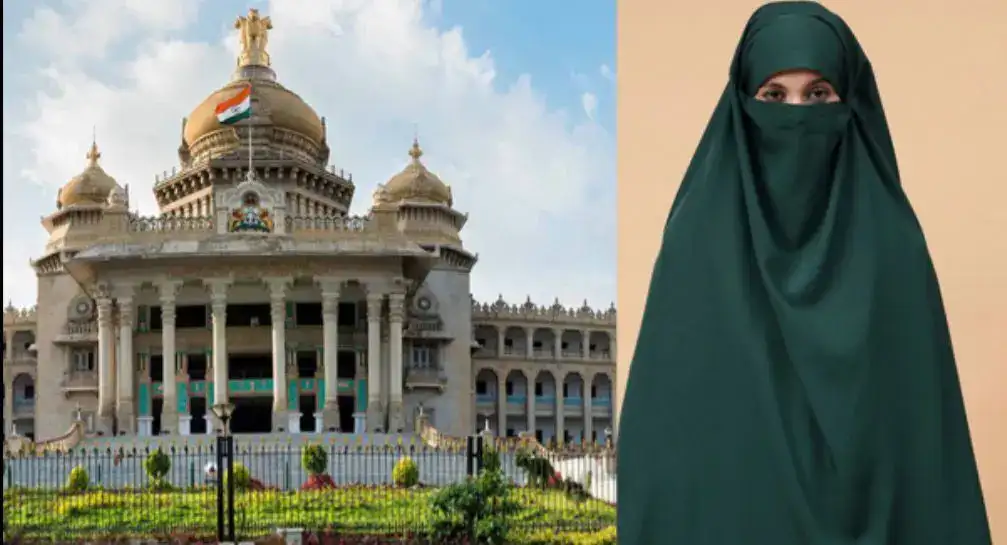
Under the new guidelines, while uniforms remain compulsory in all government, aided, and private schools as well as pre-university colleges, students are now permitted to wear "limited traditional and customary symbols." The government has explicitly listed permissible items, which include:
The reversal follows the Congress party’s 2023 assembly election pledge to review and withdraw the hijab restrictions imposed by the previous BJP administration. The 2022 ban had triggered massive protests and legal battles, eventually reaching the Karnataka High Court, which had upheld the restriction at the time. Political observers note that the timing of this revocation is also linked to recent controversies involving the removal of sacred threads during examinations, which prompted the government to establish a neutral policy that protects the traditions of all communities simultaneously.
Human rights groups and education activists have welcomed the move, citing reports that the 2022 ban led to thousands of Muslim girl students dropping out or transferring to private, non-uniformed institutions. By mandating that "no student should be denied entry to any educational institution for wearing permitted symbols," the government aims to bring these students back into the mainstream formal education system. The order further states that no student can be compelled to wear or remove these symbols, ensuring personal autonomy.
As expected, the move has reignited political debate in the state. The BJP has criticized the decision as "appeasement politics" and argued that it undermines the sense of uniformity in schools. Conversely, Chief Minister Siddaramaiah has defended the policy as a step toward "scientific temper and rationality," ensuring that religious practices do not become a barrier to fundamental rights. The Commissioner of School Education has been directed to issue immediate instructions to all institutions to ensure the transition is smooth for the 2026-27 academic session.
A Return to Religious Diversity in Classrooms
Under the new guidelines, while uniforms remain compulsory in all government, aided, and private schools as well as pre-university colleges, students are now permitted to wear "limited traditional and customary symbols." The government has explicitly listed permissible items, which include:
- Hijabs and Headscarves
- Turbans and Petas (traditional headgear)
- Sacred Threads (Janivara/Janeu/Pavitra Dara)
- Rudraksha and Shivadhara beads
Fulfilling an Electoral Promise
The reversal follows the Congress party’s 2023 assembly election pledge to review and withdraw the hijab restrictions imposed by the previous BJP administration. The 2022 ban had triggered massive protests and legal battles, eventually reaching the Karnataka High Court, which had upheld the restriction at the time. Political observers note that the timing of this revocation is also linked to recent controversies involving the removal of sacred threads during examinations, which prompted the government to establish a neutral policy that protects the traditions of all communities simultaneously.
Impact on Student Enrollment
Human rights groups and education activists have welcomed the move, citing reports that the 2022 ban led to thousands of Muslim girl students dropping out or transferring to private, non-uniformed institutions. By mandating that "no student should be denied entry to any educational institution for wearing permitted symbols," the government aims to bring these students back into the mainstream formal education system. The order further states that no student can be compelled to wear or remove these symbols, ensuring personal autonomy.
Political Reactions and Implementation
As expected, the move has reignited political debate in the state. The BJP has criticized the decision as "appeasement politics" and argued that it undermines the sense of uniformity in schools. Conversely, Chief Minister Siddaramaiah has defended the policy as a step toward "scientific temper and rationality," ensuring that religious practices do not become a barrier to fundamental rights. The Commissioner of School Education has been directed to issue immediate instructions to all institutions to ensure the transition is smooth for the 2026-27 academic session.
Next Story