
LPG Cylinder Booking Rules May Soon Get an Update: Here's What Users Should Know

Cooking gas users across India could soon have a more practical option as state-owned oil marketing companies prepare to expand the availability of 10kg LPG cylinders for both domestic and commercial customers. The move is aimed at addressing long-standing concerns over the weight and handling of existing commercial cylinders, particularly among small enterprises and people living in rented accommodation.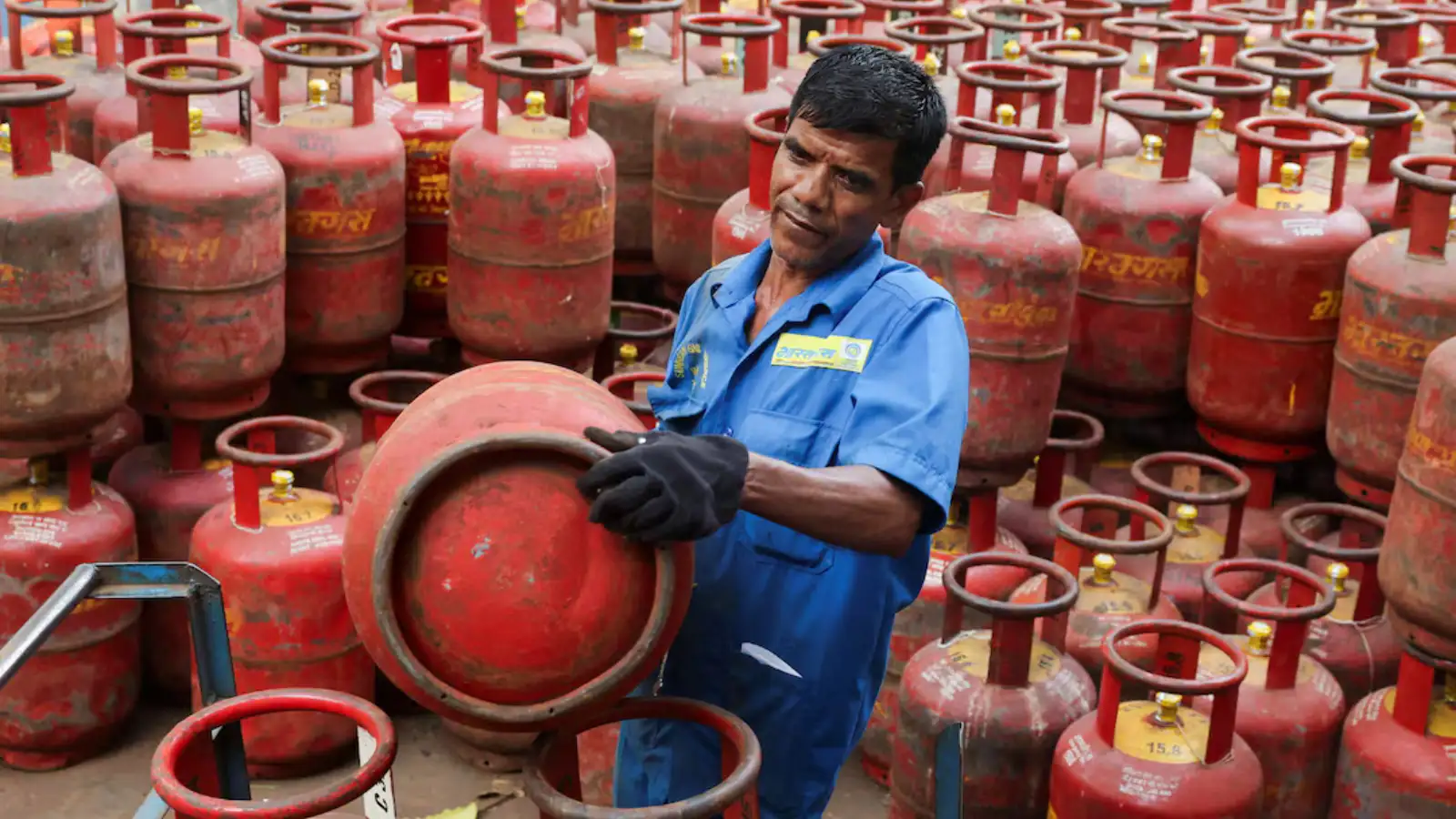
The proposal is expected to benefit tea stalls, cafés, food carts, street vendors, students, migrant workers and professionals who require smaller quantities of cooking gas without the inconvenience of transporting bulky cylinders. If approved, the initiative could reshape how LPG reaches millions of users with modest fuel requirements.
Owners of roadside food stalls, neighbourhood cafés and small kitchens often need to move cylinders regularly or carry them into confined spaces. For many, the existing 19kg commercial LPG cylinder has proved impractical, leading to growing demand for a lighter alternative.
The proposed 10kg option is intended to bridge the gap between the smaller commercial cylinders and the standard 19kg model, offering enough fuel capacity without becoming difficult to transport.
Its lighter construction is expected to make daily handling simpler for shopkeepers, delivery personnel and households alike. Carrying the cylinder upstairs or placing it in compact kitchens could become considerably less demanding than with conventional models.
Another notable feature is its transparent outer body, allowing users to see the remaining gas level without relying on an external gauge. This visibility can help households and businesses plan refills before the cylinder runs empty, reducing the chances of unexpected interruptions.
The proposal is expected to benefit tea stalls, cafés, food carts, street vendors, students, migrant workers and professionals who require smaller quantities of cooking gas without the inconvenience of transporting bulky cylinders. If approved, the initiative could reshape how LPG reaches millions of users with modest fuel requirements.
A practical answer to a common problem
Commercial LPG is currently supplied in 19kg, 5kg and 2kg variants. While the larger cylinder meets the needs of restaurants and businesses with high fuel consumption, many smaller establishments have found it difficult to manage because of its weight and size.Owners of roadside food stalls, neighbourhood cafés and small kitchens often need to move cylinders regularly or carry them into confined spaces. For many, the existing 19kg commercial LPG cylinder has proved impractical, leading to growing demand for a lighter alternative.
The proposed 10kg option is intended to bridge the gap between the smaller commercial cylinders and the standard 19kg model, offering enough fuel capacity without becoming difficult to transport.
Lightweight design built for everyday convenience
The new composite LPG cylinder has been developed using high-density polyethylene (HDPE) technology rather than traditional steel construction. This manufacturing process reduces the cylinder's weight by around half, making it significantly easier to lift, transport and store.Its lighter construction is expected to make daily handling simpler for shopkeepers, delivery personnel and households alike. Carrying the cylinder upstairs or placing it in compact kitchens could become considerably less demanding than with conventional models.
Another notable feature is its transparent outer body, allowing users to see the remaining gas level without relying on an external gauge. This visibility can help households and businesses plan refills before the cylinder runs empty, reducing the chances of unexpected interruptions.
Domestic rollout has already begun on a limited scale
Although the proposed commercial launch is still under consideration, lightweight composite cylinders are already available to some domestic consumers in selected markets.Next Story