
LPG Supply Alert! Centre Issues Key Directive To State-Owned Oil Companies

India is taking proactive steps to protect domestic fuel supplies amid increasing volatility in international energy markets. With geopolitical tensions once again influencing global oil prices, authorities have instructed state-owned oil companies to strengthen their preparedness by maintaining larger stocks of liquefied petroleum gas (LPG).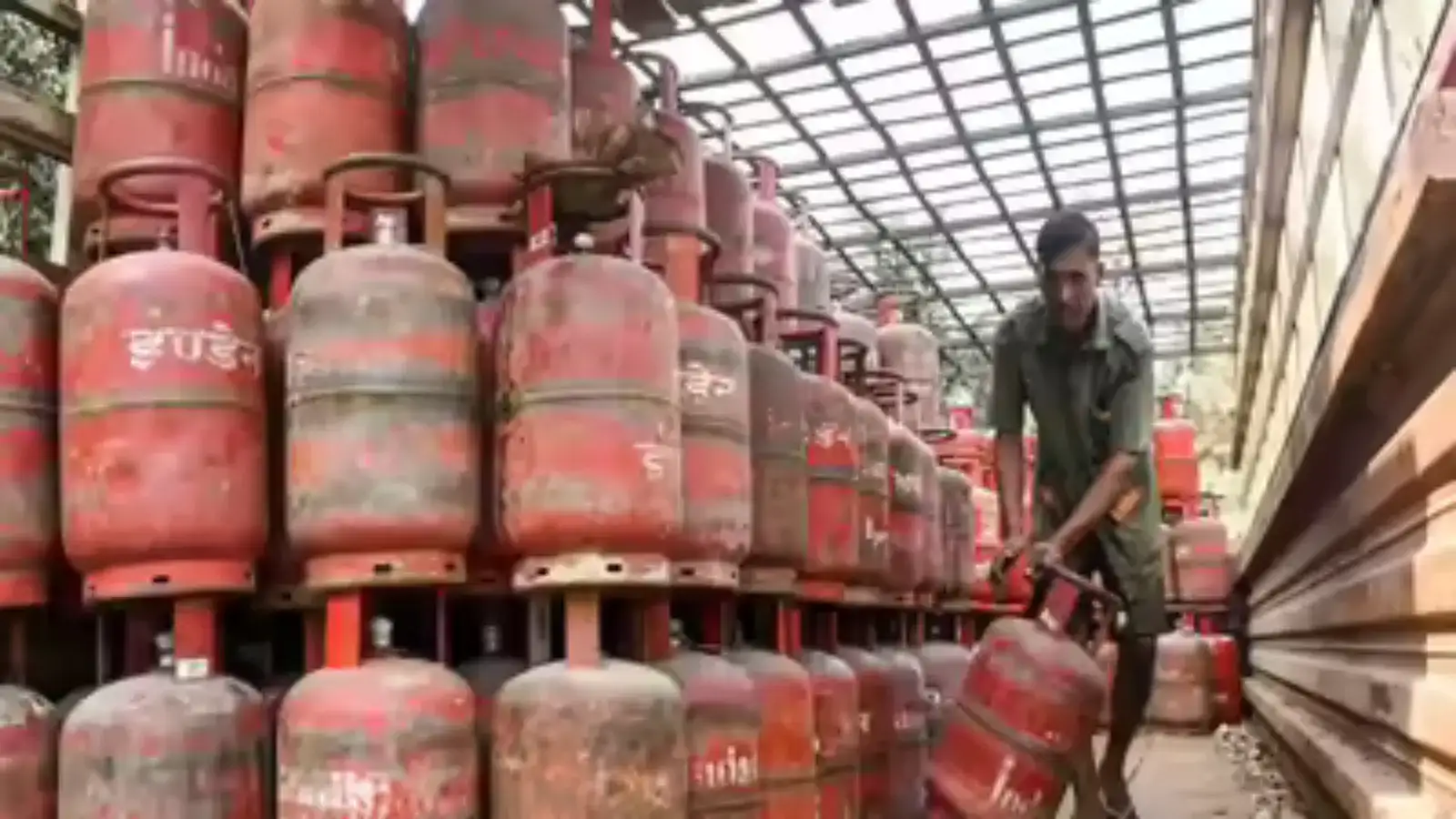
The move reflects growing concern over potential disruptions in global energy flows and aims to ensure uninterrupted fuel availability for households and businesses. At the same time, policymakers are also reviewing crude oil reserves as part of a broader strategy to enhance energy security.
Officials overseeing the sector have indicated that reserve-building efforts are already underway. The objective is to create a stronger buffer against potential supply disruptions while ensuring that consumers continue to receive LPG without interruption.
The government has also been assessing crude oil stock levels, recognising that both LPG and crude oil remain critical components of India's energy ecosystem.
Several refineries have undertaken operational improvements aimed at increasing LPG output. These efforts include refining process adjustments and better utilisation of hydrocarbon components that contribute to LPG production.
The reopening of certain refining facilities has further improved supply conditions. Alongside this, optimisation programmes implemented across multiple refineries have helped increase the volume of LPG available within the domestic market.
These measures are expected to strengthen the country's ability to manage fluctuations in both demand and international supply conditions.
Energy experts note that LPG consumption naturally fluctuates during different periods of the year due to changing weather conditions, household requirements and commercial usage patterns.
While lower demand can temporarily ease supply concerns, authorities continue to focus on maintaining adequate inventories to prepare for any unexpected market developments.
As global benchmarks have climbed sharply in recent months, oil marketing companies have experienced growing financial pressure. Higher import costs have increased the burden on fuel retailers, impacting profitability across the sector.
Officials have acknowledged that the sharp rise in crude oil prices is creating substantial daily losses for companies involved in petrol and diesel distribution. This situation has intensified concerns about fuel pricing and long-term market stability.
Recent revisions have pushed petrol and diesel prices higher, adding to transportation and logistics expenses across the economy. Industry observers believe fuel pricing will remain closely linked to international crude oil movements in the coming months.
Government figures indicate that the average cost of imported crude oil has increased significantly compared with levels seen earlier in the year, underscoring the extent of the pressure facing the energy sector.
State governments have been encouraged to establish dedicated teams to prevent practices such as fuel hoarding, illegal storage and black marketing. Officials believe strict enforcement will be essential in ensuring that fuel supplies remain available through legitimate distribution channels.
The emphasis on oversight comes as policymakers seek to avoid artificial shortages and maintain consumer confidence during a period of heightened global uncertainty.
India's decision to build stronger LPG reserves highlights the growing importance of energy preparedness in an increasingly unpredictable global environment. While domestic production improvements and strategic stockpiling offer a degree of protection, developments in international crude oil markets will continue to play a major role in shaping the country's fuel landscape in the months ahead.
The move reflects growing concern over potential disruptions in global energy flows and aims to ensure uninterrupted fuel availability for households and businesses. At the same time, policymakers are also reviewing crude oil reserves as part of a broader strategy to enhance energy security.
Oil Companies Asked To Maintain Larger LPG Inventories
To minimise risks arising from international developments, oil marketing firms have been directed to maintain LPG stocks sufficient for at least 30 days of demand.Officials overseeing the sector have indicated that reserve-building efforts are already underway. The objective is to create a stronger buffer against potential supply disruptions while ensuring that consumers continue to receive LPG without interruption.
The government has also been assessing crude oil stock levels, recognising that both LPG and crude oil remain critical components of India's energy ecosystem.
Refinery Optimisation Helping Increase LPG Availability
Industry officials believe that domestic production capabilities can play an important role in meeting future demand requirements.Several refineries have undertaken operational improvements aimed at increasing LPG output. These efforts include refining process adjustments and better utilisation of hydrocarbon components that contribute to LPG production.
The reopening of certain refining facilities has further improved supply conditions. Alongside this, optimisation programmes implemented across multiple refineries have helped increase the volume of LPG available within the domestic market.
These measures are expected to strengthen the country's ability to manage fluctuations in both demand and international supply conditions.
Demand Patterns Continue To Shift
The LPG market is also experiencing seasonal changes in consumption patterns. Industry data suggests that daily demand has moderated compared with previous levels, easing some pressure on supply networks.Energy experts note that LPG consumption naturally fluctuates during different periods of the year due to changing weather conditions, household requirements and commercial usage patterns.
While lower demand can temporarily ease supply concerns, authorities continue to focus on maintaining adequate inventories to prepare for any unexpected market developments.
Rising Crude Oil Prices Add To Industry Challenges
The broader challenge facing the energy sector comes from rising international crude oil prices.As global benchmarks have climbed sharply in recent months, oil marketing companies have experienced growing financial pressure. Higher import costs have increased the burden on fuel retailers, impacting profitability across the sector.
Officials have acknowledged that the sharp rise in crude oil prices is creating substantial daily losses for companies involved in petrol and diesel distribution. This situation has intensified concerns about fuel pricing and long-term market stability.
Fuel Prices Continue To Move Higher
Consumers have already witnessed a series of fuel price increases as companies attempt to respond to elevated crude oil costs.Recent revisions have pushed petrol and diesel prices higher, adding to transportation and logistics expenses across the economy. Industry observers believe fuel pricing will remain closely linked to international crude oil movements in the coming months.
Government figures indicate that the average cost of imported crude oil has increased significantly compared with levels seen earlier in the year, underscoring the extent of the pressure facing the energy sector.
Crackdown Planned Against Hoarding And Black Marketing
Alongside efforts to strengthen fuel reserves, authorities are also focusing on market monitoring and enforcement.State governments have been encouraged to establish dedicated teams to prevent practices such as fuel hoarding, illegal storage and black marketing. Officials believe strict enforcement will be essential in ensuring that fuel supplies remain available through legitimate distribution channels.
The emphasis on oversight comes as policymakers seek to avoid artificial shortages and maintain consumer confidence during a period of heightened global uncertainty.
India's decision to build stronger LPG reserves highlights the growing importance of energy preparedness in an increasingly unpredictable global environment. While domestic production improvements and strategic stockpiling offer a degree of protection, developments in international crude oil markets will continue to play a major role in shaping the country's fuel landscape in the months ahead.
Next Story