
'May Die in 2 Days': Sonam Wangchuk's Hunger Strike Turns Critical

The Delhi High Court on Wednesday took up an urgent Public Interest Litigation (PIL) seeking immediate medical intervention for environmental activist and education reformer Sonam Wangchuk, whose indefinite hunger strike has entered a critical phase. The petition warns that Wangchuk's health has deteriorated significantly and claims he could face life-threatening complications within the next two days if urgent treatment is not provided.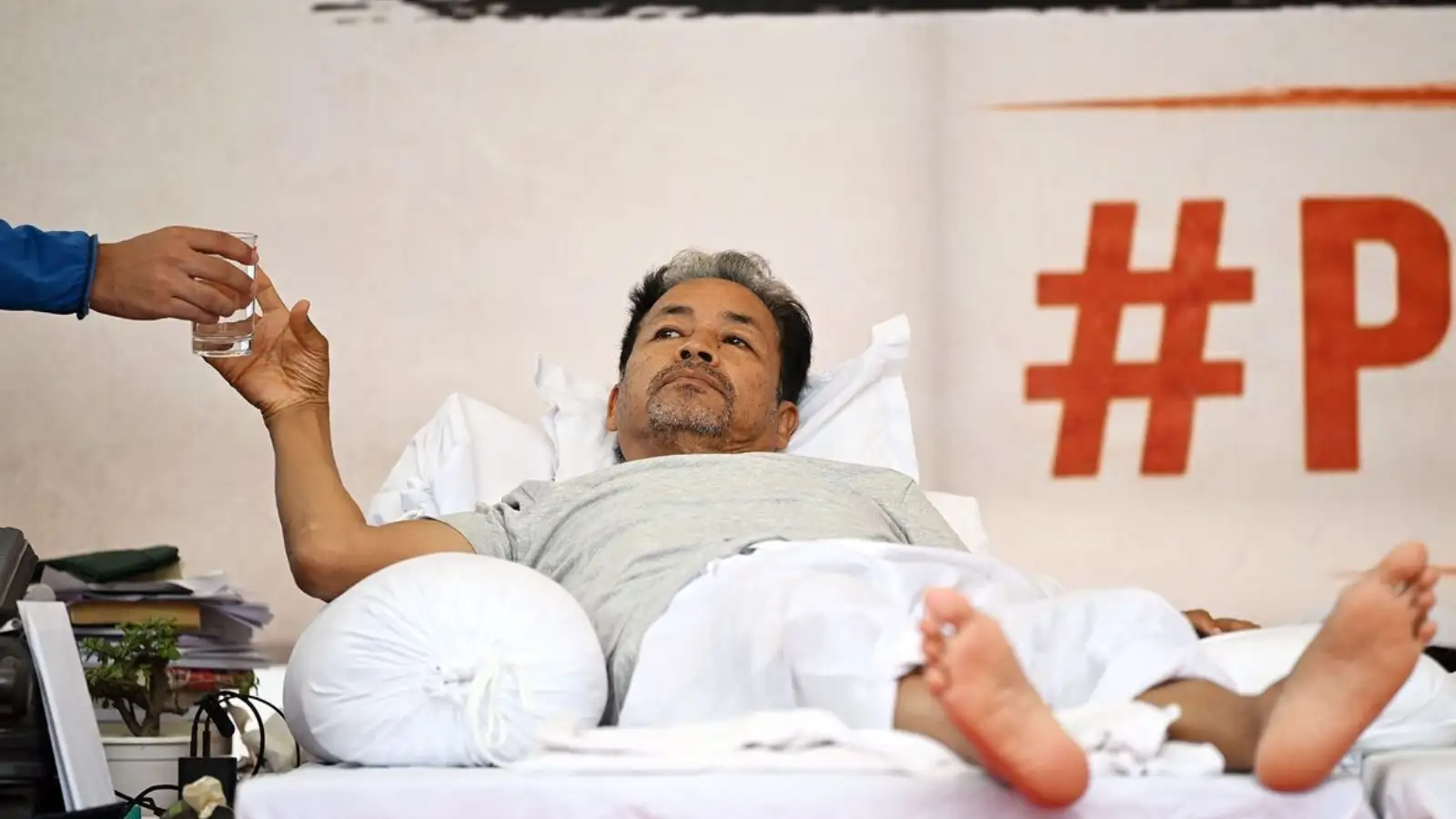
The plea requests the court to direct the Central Government and the Delhi Government to shift Wangchuk to a government hospital and, if medically necessary, permit force-feeding to preserve his life. The case has reignited debate over the balance between an individual's right to protest and the state's responsibility to protect life.
The petitioner argued that while Wangchuk has every constitutional right to stage a peaceful protest, authorities also have a legal obligation to ensure that his life is not endangered. The plea therefore sought immediate medical examination, continuous monitoring and, if required, medically supervised force-feeding to prevent irreversible harm.
The court is expected to examine whether adequate healthcare measures are in place while also considering the legal and ethical implications of any forced medical intervention. The matter remains under judicial consideration, and no final order directing force-feeding has been passed so far.
Despite repeated appeals from political leaders, supporters and well-wishers urging him to end his fast, Wangchuk has remained firm in continuing his protest. He has maintained that his movement is aimed at drawing attention to issues affecting students and demands accountability over alleged examination irregularities.
The plea requests the court to direct the Central Government and the Delhi Government to shift Wangchuk to a government hospital and, if medically necessary, permit force-feeding to preserve his life. The case has reignited debate over the balance between an individual's right to protest and the state's responsibility to protect life.
Why the PIL Was Filed
The PIL was filed amid growing concerns over Wangchuk's deteriorating physical condition after more than two weeks of fasting at Delhi's Jantar Mantar. According to the petition, the activist has reportedly lost around 8.5 kilograms, is suffering from muscle loss, and his condition has become increasingly fragile.You may also like
- EC ready for 'One Nation One Election' with 6-month notice: Par panel chief
- Red Fort to remain closed to public from July 15 to Aug 15
- Delhi's 87-year-old Kerala Club faces eviction battle over Connaught Place premises
- Rahul Gandhi gets relief in Sultanpur defamation case, notice in another case
- 4-month-old undergoes rare lung-sparing surgery, recovers in just two days
The petitioner argued that while Wangchuk has every constitutional right to stage a peaceful protest, authorities also have a legal obligation to ensure that his life is not endangered. The plea therefore sought immediate medical examination, continuous monitoring and, if required, medically supervised force-feeding to prevent irreversible harm.
Delhi High Court Seeks Government's Response
During the hearing, the Delhi High Court acknowledged the urgency of the matter and sought responses from both the Centre and the Delhi Government regarding Wangchuk's health condition and the medical assistance being provided to him.The court is expected to examine whether adequate healthcare measures are in place while also considering the legal and ethical implications of any forced medical intervention. The matter remains under judicial consideration, and no final order directing force-feeding has been passed so far.
Health Concerns Intensify
Medical concerns surrounding Wangchuk have grown steadily over the past several days. Reports indicate that he has become visibly weaker, with supporters claiming that prolonged fasting has resulted in significant muscle wastage and physical exhaustion.Despite repeated appeals from political leaders, supporters and well-wishers urging him to end his fast, Wangchuk has remained firm in continuing his protest. He has maintained that his movement is aimed at drawing attention to issues affecting students and demands accountability over alleged examination irregularities.
Supporters Continue Protest
The activist's hunger strike has drawn widespread public attention. Civil society groups and supporters have announced solidarity programmes, including additional hunger strikes and demonstrations near Jantar Mantar. Several organisations have also appealed to the government to engage in dialogue and address the concerns raised by the protest rather than allowing the health crisis to worsen.





Loving Newspoint? Download the app now
