
'NEET Is Not The Issue, AI Is': Ram Gopal Varma's Viral Take After Dharmendra Pradhan's Resignation

Filmmaker Ram Gopal Varma has once again found himself at the centre of a social media debate after reacting to the ongoing NEET controversy and the resignation of former Union Education Minister Dharmendra Pradhan. In a series of provocative posts, Varma questioned the very purpose of preparing for examinations like NEET , arguing that the rapid advancement of artificial intelligence ( AI ) is making traditional education increasingly obsolete. His remarks came shortly after Pradhan stepped down following nationwide protests over the NEET examination crisis.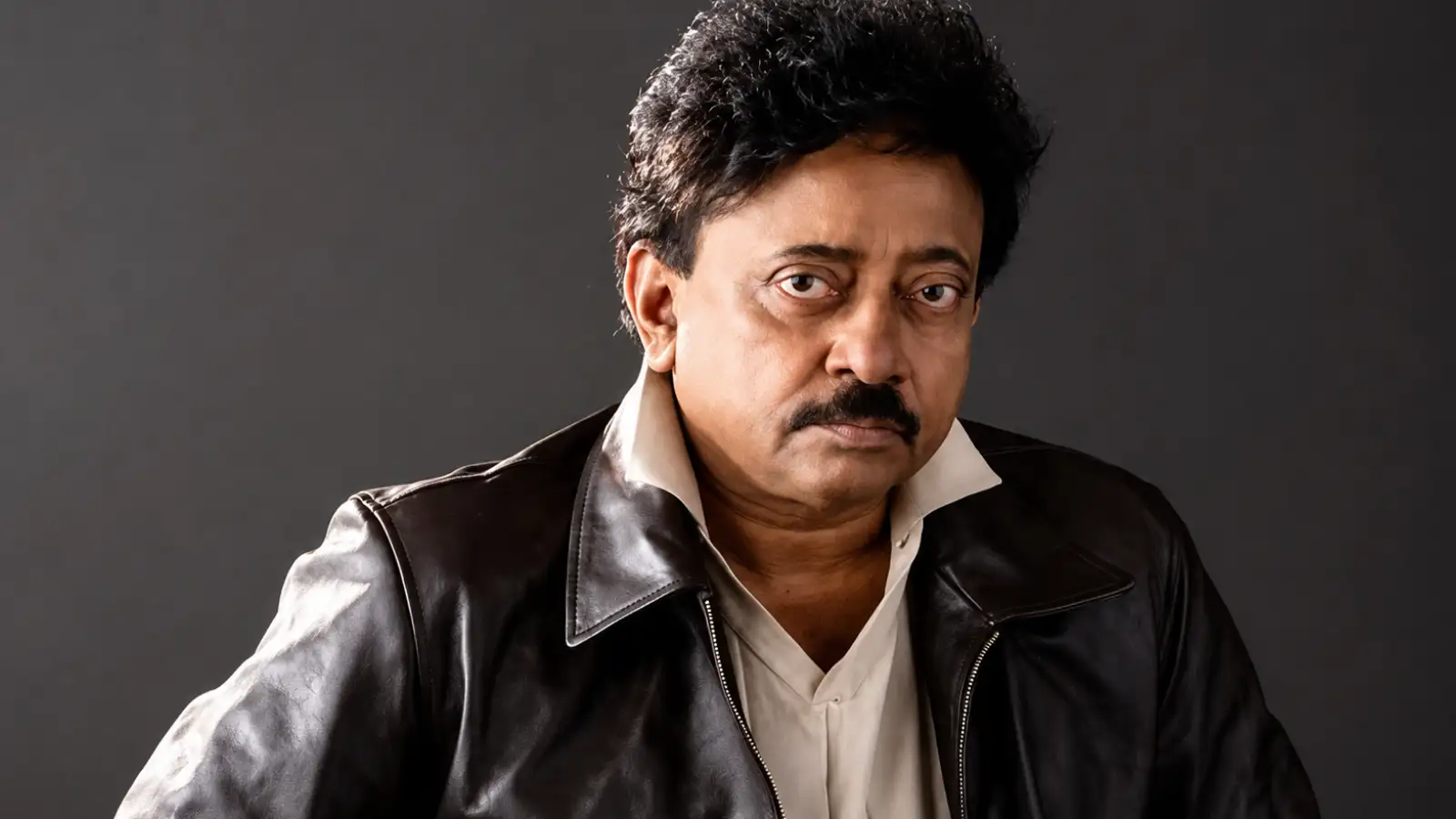
Sharing his views on social media, the filmmaker questioned, "Why are students preparing for NEET?" He claimed that AI is advancing at such a rapid pace that by the time today's medical students complete years of education and training, many of their acquired skills could already be performed more efficiently by AI-powered systems. He even described the current education model as outdated and suggested that learning should focus more on understanding and using AI than memorising textbooks for competitive examinations.
He argued that AI systems are increasingly capable of analysing vast amounts of information, assisting in medical diagnosis and improving decision-making faster than humans. In his view, educational institutions must rethink what they teach rather than continue relying on decades-old examination patterns.
Public anger over repeated examination irregularities eventually prompted the government to announce sweeping reforms. Prime Minister Narendra Modi has since constituted a high-level task force led by Nandan Nilekani to recommend structural changes to India's public examination system, while proposed amendments seek stricter penalties for paper leaks and examination fraud.
Some users agreed that AI will fundamentally transform education and employment, arguing that curricula should evolve to prepare students for an AI-driven future rather than emphasising rote learning.
Others strongly disagreed, pointing out that medicine requires far more than access to information. They argued that empathy, ethical decision-making, patient communication and clinical judgment cannot simply be replaced by artificial intelligence. Many also stressed that AI should complement doctors rather than replace them entirely.
Medical education worldwide is gradually incorporating AI literacy into training, but human oversight, clinical expertise and patient interaction remain essential aspects of healthcare. This suggests that while Varma's comments highlight an important conversation about the future of education, the transition is likely to be evolutionary rather than immediate.
Ram Gopal Varma's latest remarks have reignited discussions about the future of competitive examinations in an AI-powered world. While his suggestion that students rethink the value of preparing for NEET may be controversial, it has once again drawn attention to a broader question facing educators and policymakers: how should education evolve as artificial intelligence reshapes industries?
With India simultaneously grappling with examination reforms and rapid technological change, the debate over AI's role in education is unlikely to fade anytime soon.
Ram Gopal Varma's AI Argument
Varma's comments went beyond criticizing NEET itself. Instead, he argued that the larger issue is the education system's inability to keep pace with artificial intelligence.Sharing his views on social media, the filmmaker questioned, "Why are students preparing for NEET?" He claimed that AI is advancing at such a rapid pace that by the time today's medical students complete years of education and training, many of their acquired skills could already be performed more efficiently by AI-powered systems. He even described the current education model as outdated and suggested that learning should focus more on understanding and using AI than memorising textbooks for competitive examinations.
"NEET Is Not The Issue, AI Is"
One of Varma's strongest assertions was that "NEET is not the issue, AI is." According to him, debates around paper leaks and entrance examinations overlook a much larger technological shift that is transforming every profession, including medicine, law and engineering.He argued that AI systems are increasingly capable of analysing vast amounts of information, assisting in medical diagnosis and improving decision-making faster than humans. In his view, educational institutions must rethink what they teach rather than continue relying on decades-old examination patterns.
You may also like
- Opp uproar rocks Parliament: Both Houses adjourned till 2 PM
- 'Six major paper leaks in five years in Punjab': Swati Maliwal's 'super CM' swipe at Kejriwal
- 'Whosoever committed excesses must be taken to task': SC on violence during student protests
- Despite farmers' opposition, TN CM to pursue bilateral talks with Karnataka on Cauvery
- 'Ankit Sharma died with 51 injuries': Death penalty sought for Tahir Hussain in 2020 Delhi riots case
Remarks Come Amid NEET Crisis
Varma's comments arrived at a politically sensitive moment. The resignation of Dharmendra Pradhan followed months of student protests after the cancellation of NEET due to question paper leaks, a controversy that affected nearly two million aspirants across India.Public anger over repeated examination irregularities eventually prompted the government to announce sweeping reforms. Prime Minister Narendra Modi has since constituted a high-level task force led by Nandan Nilekani to recommend structural changes to India's public examination system, while proposed amendments seek stricter penalties for paper leaks and examination fraud.
Social Media Divided
As expected, Varma's remarks generated mixed reactions online.Some users agreed that AI will fundamentally transform education and employment, arguing that curricula should evolve to prepare students for an AI-driven future rather than emphasising rote learning.
Others strongly disagreed, pointing out that medicine requires far more than access to information. They argued that empathy, ethical decision-making, patient communication and clinical judgment cannot simply be replaced by artificial intelligence. Many also stressed that AI should complement doctors rather than replace them entirely.
AI And Medical Education
Experts generally agree that AI is already becoming an integral part of healthcare, helping doctors interpret scans, predict diseases and streamline hospital workflows. However, most researchers also maintain that AI currently functions as a support tool rather than a replacement for qualified medical professionals.Medical education worldwide is gradually incorporating AI literacy into training, but human oversight, clinical expertise and patient interaction remain essential aspects of healthcare. This suggests that while Varma's comments highlight an important conversation about the future of education, the transition is likely to be evolutionary rather than immediate.
Ram Gopal Varma's latest remarks have reignited discussions about the future of competitive examinations in an AI-powered world. While his suggestion that students rethink the value of preparing for NEET may be controversial, it has once again drawn attention to a broader question facing educators and policymakers: how should education evolve as artificial intelligence reshapes industries?
With India simultaneously grappling with examination reforms and rapid technological change, the debate over AI's role in education is unlikely to fade anytime soon.






Loving Newspoint? Download the app now
