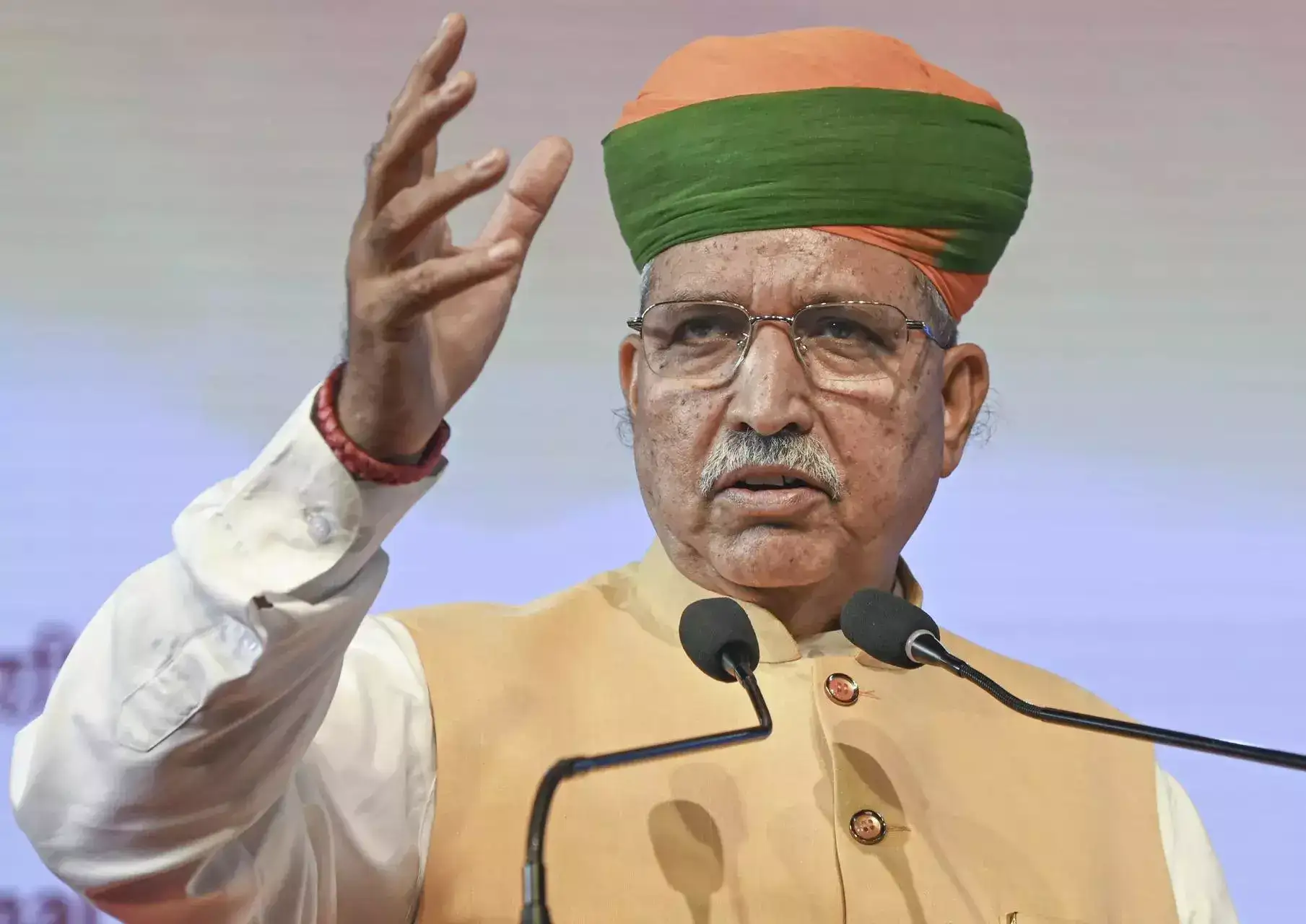
Law Minister Arjun Ram Meghwal emphasized on June 16 that the country’s new criminal laws have been introduced following extensive consultation. He announced that these new laws will take effect on July 1, 2024.Speaking at a conference on 'India’s Progressive Path in the Administration of Criminal Justice System' in Kolkata, the Minister outlined the three new laws—Bharatiya Nyay Sanhita, Bharatiya Suraksha Sanhita, and Bharatiya Sakshya Adhiniyam—that will replace the Indian Penal Code, Code of Criminal Procedure, and Indian Evidence Act.Addressing the criticism about inadequate consultation, Mr. Meghwal insisted that this was not the case. “The demand for change of colonial laws has been long-standing, and the process began long ago,” he stated.He explained that input was sought from a broad range of stakeholders, including the Chief Justice of India, Chief Justices of 16 High Courts, five academies, and 22 law universities. “We contacted all MPs, but only 142, including members from both houses, responded. Suggestions were also requested from all MLAs nationwide, with only 270 responding. We consulted widely, but not everyone provided feedback,” he added.Mr. Meghwal also noted that the new laws include provisions such as ‘Zero FIR’, which highlight a shift in focus towards prioritizing crimes against women, children, and the nation.UCC ImplementationThe conference, organized by the Ministry of Law and Justice, also featured the Chief Justice of the Calcutta High Court, T.S. Sivagnanam, and West Bengal Governor, C.V. Ananda Bose.Mr. Meghwal expressed optimism about the implementation of the Uniform Civil Code (UCC) in India. “In the BJP manifesto, we have mentioned about the UCC. There are States like Goa and Uttarakhand that have started implementing them. The coalition which has been formed in the Centre is a very strong government and there is nothing to worry about,” he said.Upon assuming office as a Minister on June 11, Mr. Meghwal had reiterated that the UCC implementation is part of the third Narendra Modi-led government’s agenda.