
Face Scan Repeatedly Rejects Bald Labourer, Female Worker’s Hair Helps Mark Attendance

A bizarre incident from the Mahabubabad district of Telangana has sparked widespread discussion over the reliability of digital services used for rural workers. A labourer reportedly faced repeated failures while marking attendance on the National Mobile Monitoring System (NMMS) app after shaving his head during a temple visit.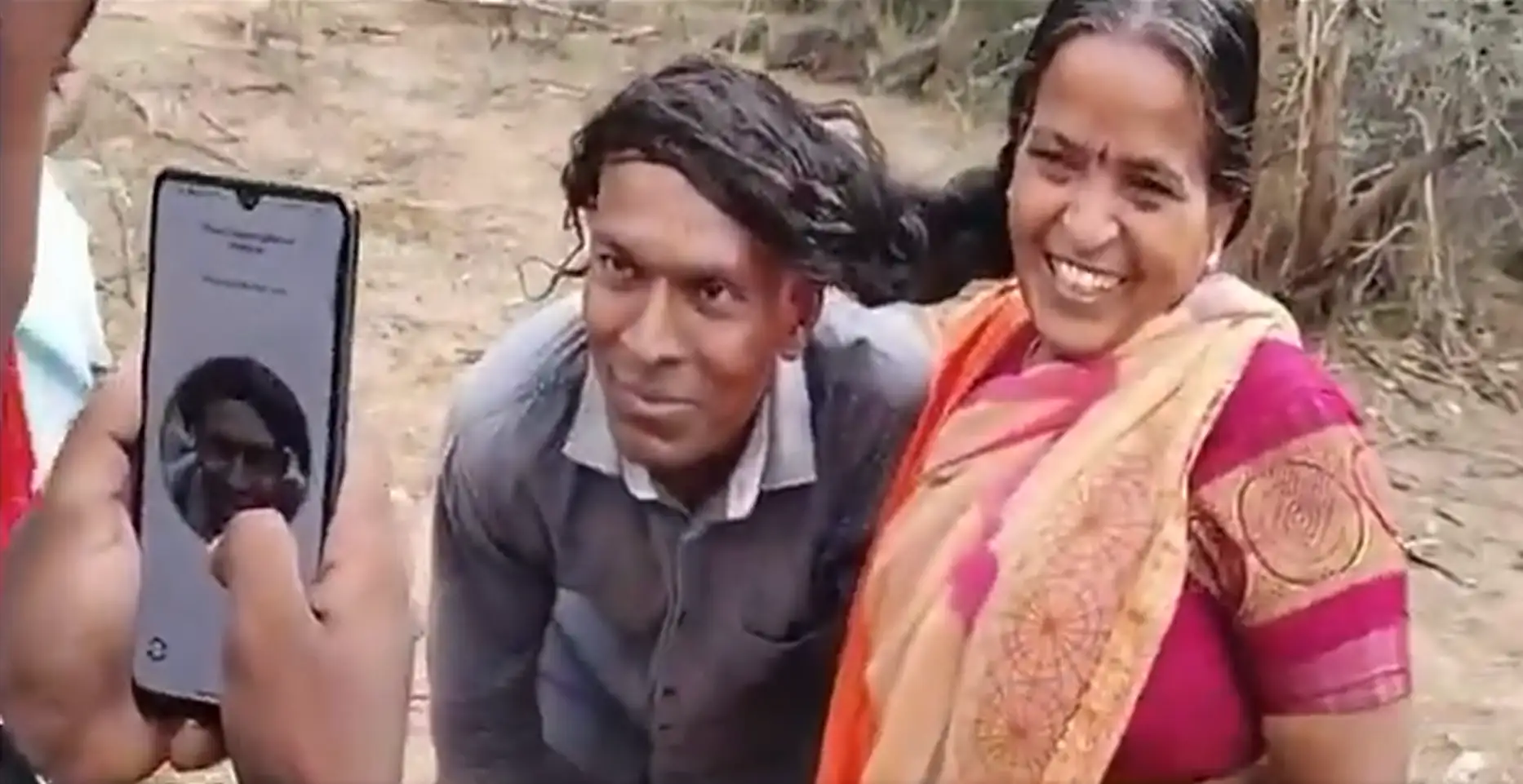
According to the various reports widely shared on social media, the app’s facial recognition feature failed to identify the worker because of his changed appearance after the tonsure.
The bizarre workaround quickly went viral online, drawing both laughter and criticism. While many social media users reacted with amusement, others pointed out the serious flaws of relying too heavily on technology for welfare schemes that millions of people depend on.
One user raised concerns commenting, ”If this is how the face recognition system is working then I wonder what will happen if they use it for law enforcement or welfare schemes.”
Another user dismissed the claim and wrote, “Absolutely false. The algorithm does not give equal weightage to all facial features. Blinking of eyes is mandatory. If a person goes bald or wears a cap, the algorithm will still successfully identify him.”
Several workers also claimed that these problems often result in attendance not being recorded properly, leading to delayed wage payments and unnecessary harassment.
The Mahabubabad incident has once again raised concerns over the reliability of using facial recognition systems in rural employment programmes.
According to the various reports widely shared on social media, the app’s facial recognition feature failed to identify the worker because of his changed appearance after the tonsure.
A Strange Hack That Finally Worked
The unusual problem was eventually solved in an equally unusual way. Fellow workers reportedly placed a woman labourer’s hair cover on the man’s shaved head, after which the facial recognition system finally accepted his attendance.The bizarre workaround quickly went viral online, drawing both laughter and criticism. While many social media users reacted with amusement, others pointed out the serious flaws of relying too heavily on technology for welfare schemes that millions of people depend on.
People Raise Concerns Over App Glitches
The incident has once again drawn attention to the ongoing issues with the NMMS app , with several netizens reacting on X over its alleged problems.You may also like
- "Nothing decided yet, we have called CLP meeting tomorrow": DK Shivakumar on new leadership in Karnataka
- Delhi HC upholds acquittal in 2006 special cell arms and explosives case; dismisses govt's appeal
- Supreme Court invokes Article 142, issues strict timelines to curb delay in High Court judgments
- Delhi HC upholds TRAI's 12-minute ad cap, says broadcasters have "no constitutional right to unlimited monetisation of public airwaves"
- Fire tenders rushed, blaze brought under control, says officer after retired IAS officer's death in Delhi fire
One user raised concerns commenting, ”If this is how the face recognition system is working then I wonder what will happen if they use it for law enforcement or welfare schemes.”
Another user dismissed the claim and wrote, “Absolutely false. The algorithm does not give equal weightage to all facial features. Blinking of eyes is mandatory. If a person goes bald or wears a cap, the algorithm will still successfully identify him.”
Several workers also claimed that these problems often result in attendance not being recorded properly, leading to delayed wage payments and unnecessary harassment.
Facial Recognition Under Scrutiny
Experts have repeatedly warned that facial recognition systems can start malfunctioning when there are some noticeable changes in a person’s facial features. For instance, growing a beard or change in hairstyle or going completely bald can affect the facial recognition features to recognise individuals properly.The Mahabubabad incident has once again raised concerns over the reliability of using facial recognition systems in rural employment programmes.






More from our partners


Loving Newspoint? Download the app now
