
Petrol And Diesel Purchase Rules Change From July 1 What It Means For Consumers And Businesses

A major policy change affecting fuel purchases has come into effect across India from 1 July, bringing relief to transport companies, manufacturing units and other commercial consumers. Businesses can now purchase petrol and diesel directly from retail petrol pumps without any quantity restrictions, marking the end of temporary limits that had been introduced during a period of supply uncertainty.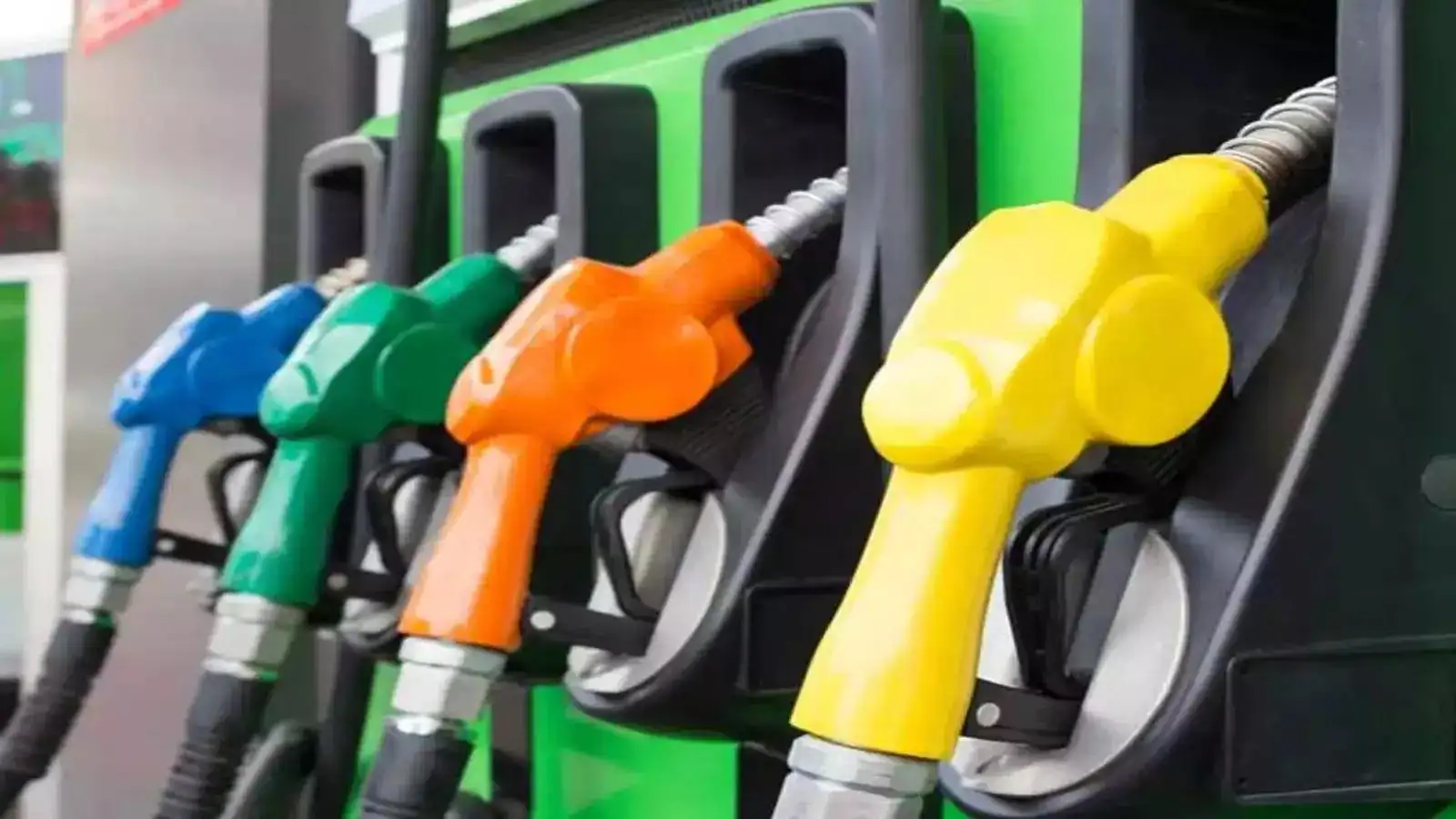
The revised rule restores the earlier system under which commercial customers were free to buy fuel as required from retail outlets. The decision comes after improvements in fuel availability and greater stability in international energy markets.
The limits on bulk fuel purchases were designed to prevent excessive buying by large commercial users and discourage stockpiling. This helped ensure that ordinary consumers could continue to access petrol and diesel without facing disruptions at retail outlets.
The restrictions were never intended to be permanent. Instead, they served as a short-term response to exceptional market conditions until supply levels improved.
The latest decision reflects confidence that the domestic fuel supply chain is now capable of meeting demand from both individual consumers and commercial buyers. Businesses that rely heavily on fuel for daily operations can once again purchase the quantities they require directly from retail pumps.
The easing of restrictions is expected to improve operational efficiency for sectors where uninterrupted fuel supply plays a critical role.
Industrial and commercial customers often had to pay higher prices through commercial supply channels than those available at ordinary retail fuel stations. This price gap encouraged many businesses to buy diesel from retail petrol pumps instead.
As more commercial users shifted their purchases to retail outlets, demand increased sharply at government-operated fuel stations. This created pressure on supplies in certain areas and affected the normal distribution pattern.
At the same time, private fuel retailers experienced weaker sales because their pricing continued to reflect prevailing market conditions. The imbalance resulted in uneven demand across different fuel outlets.
Transport operators, logistics companies, factories, construction firms and manufacturing units will now have greater flexibility in planning their fuel purchases. Businesses will no longer need to manage procurement around temporary limits, allowing smoother day-to-day operations.
For companies operating large vehicle fleets, easier access to petrol and diesel may also help simplify supply planning and reduce operational inconvenience.
Events affecting crude oil production, shipping routes or international trade often have a direct impact on India's energy sector. As a result, temporary policy measures may still be used in the future whenever extraordinary circumstances threaten supply stability.
The recent easing of restrictions demonstrates how fuel policies can change in response to evolving market conditions while aiming to maintain uninterrupted supplies for consumers and businesses alike.
The latest petrol diesel update signals a return to normal purchasing arrangements after a period of precautionary controls. With fuel supply conditions improving, commercial buyers can once again procure petrol and diesel without quantity limits, supporting smoother business operations while strengthening confidence in the country's fuel distribution network.
The revised rule restores the earlier system under which commercial customers were free to buy fuel as required from retail outlets. The decision comes after improvements in fuel availability and greater stability in international energy markets.
Why The Temporary Restrictions Were Introduced
The temporary restrictions were implemented when concerns grew over the availability of crude oil and refined fuel due to geopolitical tensions in West Asia. Rising uncertainty in global supply chains had increased fears of potential shortages, prompting authorities to introduce precautionary measures to ensure that fuel remained available across the country.The limits on bulk fuel purchases were designed to prevent excessive buying by large commercial users and discourage stockpiling. This helped ensure that ordinary consumers could continue to access petrol and diesel without facing disruptions at retail outlets.
The restrictions were never intended to be permanent. Instead, they served as a short-term response to exceptional market conditions until supply levels improved.
Improved Supply Situation Supports Policy Change
Over recent weeks, the international energy market has shown signs of gradual stabilisation. As supply conditions improved and fuel availability became more comfortable, the need for emergency restrictions reduced significantly.The latest decision reflects confidence that the domestic fuel supply chain is now capable of meeting demand from both individual consumers and commercial buyers. Businesses that rely heavily on fuel for daily operations can once again purchase the quantities they require directly from retail pumps.
The easing of restrictions is expected to improve operational efficiency for sectors where uninterrupted fuel supply plays a critical role.
Diesel Pricing Had Shifted Buying Patterns
One of the important reasons behind the earlier restrictions was the pricing difference between commercial and retail diesel.You may also like
- US-India ties at lowest in 30 years due to Trump's 'destructive policies': Ro Khanna
- 3 airports, an air ambulance: How Uttarakhand is solving its connectivity challenge
- Kharif sowing slumps 23 pc amid delayed monsoon; key reservoirs level at 26 pc storage
- 'Wars will be more joint, theatre-oriented in future', says Gen Dwivedi as he hands over command of Army to Gen Dhiraj Seth
- Noida emerges as UP's industrial powerhouse with electronics, semiconductor and solar projects gathering pace
Industrial and commercial customers often had to pay higher prices through commercial supply channels than those available at ordinary retail fuel stations. This price gap encouraged many businesses to buy diesel from retail petrol pumps instead.
As more commercial users shifted their purchases to retail outlets, demand increased sharply at government-operated fuel stations. This created pressure on supplies in certain areas and affected the normal distribution pattern.
At the same time, private fuel retailers experienced weaker sales because their pricing continued to reflect prevailing market conditions. The imbalance resulted in uneven demand across different fuel outlets.
Relief For Transport And Industrial Sectors
The removal of quantity restrictions is expected to benefit several industries that consume large volumes of fuel every day.Transport operators, logistics companies, factories, construction firms and manufacturing units will now have greater flexibility in planning their fuel purchases. Businesses will no longer need to manage procurement around temporary limits, allowing smoother day-to-day operations.
For companies operating large vehicle fleets, easier access to petrol and diesel may also help simplify supply planning and reduce operational inconvenience.
India's Fuel Sector Remains Closely Linked To Global Markets
India continues to depend heavily on imported crude oil to meet its energy requirements, even though it is also a significant exporter of refined petroleum products. Because of this dependence, developments in global oil markets can quickly influence domestic fuel availability and pricing.Events affecting crude oil production, shipping routes or international trade often have a direct impact on India's energy sector. As a result, temporary policy measures may still be used in the future whenever extraordinary circumstances threaten supply stability.
The recent easing of restrictions demonstrates how fuel policies can change in response to evolving market conditions while aiming to maintain uninterrupted supplies for consumers and businesses alike.
The latest petrol diesel update signals a return to normal purchasing arrangements after a period of precautionary controls. With fuel supply conditions improving, commercial buyers can once again procure petrol and diesel without quantity limits, supporting smoother business operations while strengthening confidence in the country's fuel distribution network.






More from our partners


Loving Newspoint? Download the app now
