
Ranveer Allahbadia Controversy: How One Comment Led to a Mass Unfollow and Exposed Influencer Marketing Risks

In the world of influencer marketing, trust is the ultimate currency. One moment, an influencer is the face of major brands, and the next, they’re caught in a storm of public backlash. The latest example? Ranveer Allahbadia, popularly known as BeerBiceps , whose recent controversy has led to a significant dent in his online presence and credibility.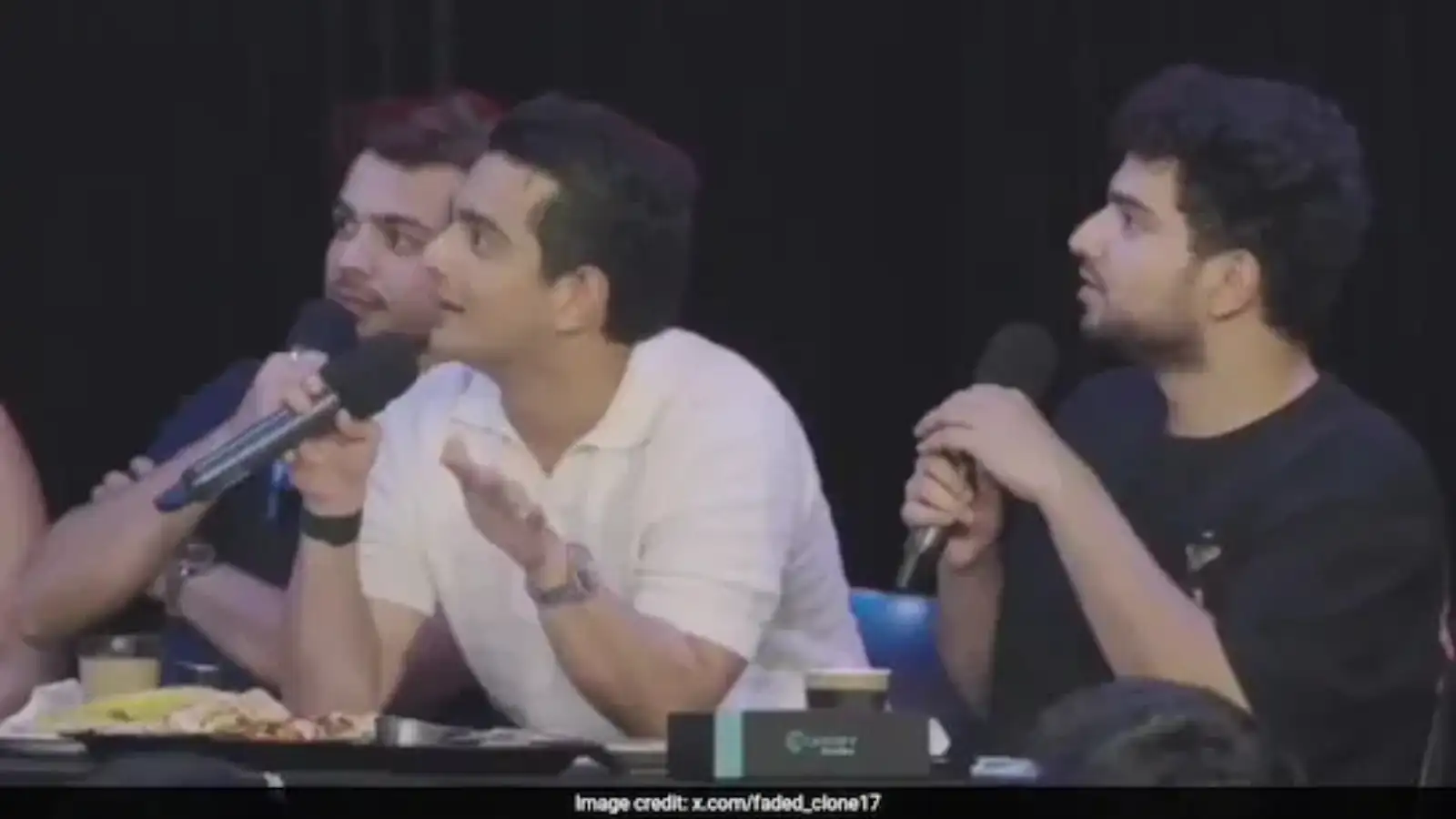
Allahbadia, a prominent content creator with multiple high-profile brand associations, has faced intense criticism following his remarks on Samay Raina’s India’s Got Latent . The fallout has been swift—an FIR, widespread public outrage, and a notable dip in followers. According to Qoruz, an influencer analytics platform, he has lost over 25,000 followers on Instagram and more than 40,000 subscribers on YouTube within days. “Our society is family-oriented and such controversies can have significant repercussions. Depending on the severity, the setback may differ. In his case, the prompt apology may mitigate some damage but it won’t negate it,” Anita Shekhar Castellino, Counsel, Bombay High Court and Convenor, ILAW, shared with BrandWagon Online.
Influencers are an extension of a brand’s image, and when controversy arises, companies are often left in a tricky position. Some of Allahbadia’s notable partnerships—such as Spotify, Mountain Dew, Amazon Prime Video, Intel, and Wow Skin Science—now find themselves in an uncomfortable spotlight. While brands have yet to make official statements, history suggests they may choose to distance themselves to avoid reputational damage. As singer B Praak, who canceled his podcast appearance with Allahbadia, stated, “This is not our Indian culture.”
Unlike traditional celebrities, influencers build their audience through relatability and authenticity. Their credibility is what makes them valuable to brands. However, when that trust is shaken, it doesn’t just impact the influencer - it also affects the companies associated with them.
“When influencers get caught in controversies, it directly impacts their credibility and brand value,” explains Vaishnavi Boora, a fitness and lifestyle creator. “Brands associate with influencers to build trust and a positive image, but any negative publicity can make them hesitant to collaborate.”
With social media amplifying every misstep, brands must tread carefully. A single controversy can lead to consumer boycotts, backlash, and ultimately, financial losses.
The influencer economy is no longer dominated by a handful of creators. With diverse content creators available across various languages and niches, brands have options. If one influencer stirs controversy, companies can quickly pivot to another.
“Brands won’t spend millions on a campaign only to see it hijacked by controversy,” notes Anirudh Sridharan, Co-Founder of HashFame. “The risk isn’t worth it, especially when there’s no shortage of creators to choose from.”
To safeguard against such risks, Shivani Gupta, managing partner at SPAG FINN Partners, highlights a three-step approach for brands - authenticity, filtration, and sentiment analysis - before partnering with influencers. This is not just caution; it’s a necessity for brand survival in a hyper-sensitive digital landscape.
While controversy usually spells trouble, there’s an argument that it also brings attention. Allahbadia’s remarks may have caused a backlash, but they have also kept his name in headlines. “Ranveer’s remarks might seem inappropriate and potentially damaging, but they could also be a deliberate attempt to gain attention - one that was fairly successful. Like many publicity stunts, it will eventually be managed,” says Hariom Seth, founder of Tagglabs.
Harish Bijoor, a business and brand strategy expert, offers a different perspective. “This controversy has actually catapulted Ranveer onto a different framework altogether. While it portrays him as insensitive, it also pushes his imagery to the front foot of the influencer market.”
However, this approach comes with risks. If legal troubles escalate, brands will likely step back for good. “Brands will initially sit on the fence and wait for the legal and police issues to unfold. If all of that settles down, Ranveer is back in business. If not, he’ll suffer as brands distance themselves,” experts predict.
The Ranveer Allahbadia controversy serves as a stark reminder: influence comes with responsibility. Every word spoken on a podcast, every tweet, and every video holds weight - not just for the creator but for the brands that back them.
“We believe collaborations should be viewed from the lens of shared values. While we strongly believe in responsible messaging, we also advocate for greater tolerance in an environment where targeted hate is becoming a norm,” says Mallik, regional communication, IPPF South Asia Region.
For influencers, the challenge is clear - maintain a balance between authenticity and accountability. While freedom of speech exists, so do consequences. In an industry driven by perception, a single misstep can have a domino effect, impacting not just the influencer but the entire brand ecosystem attached to them.
A Reputation at Stake
Allahbadia, a prominent content creator with multiple high-profile brand associations, has faced intense criticism following his remarks on Samay Raina’s India’s Got Latent . The fallout has been swift—an FIR, widespread public outrage, and a notable dip in followers. According to Qoruz, an influencer analytics platform, he has lost over 25,000 followers on Instagram and more than 40,000 subscribers on YouTube within days. “Our society is family-oriented and such controversies can have significant repercussions. Depending on the severity, the setback may differ. In his case, the prompt apology may mitigate some damage but it won’t negate it,” Anita Shekhar Castellino, Counsel, Bombay High Court and Convenor, ILAW, shared with BrandWagon Online.
The Brand Dilemma: Stay or Walk Away?
Influencers are an extension of a brand’s image, and when controversy arises, companies are often left in a tricky position. Some of Allahbadia’s notable partnerships—such as Spotify, Mountain Dew, Amazon Prime Video, Intel, and Wow Skin Science—now find themselves in an uncomfortable spotlight. While brands have yet to make official statements, history suggests they may choose to distance themselves to avoid reputational damage. As singer B Praak, who canceled his podcast appearance with Allahbadia, stated, “This is not our Indian culture.”
Why Trust Is the Backbone of Influencer Marketing
Unlike traditional celebrities, influencers build their audience through relatability and authenticity. Their credibility is what makes them valuable to brands. However, when that trust is shaken, it doesn’t just impact the influencer - it also affects the companies associated with them.
“When influencers get caught in controversies, it directly impacts their credibility and brand value,” explains Vaishnavi Boora, a fitness and lifestyle creator. “Brands associate with influencers to build trust and a positive image, but any negative publicity can make them hesitant to collaborate.”
With social media amplifying every misstep, brands must tread carefully. A single controversy can lead to consumer boycotts, backlash, and ultimately, financial losses.
The High-Risk, High-Stakes Game for Brands
The influencer economy is no longer dominated by a handful of creators. With diverse content creators available across various languages and niches, brands have options. If one influencer stirs controversy, companies can quickly pivot to another.
“Brands won’t spend millions on a campaign only to see it hijacked by controversy,” notes Anirudh Sridharan, Co-Founder of HashFame. “The risk isn’t worth it, especially when there’s no shortage of creators to choose from.”
To safeguard against such risks, Shivani Gupta, managing partner at SPAG FINN Partners, highlights a three-step approach for brands - authenticity, filtration, and sentiment analysis - before partnering with influencers. This is not just caution; it’s a necessity for brand survival in a hyper-sensitive digital landscape.
You may also like
- IFF says govt order to GitHub on BitChat unconstitutional, demands its withdrawal
- Govt had to bow before collective struggle of youth, says opposition
- Left scores win, despite its shrunken presence, through its student organs
- PM Modi is India's past, protesting youth the country's future, says Rahul
- Pralhad Joshi, man with a low profile & an effective style
Can Controversy Ever Work in an Influencer’s Favor?
While controversy usually spells trouble, there’s an argument that it also brings attention. Allahbadia’s remarks may have caused a backlash, but they have also kept his name in headlines. “Ranveer’s remarks might seem inappropriate and potentially damaging, but they could also be a deliberate attempt to gain attention - one that was fairly successful. Like many publicity stunts, it will eventually be managed,” says Hariom Seth, founder of Tagglabs.
Harish Bijoor, a business and brand strategy expert, offers a different perspective. “This controversy has actually catapulted Ranveer onto a different framework altogether. While it portrays him as insensitive, it also pushes his imagery to the front foot of the influencer market.”
However, this approach comes with risks. If legal troubles escalate, brands will likely step back for good. “Brands will initially sit on the fence and wait for the legal and police issues to unfold. If all of that settles down, Ranveer is back in business. If not, he’ll suffer as brands distance themselves,” experts predict.
A Wake-Up Call for Influencers
The Ranveer Allahbadia controversy serves as a stark reminder: influence comes with responsibility. Every word spoken on a podcast, every tweet, and every video holds weight - not just for the creator but for the brands that back them.
“We believe collaborations should be viewed from the lens of shared values. While we strongly believe in responsible messaging, we also advocate for greater tolerance in an environment where targeted hate is becoming a norm,” says Mallik, regional communication, IPPF South Asia Region.
For influencers, the challenge is clear - maintain a balance between authenticity and accountability. While freedom of speech exists, so do consequences. In an industry driven by perception, a single misstep can have a domino effect, impacting not just the influencer but the entire brand ecosystem attached to them.






Loving Newspoint? Download the app now
