
Blinkit: Typing Nonsense Still Returns Chocolate Results, Raising Questions

A seemingly harmless experiment on Blinkit ’s search bar has sparked a large conversation about algorithms and digital consumer experiences. A viral social media post shows that entering random toddler-like gibberish into Blinkit’s search bar does not lead to empty results. Instead, the unusual results left users shocked and amazed, sparking conversations about how modern recommendation systems work.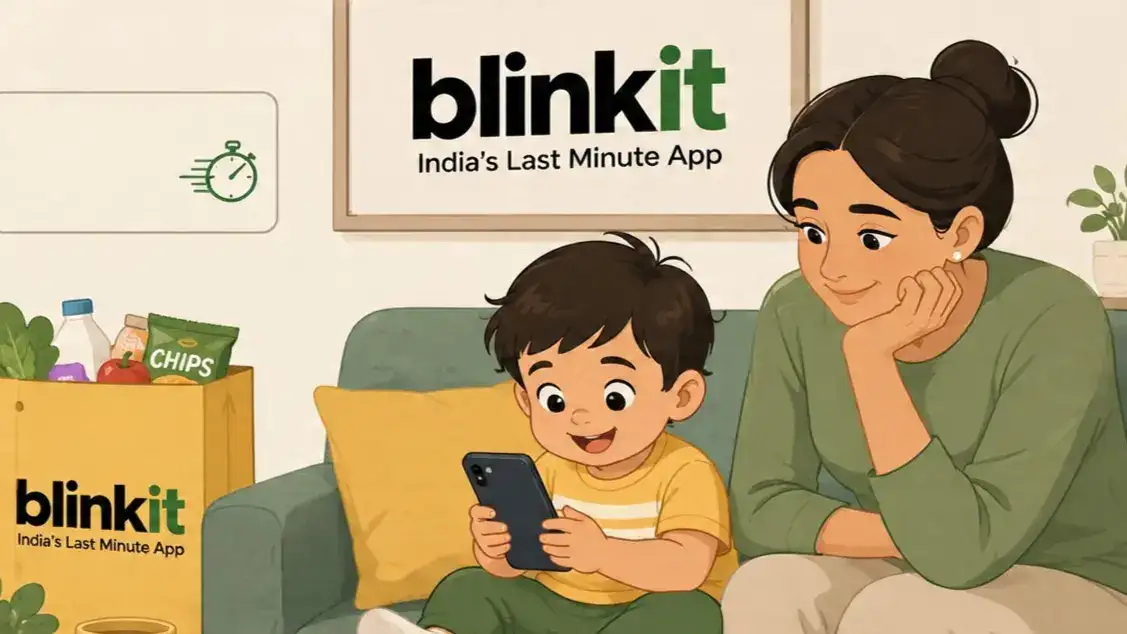
The conversation began to gain popularity after a user shared that they were trying to convince a toddler that chocolates were out of stock on Blinkit. So instead of searching for it, they typed random letters that a toddler would type on the phone.
But unexpectedly, Blinkit displayed chocolates and other products rather than showing 'No Results Found.' This post was shared online and gained popularity very quickly, and people started trying it themselves.
This story became popular due to 3 reasons:
But online discussions suggest a few possibilities:
Fuzzy Search Systems: Modern search systems have evolved in such a way that instead of returning zero results, they try to predict the input. This is also done so that users do not feel disappointed; rather, they try to provide the nearest possible or even the exact results for the same.
Behaviour-Based Recommendations: Such platforms show products that consumers frequently engage with rather than the exact same search. This is also done to maintain engagement.
Letter Matching and Fallback Ranking: Some users suggest that the results may simply be generated by matching letters or popular product categories.
This conversation has clearly become deeper than just a joke, it has turned into a discussion around digital ethics. The term 'dark pattern' has come into the picture, which refers to interface designs that influence users into taking actions they did not intentionally plan.
While some were questioned whether the system has become too persuasive, asking whether apps should show random products when searches fail and whether convenience sometimes becomes manipulation, others argued that this is simply smart search engineering rather than intentional behavioural targeting.
The internet responded in mixed ways, “this is brilliant product thinking”, “This is creepy and impressive at the same time”, "algorithms understand us better than we think”. This incident reflects a bigger shift in digital commerce. Earlier, users searched for products, but now platforms increasingly try to predict what users might want before they explicitly ask. This shift raised important questions about the cost of convenience at the stake of privacy.
Whether Blinkit’s viral search result was an intentional feature or an unexpected algorithmic outcome, the conversation it created was bigger than chocolate. The incident highlights how technology today is moving from responding to understanding, the future is both fascinating and worth questioning.
The conversation began to gain popularity after a user shared that they were trying to convince a toddler that chocolates were out of stock on Blinkit. So instead of searching for it, they typed random letters that a toddler would type on the phone.
But unexpectedly, Blinkit displayed chocolates and other products rather than showing 'No Results Found.' This post was shared online and gained popularity very quickly, and people started trying it themselves.
This story became popular due to 3 reasons:
- People joked that Blinkit somehow 'knew' a toddler was using the device.
- It piqued the curiosity of users about how the app would respond to unclear inputs.
- Some people also questioned whether platforms have become too good at influencing purchasing behaviour.
You may also like
- NEET-UG re-exam: CRPF, CISF to provide security for question papers
- One year after Air India crash, families await answers, probe findings
- Sole survivor of Air India crash 'struggles with difficult memories' a year after tragedy
- Mumbai doctor's 'male corpse' remark lands her in hot water
- 'To stake claim as real TMC': Rebel MPs to meet Lok Sabha Speaker on Monday
But online discussions suggest a few possibilities:
Fuzzy Search Systems: Modern search systems have evolved in such a way that instead of returning zero results, they try to predict the input. This is also done so that users do not feel disappointed; rather, they try to provide the nearest possible or even the exact results for the same.
Behaviour-Based Recommendations: Such platforms show products that consumers frequently engage with rather than the exact same search. This is also done to maintain engagement.
Letter Matching and Fallback Ranking: Some users suggest that the results may simply be generated by matching letters or popular product categories.
This conversation has clearly become deeper than just a joke, it has turned into a discussion around digital ethics. The term 'dark pattern' has come into the picture, which refers to interface designs that influence users into taking actions they did not intentionally plan.
While some were questioned whether the system has become too persuasive, asking whether apps should show random products when searches fail and whether convenience sometimes becomes manipulation, others argued that this is simply smart search engineering rather than intentional behavioural targeting.
The internet responded in mixed ways, “this is brilliant product thinking”, “This is creepy and impressive at the same time”, "algorithms understand us better than we think”. This incident reflects a bigger shift in digital commerce. Earlier, users searched for products, but now platforms increasingly try to predict what users might want before they explicitly ask. This shift raised important questions about the cost of convenience at the stake of privacy.
Whether Blinkit’s viral search result was an intentional feature or an unexpected algorithmic outcome, the conversation it created was bigger than chocolate. The incident highlights how technology today is moving from responding to understanding, the future is both fascinating and worth questioning.






More from our partners


Loving Newspoint? Download the app now
