
Why 20 Rebel TMC MPs Chose NCPI: The Strategy Behind the Parliamentary Split

Late Sunday evening, June 14, a group of 20 rebel Trinamool Congress (TMC) Lok Sabha MPs announced their merger with the little-known Nationalist Citizens Party of India (NCPI). The breakaway faction met Lok Sabha Speaker Om Birla, sought recognition as a separate bloc in the House, and pledged support to the BJP-led NDA government.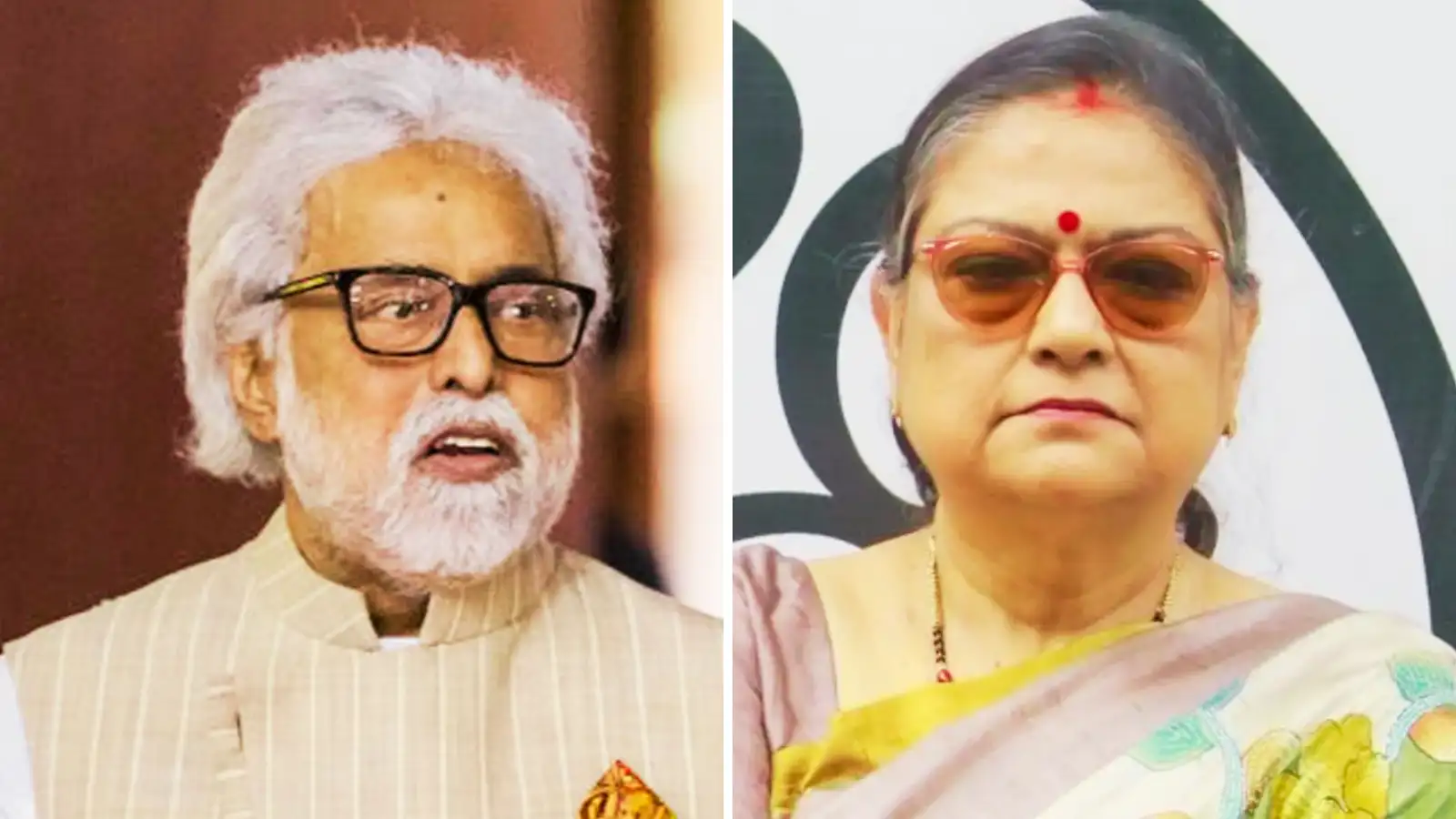
The move catapulted the NCPI, a party with virtually no national political footprint into the spotlight. The merger is now being seen as a smart strategic move by the ruling BJP to circumvent anti-defection provisions while enabling the rebel MPs to align with the NDA. The move not only deepened the crisis within the Mamata Banerjee-led TMC, or what is left of it, but also gave the BJP-led NDA a new ally.
Founded in 2020 by former Tripura minister Paban Kumar Das, the NCPI is a registered but unrecognised political party, according to reports. Initially conceived as a regional platform focused on tribal welfare, nationalism and governance reforms in the Northeast, it made its electoral debut in the 2023 Tripura Assembly elections, fielding candidates in a handful of constituencies. The party failed to win any seats and reportedly secured around 1,200 votes in total.
For the rebels, obscurity was not a liability. It was the strategy.The choice of NCPI appears to offer something the BJP could not, which is a legally defensible pathway out of the TMC while preserving their collective strength in Parliament.The rebels’ original plan was simpler: walk out of the TMC parliamentary party with two-third MPs, constitute a separate group in Parliament and support the BJP-led NDA, sources said.
But parliamentary rules left little room for such an arrangement. Faced with that legal hurdle, they turned to the NCPI, which offered what a standalone rebel bloc could not: legitimacy. A senior rebel MP said the decision was driven by “practical considerations rather than ideology”.“We wanted to move collectively and create a political space outside Mamata Banerjee ’s control without triggering unnecessary procedural hurdles. The NCPI route offered a workable parliamentary solution,” he said.
Senior TMC leader Sougata Roy dismissed the significance of the development, insisting that the party’s strength remained intact. “Some MPs may leave, but the Trinamool Congress belongs to Mamata Banerjee. The organisation, workers and people remain with her. Those who think they can weaken the party by changing labels are mistaken,” Roy said.
The move catapulted the NCPI, a party with virtually no national political footprint into the spotlight. The merger is now being seen as a smart strategic move by the ruling BJP to circumvent anti-defection provisions while enabling the rebel MPs to align with the NDA. The move not only deepened the crisis within the Mamata Banerjee-led TMC, or what is left of it, but also gave the BJP-led NDA a new ally.
Founded in 2020 by former Tripura minister Paban Kumar Das, the NCPI is a registered but unrecognised political party, according to reports. Initially conceived as a regional platform focused on tribal welfare, nationalism and governance reforms in the Northeast, it made its electoral debut in the 2023 Tripura Assembly elections, fielding candidates in a handful of constituencies. The party failed to win any seats and reportedly secured around 1,200 votes in total.
You may also like
- NDA govt focused on improving ordinary citizens' quality of life in 12 yrs: PM Modi
- NCPI opens doors to rebel TMC MPs, signals support for NDA
- Nirmala Sitharaman says El Nino unlikely to cause food shortages
- Kerala minister Bindu Krishna splashed with payasam during 'Priyadarshini' launch
- Dehradun on edge after BJP neta killed over water dispute
Why NCPI?
The decision of the rebel TMC faction to merge with the NCPI on Sunday may appear puzzling at first, but political observers believe it’s a careful move to bypass legalities and, at the same time, make political calculations, underpinning the biggest crisis to have hit the Trinamool Congress since its formation in 1998.For the rebels, obscurity was not a liability. It was the strategy.The choice of NCPI appears to offer something the BJP could not, which is a legally defensible pathway out of the TMC while preserving their collective strength in Parliament.The rebels’ original plan was simpler: walk out of the TMC parliamentary party with two-third MPs, constitute a separate group in Parliament and support the BJP-led NDA, sources said.
But parliamentary rules left little room for such an arrangement. Faced with that legal hurdle, they turned to the NCPI, which offered what a standalone rebel bloc could not: legitimacy. A senior rebel MP said the decision was driven by “practical considerations rather than ideology”.“We wanted to move collectively and create a political space outside Mamata Banerjee ’s control without triggering unnecessary procedural hurdles. The NCPI route offered a workable parliamentary solution,” he said.
Rebels Avoid TMC Identity Battle
CPI (M) leader Sujan Chakraborty believes the move reflects lessons drawn from the parallel rebellion inside the West Bengal Assembly. “This is less of a political merger than a legal device,” he said, arguing that the Lok Sabha rebels seem keen to avoid the complications that followed the TMC split in the Assembly.The contrast is striking. The Lok Sabha rebels have consciously stayed away from that battlefield. They are not claiming to be the ‘real’ TMC. Nor are they attempting to seize the party’s organisation, symbol or institutional structure.Instead, they appear to have accepted that the organisational TMC would remain with Mamata Banerjee, while seeking to detach the parliamentary wing from her control.Senior TMC leader Sougata Roy dismissed the significance of the development, insisting that the party’s strength remained intact. “Some MPs may leave, but the Trinamool Congress belongs to Mamata Banerjee. The organisation, workers and people remain with her. Those who think they can weaken the party by changing labels are mistaken,” Roy said.






More from our partners


Loving Newspoint? Download the app now
