
Why Summer Power Cuts Increase During Heatwaves

Every summer, headlines about electricity shortages and sudden power cuts begin appearing across many regions. Fans stop, air conditioners shut down, and entire neighbourhoods struggle through hours of uncomfortable heat.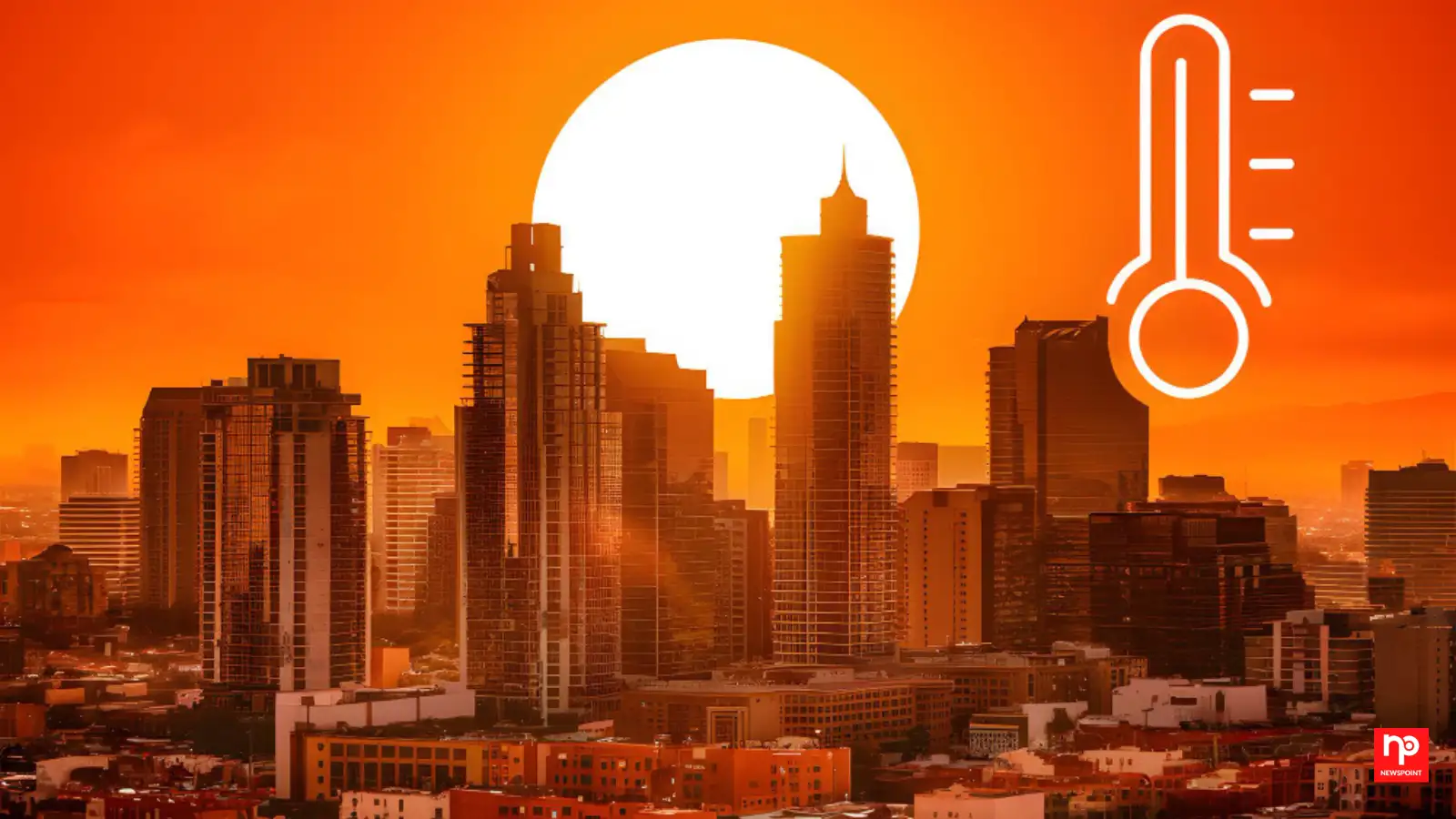
Most people blame technical faults or poor infrastructure alone, but the real problem is often much larger.
Modern cities consume enormous amounts of electricity during heatwaves, pushing power systems close to their limits.
When millions of homes switch on air conditioners simultaneously, the strain on power grids rises dramatically within short periods.
Even well-developed electrical systems can struggle during prolonged heatwaves when demand remains consistently high for days.
Power lines become less efficient in high heat, transformers overheat more easily, and equipment experiences greater mechanical stress overall.
Ironically, the hotter the weather becomes, the harder it is for the power system itself to operate efficiently while handling increased cooling demand.
This phenomenon, known as the urban heat island effect, increases dependence on cooling systems even further.
As cities grow larger, energy demand during summer continues rising rapidly.
However, peak cooling demand often continues into evenings after solar production drops, creating balancing challenges for power systems.
Battery storage technology and smarter electricity management systems are becoming increasingly important for future summer energy stability.
This raises important questions about sustainable cooling solutions, energy-efficient buildings, and smarter urban design.
The challenge is no longer simply producing electricity. It is ensuring power systems can survive increasingly extreme weather patterns while millions of people depend on cooling technology daily.
Most people blame technical faults or poor infrastructure alone, but the real problem is often much larger.
Modern cities consume enormous amounts of electricity during heatwaves, pushing power systems close to their limits.
Air Conditioners Drive Massive Electricity Demand
Cooling systems are one of the biggest reasons electricity demand spikes sharply during summer.When millions of homes switch on air conditioners simultaneously, the strain on power grids rises dramatically within short periods.
Even well-developed electrical systems can struggle during prolonged heatwaves when demand remains consistently high for days.
Heat Also Damages Infrastructure
Extreme temperatures affect electrical infrastructure directly too.Power lines become less efficient in high heat, transformers overheat more easily, and equipment experiences greater mechanical stress overall.
Ironically, the hotter the weather becomes, the harder it is for the power system itself to operate efficiently while handling increased cooling demand.
You may also like
- "CM wants cabinet to function like one family": Tamil Nadu Minister Aadhav Arjuna
- Narendra Modi accepts Varanasi ghats painting from Tomassetti in Rome
- One-day nationwide chemists' strike begins on mixed note
- Heavy Uttarakhand rains leave over 10,000 pilgrims stranded near Kedarnath
- Delhi HC awards 6-month jail term to YouTuber over remarks calling judiciary "Taanashahi"; Sentence kept in abeyance for 60 days
Cities Create “Urban Heat Islands”
Dense urban areas often remain significantly hotter than nearby rural regions because concrete, glass, traffic, and buildings trap heat throughout the day.This phenomenon, known as the urban heat island effect, increases dependence on cooling systems even further.
As cities grow larger, energy demand during summer continues rising rapidly.
Renewable Energy Creates New Challenges and Opportunities
Solar energy performs strongly during sunny conditions, helping support daytime electricity demand in some regions.However, peak cooling demand often continues into evenings after solar production drops, creating balancing challenges for power systems.
Battery storage technology and smarter electricity management systems are becoming increasingly important for future summer energy stability.
The Future of Summer Energy Use
Climate experts warn that longer and more intense heatwaves may increase electricity pressure globally over coming decades.This raises important questions about sustainable cooling solutions, energy-efficient buildings, and smarter urban design.
The challenge is no longer simply producing electricity. It is ensuring power systems can survive increasingly extreme weather patterns while millions of people depend on cooling technology daily.






More from our partners


Loving Newspoint? Download the app now
