US indictments underscore the heavy footprint of Punjab gangs

Newspoint
NEW DELHI: Abandoning the traditional underworld's strict code of secrecy, Lawrence Bishnoi openly rewrote the rules of organised crime, pioneering an audacious digital branding strategy that replaced anonymity with the weaponised spectacle of performative violence. His network actively filmed hits and broadcasted screenshots as online "press releases" within minutes of the trigger being pulled to cultivate a global brand.
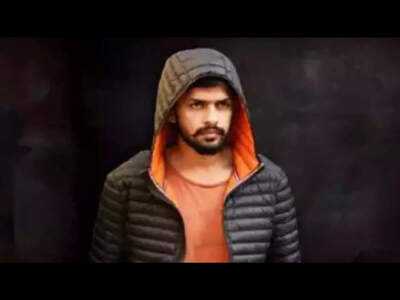
Hero Image

Ultimately, it is this social media bragging that became their undoing, drawing the attention and ire of international law enforcement and culminating in a sweeping US indictment.

BIG Twist In Nijjar Case: Canadas India Mistake, Operation Hard Ball & FBIs Bishnoi Bombshell

This unprecedented retaliation by the US law enforcement agency once again put the spotlight squarely on the vast network of Punjab-based gangs that have evolved into a high-profile transnational network.

The US indictments underscore the heavy footprint of Punjab's criminal underworld, prominently implicating figures such as Jaggu Bhagwanpuria, Sukhraj Kang, Goldy Brar, and Ravinder Singh Dhanda alongside Lawrence Bishnoi, who all rode the wave of illegal immigration to enter the US and Canada. Amid this dominant Punjab-centric network, Rohit Godara stands out as the sole high-ranking operative from Rajasthan.

The indictments say that Brar, a childhood friend of defendant Bishnoi, directed the North American operations, Sukhraj Singh Kang operated from India, while Godara directed the European operations of the network.

The unsealed documents also detail Bishnoi's infiltration into the trucking business, which has a large number of youths from Punjab, alleging that it was heavily used for transporting drugs.

It mentions how Bishnoi, Kang and Brar coordinated with fellow members to plan routes and secure protection for long-haul semi-trucks smuggling cocaine and methamphetamine across the US and to the Canadian border.

It goes on to detail how the quartet targeted prominent cultural, political and business leaders in India and diaspora communities outside of India. "The trio frequently claimed public responsibility for these violent acts, including through videos and written messages publicly posted online. The Bishnoi OCG (organised crime group) used the high-profile violence and its public promotion to cultivate a widespread climate of fear and to fuel the notion that it was beyond the reach of law enforcement," the documents say while citing the cases of Sidhu Moose Wala, Salman Khan and others.
