
Visa Denied? 7 Common Errors That Could Be the Cause

These days, with Instagram timelines looking like personal travel vlogs, applying for a visa can feel intimidating. One slip-up, and your dream holiday, overseas job, or study plans could be put on hold. The visa process demands precision, honesty, and careful attention to detail-yet many applicants make avoidable rookie mistakes that lead to rejection. From incomplete forms to missing documents, here are some common errors that could cost you your visa.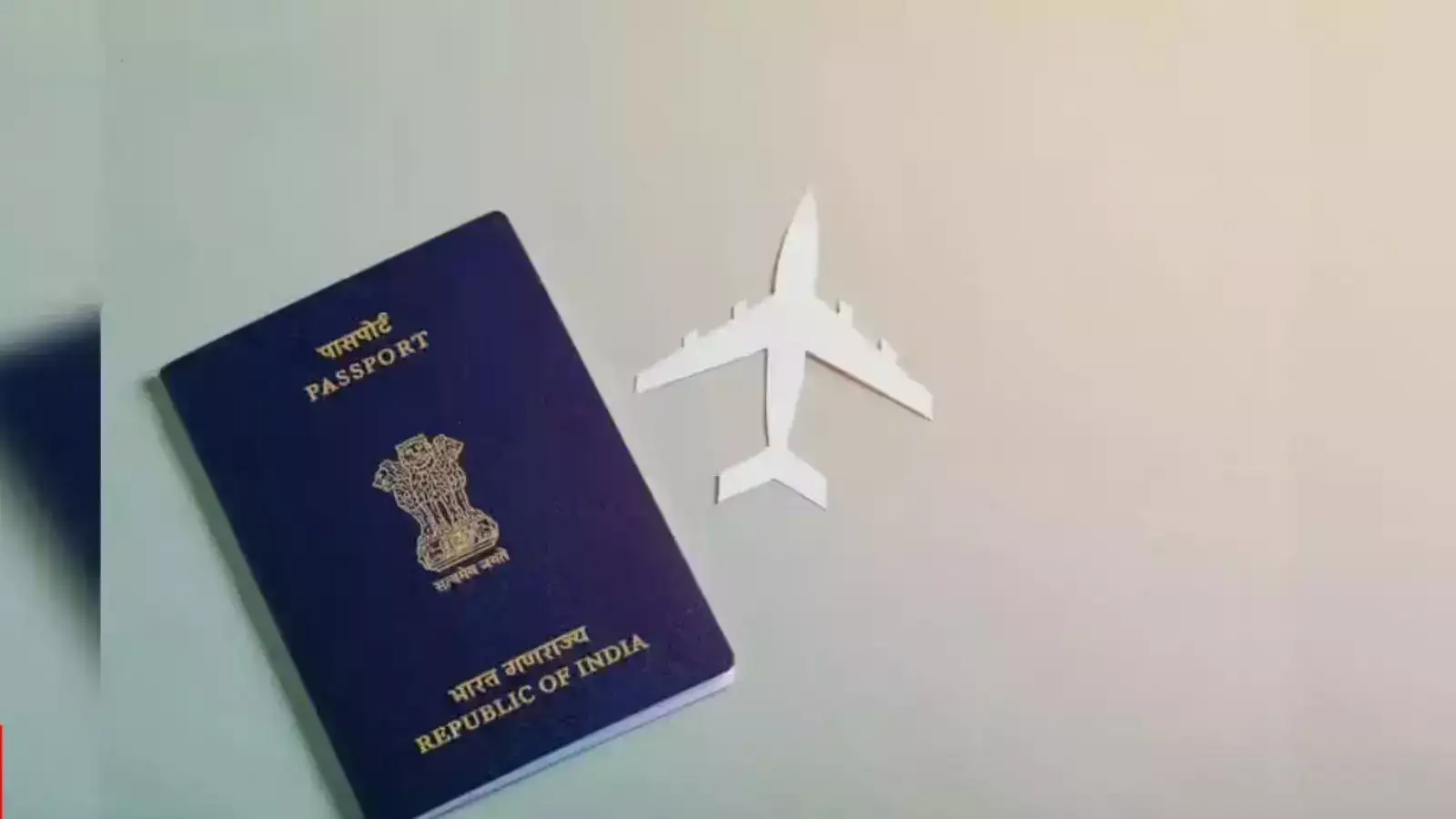
Each visa type comes with its own set of required documents-anything from bank statements to confirmed itineraries. Failing to provide a complete set signals carelessness. Before starting your application, create a checklist from the official embassy website. Ensure all documents are up-to-date, clearly printed, and neatly arranged.
Applying under the wrong visa type-like requesting a tourist visa when attending a business event—can trigger rejection. Research your destination’s visa categories and align them with your true purpose of travel. If unsure, reach out to the embassy for guidance before applying.
Overstays, missing exit stamps, or previous visa refusals will show up in your record. Don’t conceal them—address issues honestly, backed with explanations or relevant documents. Openness can work in your favor more than hoping the authorities overlook them.

It can. A past refusal may lead to closer scrutiny, especially if it involved false information or missing documents. However, by addressing the reasons for rejection and reapplying with a stronger, error-free application, you still stand a good chance of approval.
There’s no fixed global waiting period, and many embassies allow you to reapply immediately. However, it’s smarter to wait until you’ve addressed the issue that led to the rejection-whether that means updating documents, strengthening financial proof, or choosing the correct visa type.
Avoid these common mistakes, and you’ll be one step closer to timely visa approval.
7 Costly Visa Errors That Could Lead to a Rejection
1. Errors or Gaps in Application Forms
Visa officers handle hundreds of applications daily, and even one missing field or wrong date can trigger a rejection. Take time to read the instructions carefully, fill out every section, and avoid rushing. Double-check the spelling of names, passport numbers, and dates against your official documents before submission.
2. Missing or Incomplete Supporting Papers
Each visa type comes with its own set of required documents-anything from bank statements to confirmed itineraries. Failing to provide a complete set signals carelessness. Before starting your application, create a checklist from the official embassy website. Ensure all documents are up-to-date, clearly printed, and neatly arranged.
3. Mismatched Details Across Documents
If the details on your form don’t match those on your supporting documents, it can raise red flags. Even small discrepancies-like mismatched middle names, outdated addresses, or varying signatures-can cause problems. Review your passport, ID, bank statements, and bookings to ensure every document reflects the same, correct information.You may also like
- 'Rahul Gandhi called me': Mamata says LoP offered to fly Abhishek Banerjee to Hyderabad for treatment
- IMD warns Delhi NCR of thunderstorms dust storms strong winds
- Bihar cancels over 5.5L ration cards after review flagged 8.19L
- SC: Child's right to know father outweighs privacy
- Armed forces fully prepared for 'Op Sindoor 2.0', future conflicts will extend beyond conventional battlefields: General Dwivedi
4. Weak Financial Documentation
Visa officers need proof you can sustain yourself abroad without resorting to illegal work or overstaying. Submitting low bank balances or unclear income sources can harm your case. Maintain a steady, healthy account balance, provide 3–6 months of statements, and explain any unusually large transactions.
5. Choosing the Wrong Visa Category
Applying under the wrong visa type-like requesting a tourist visa when attending a business event—can trigger rejection. Research your destination’s visa categories and align them with your true purpose of travel. If unsure, reach out to the embassy for guidance before applying.
6. Ignoring Past Travel Record Problems
Overstays, missing exit stamps, or previous visa refusals will show up in your record. Don’t conceal them—address issues honestly, backed with explanations or relevant documents. Openness can work in your favor more than hoping the authorities overlook them.
7. Rushed, Last-Minute Applications
Submitting your application too close to your travel date leaves no buffer for corrections or additional paperwork. Processing times vary-some take weeks, others months. Apply at least 2–3 months in advance to avoid unnecessary stress and potential rejection.Can Your Visa Still Be Rejected After Submission?
Yes. Submitting the form is not a guarantee of approval. Your application will still go through a detailed review where officials verify documents, check details, and assess eligibility. Any mismatch, missing paperwork, or an unsuccessful interview can result in rejection.Can You Get a Refund on Your Visa Fee if Denied?
In most cases, no. Visa fees are typically non-refundable, as they cover processing costs, not the final decision. Some premium or add-on services may refund certain charges, but the core application fee is almost never returned.
Will a Visa Rejection Impact Future Applications?
It can. A past refusal may lead to closer scrutiny, especially if it involved false information or missing documents. However, by addressing the reasons for rejection and reapplying with a stronger, error-free application, you still stand a good chance of approval.
When Can You Reapply After a Visa Rejection?
There’s no fixed global waiting period, and many embassies allow you to reapply immediately. However, it’s smarter to wait until you’ve addressed the issue that led to the rejection-whether that means updating documents, strengthening financial proof, or choosing the correct visa type.
Quick Tips to Boost Your Visa Approval Odds
Before submitting any application, run through this checklist to improve your chances:
- Follow the official embassy guidelines exactly.
- Keep multiple copies of all required documents.
- Prepare clear, confident answers for interview questions.
- Apply well in advance to avoid last-minute pressure.
Avoid these common mistakes, and you’ll be one step closer to timely visa approval.






More from our partners


Loving Newspoint? Download the app now
