
Why Passport, Aadhaar And Voter ID May Not Be The Final Word On Indian Citizenship

For most people, a passport, Aadhaar card or voter ID feels like solid proof of belonging to India. These are the documents people rely on for travel, banking, welfare services, voting and countless official tasks. That is why the suggestion that they may not amount to final proof of citizenship has sparked confusion and concern.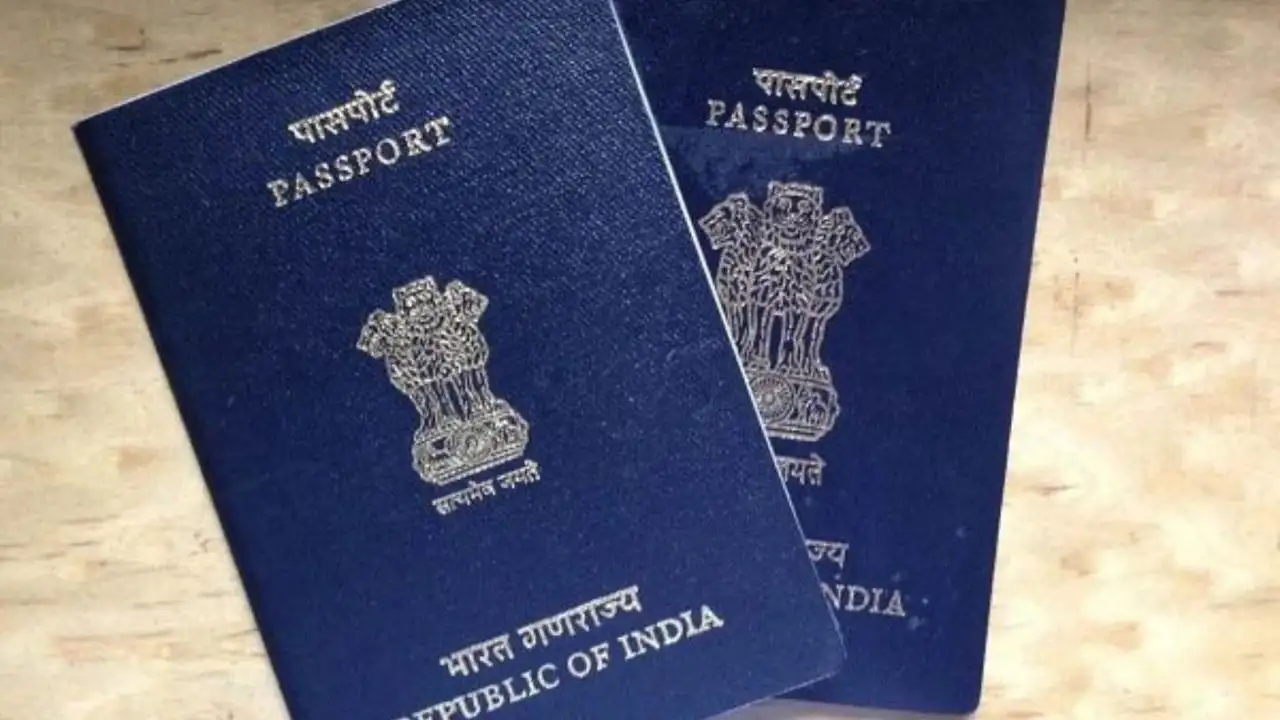
The issue lies in the difference between everyday identification and strict legal proof. A document may be enough to establish identity, residence or eligibility for a service, but citizenship can be judged by a narrower legal test. Under India’s legal framework, the answer often depends not on a single commonly held ID, but on how citizenship was acquired and what records support that status.
The same broad distinction applies to Aadhaar and voter ID. Aadhaar is meant to establish identity and residence for access to services. A voter ID confirms inclusion in the electoral system. Both are important documents in public life, but neither is described as a universal citizenship certificate under the legal framework discussed here.
For those who are citizens by birth, the position is more layered. In such cases, a birth certificate can be a key document, but its role depends heavily on the period in which the person was born and the citizenship status of the parents where the law requires it.
For people born in India between 26 January 1950 and 1 July 1987, birth in the country itself is presented as the central basis for citizenship. For those born between 1 July 1987 and 3 December 2004, the birth record must be supported by proof that at least one parent was an Indian citizen at the time of birth.
For individuals born after 3 December 2004, the conditions become stricter. In these cases, the birth certificate must be backed by evidence that both parents were Indian citizens, or that one parent was an Indian citizen while the other was not an illegal migrant.
The larger point is not that passports, Aadhaar cards or voter IDs are unimportant. They remain essential in everyday life and carry significant evidentiary value. But when citizenship itself comes under legal scrutiny, the answer may rest on historical records and statutory requirements rather than on a single document most people keep in their wallet.
The issue lies in the difference between everyday identification and strict legal proof. A document may be enough to establish identity, residence or eligibility for a service, but citizenship can be judged by a narrower legal test. Under India’s legal framework, the answer often depends not on a single commonly held ID, but on how citizenship was acquired and what records support that status.
Why A Passport Is Not The Last Word
A passport is one of the strongest documents an Indian citizen can hold in practical terms. It allows international travel and serves as proof of nationality in dealings abroad. But in legal terms, it is primarily a travel document. It may strongly support a person’s claim to Indian nationality, yet it is not presented as the final and unquestionable proof of citizenship in every possible dispute.The same broad distinction applies to Aadhaar and voter ID. Aadhaar is meant to establish identity and residence for access to services. A voter ID confirms inclusion in the electoral system. Both are important documents in public life, but neither is described as a universal citizenship certificate under the legal framework discussed here.
The Documents That Carry Greater Legal Weight
Where citizenship has been acquired through registration or naturalisation, the clearest proof comes from official certificates issued under the Citizenship Act, 1955. These include a Certificate of Registration and a Certificate of Naturalisation, granted after the legal process for acquiring citizenship has been completed.You may also like
- Apologise to young people, resign for 'failures': Rahul on Pradhan's 'terrorist' remark
- Amazon CEO meets PM Modi; announces plans to invest additional USD 13 bn in India on AI, cloud infra
- CJP protester attacked with iron rod; Dipke demands SC/ST Act, attempt to murder charges
- 'Students being called terrorists': Rahul Gandhi attacks Modi govt, Pradhan over paper leaks
- 'Make sorry your middle name': BJP mocks Rahul Gandhi over expressing regret in defamation case by Shivraj Singh Chouhan's son
For those who are citizens by birth, the position is more layered. In such cases, a birth certificate can be a key document, but its role depends heavily on the period in which the person was born and the citizenship status of the parents where the law requires it.
Why Year Of Birth Changes The Legal Position
The legal test is not the same for everyone born in India. It changes according to amendments made over time to the citizenship law.For people born in India between 26 January 1950 and 1 July 1987, birth in the country itself is presented as the central basis for citizenship. For those born between 1 July 1987 and 3 December 2004, the birth record must be supported by proof that at least one parent was an Indian citizen at the time of birth.
For individuals born after 3 December 2004, the conditions become stricter. In these cases, the birth certificate must be backed by evidence that both parents were Indian citizens, or that one parent was an Indian citizen while the other was not an illegal migrant.
Why Citizenship Questions Can Become Complex
This is why a citizenship dispute can quickly move beyond modern identity cards. In a strict legal challenge, authorities may look for a chain of documents that matches the rules applicable at the time of birth or acquisition of citizenship. That can include birth records, parental documents and official certificates rather than only the IDs used in daily life.The larger point is not that passports, Aadhaar cards or voter IDs are unimportant. They remain essential in everyday life and carry significant evidentiary value. But when citizenship itself comes under legal scrutiny, the answer may rest on historical records and statutory requirements rather than on a single document most people keep in their wallet.






More from our partners


Loving Newspoint? Download the app now
