
Why Passport, Aadhaar And Voter ID May Not Be The Final Word On Indian Citizenship

For most people, a passport, Aadhaar card or voter ID feels like solid proof of belonging to India. These are the documents people rely on for travel, banking, welfare services, voting and countless official tasks. That is why the suggestion that they may not amount to final proof of citizenship has sparked confusion and concern.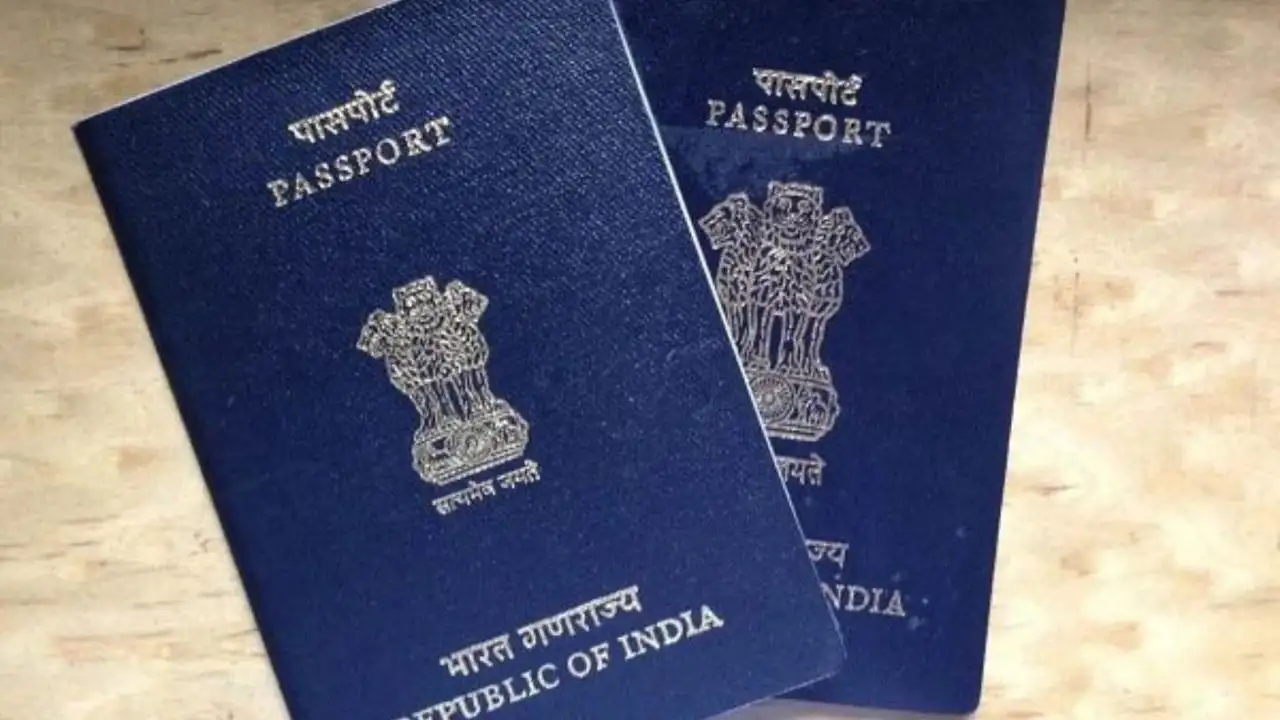
The issue lies in the difference between everyday identification and strict legal proof. A document may be enough to establish identity, residence or eligibility for a service, but citizenship can be judged by a narrower legal test. Under India’s legal framework, the answer often depends not on a single commonly held ID, but on how citizenship was acquired and what records support that status.
The same broad distinction applies to Aadhaar and voter ID. Aadhaar is meant to establish identity and residence for access to services. A voter ID confirms inclusion in the electoral system. Both are important documents in public life, but neither is described as a universal citizenship certificate under the legal framework discussed here.
The issue lies in the difference between everyday identification and strict legal proof. A document may be enough to establish identity, residence or eligibility for a service, but citizenship can be judged by a narrower legal test. Under India’s legal framework, the answer often depends not on a single commonly held ID, but on how citizenship was acquired and what records support that status.
Why A Passport Is Not The Last Word
A passport is one of the strongest documents an Indian citizen can hold in practical terms. It allows international travel and serves as proof of nationality in dealings abroad. But in legal terms, it is primarily a travel document. It may strongly support a person’s claim to Indian nationality, yet it is not presented as the final and unquestionable proof of citizenship in every possible dispute.The same broad distinction applies to Aadhaar and voter ID. Aadhaar is meant to establish identity and residence for access to services. A voter ID confirms inclusion in the electoral system. Both are important documents in public life, but neither is described as a universal citizenship certificate under the legal framework discussed here.
The Documents That Carry Greater Legal Weight
Where citizenship has been acquired through registration or naturalisation, the clearest proof comes from official certificates issued under the Citizenship Act, 1955. These include a Certificate of Registration and a Certificate of Naturalisation, granted after the legal process for acquiring citizenship has been completed.Next Story