
6 Yards of Elegance: Sarees for Every Occasion

Ask anyone who's ever stood in front of a saree rack an hour before a wedding, and they'll tell you - it's never just about picking the prettiest one. A heavy silk that looks incredible at a reception can feel like way too much at a casual lunch. And a breezy chiffon that's perfect for a daytime function just won't carry the same weight at a formal evening event. The trick isn't finding "the best" saree. It's finding the one that actually fits what you're walking into that day.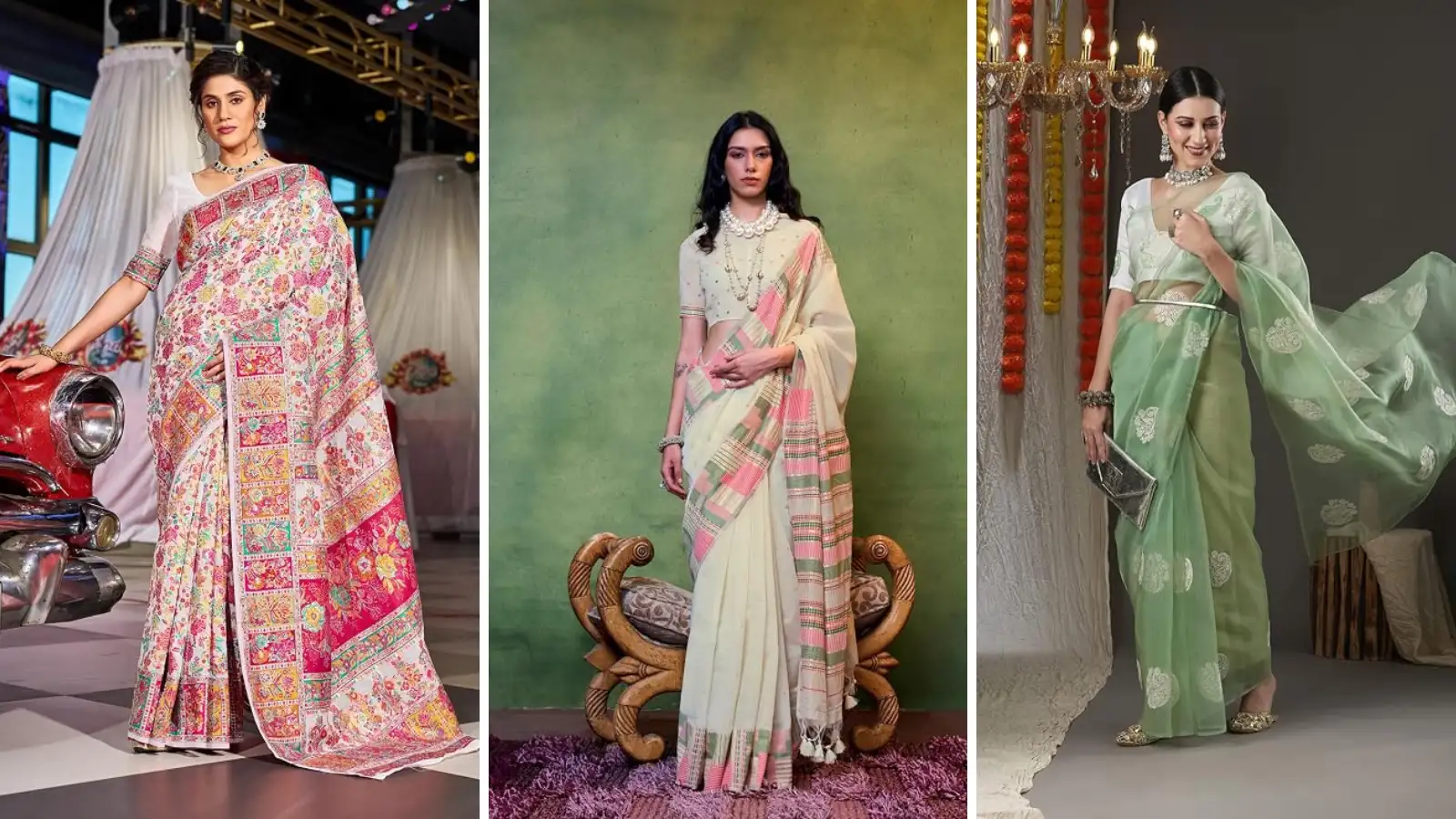
So instead of another list of pretty sarees , here's a straightforward breakdown of the fabrics that show up again and again across weddings, festivals, and everyday wardrobes - what each one is actually good for, and where it falls short.
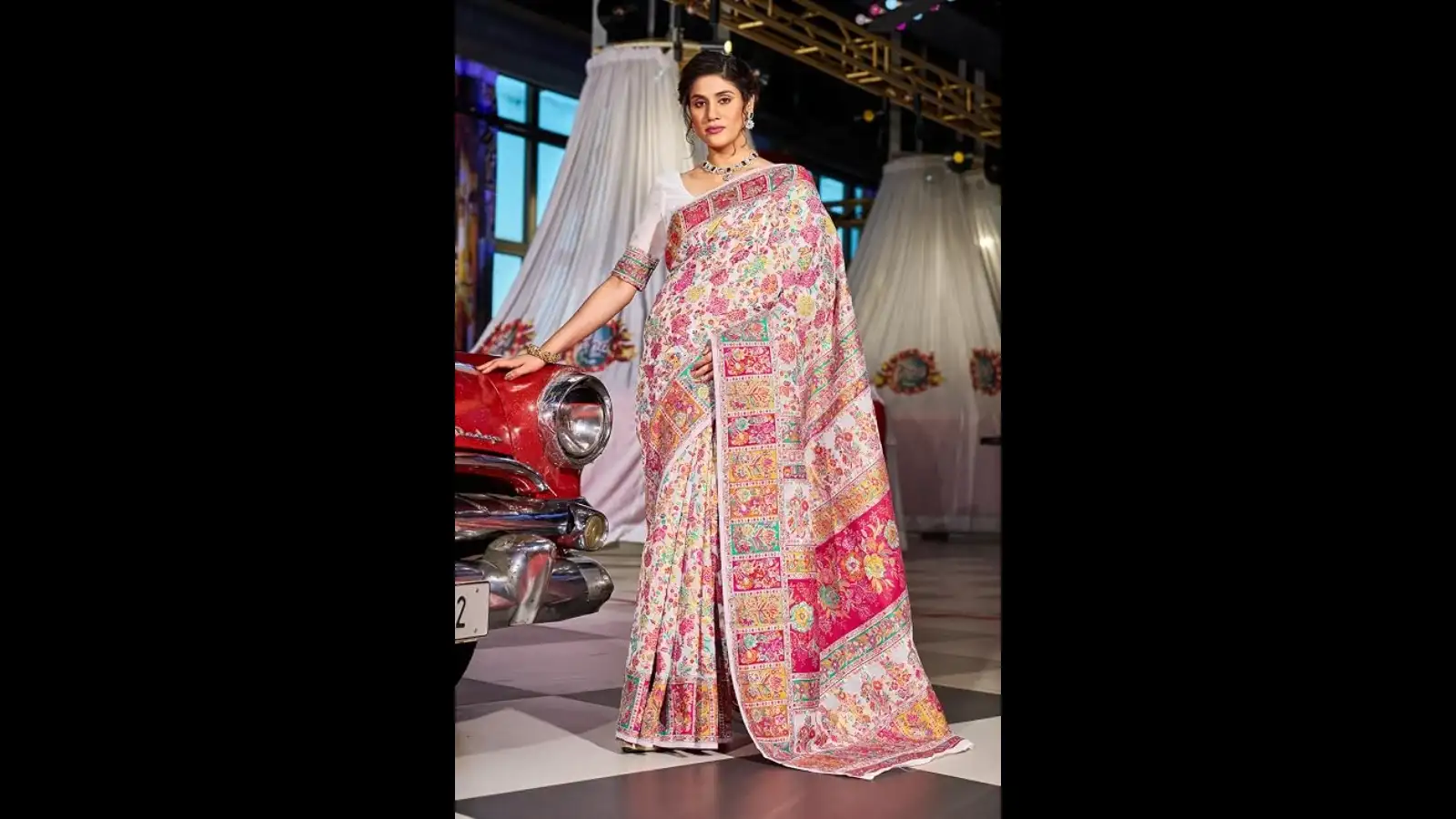
If there's one fabric that instantly says "occasion," it's silk. Kanjivaram and Banarasi weaves in particular have been the wedding-and-reception default for decades, usually finished with zari (metallic thread) borders and a heavier, contrasting pallu.
Cons: can get warm fast in humid weather, almost always needs dry cleaning, and it's usually the pricier option on the rack
Shop Now
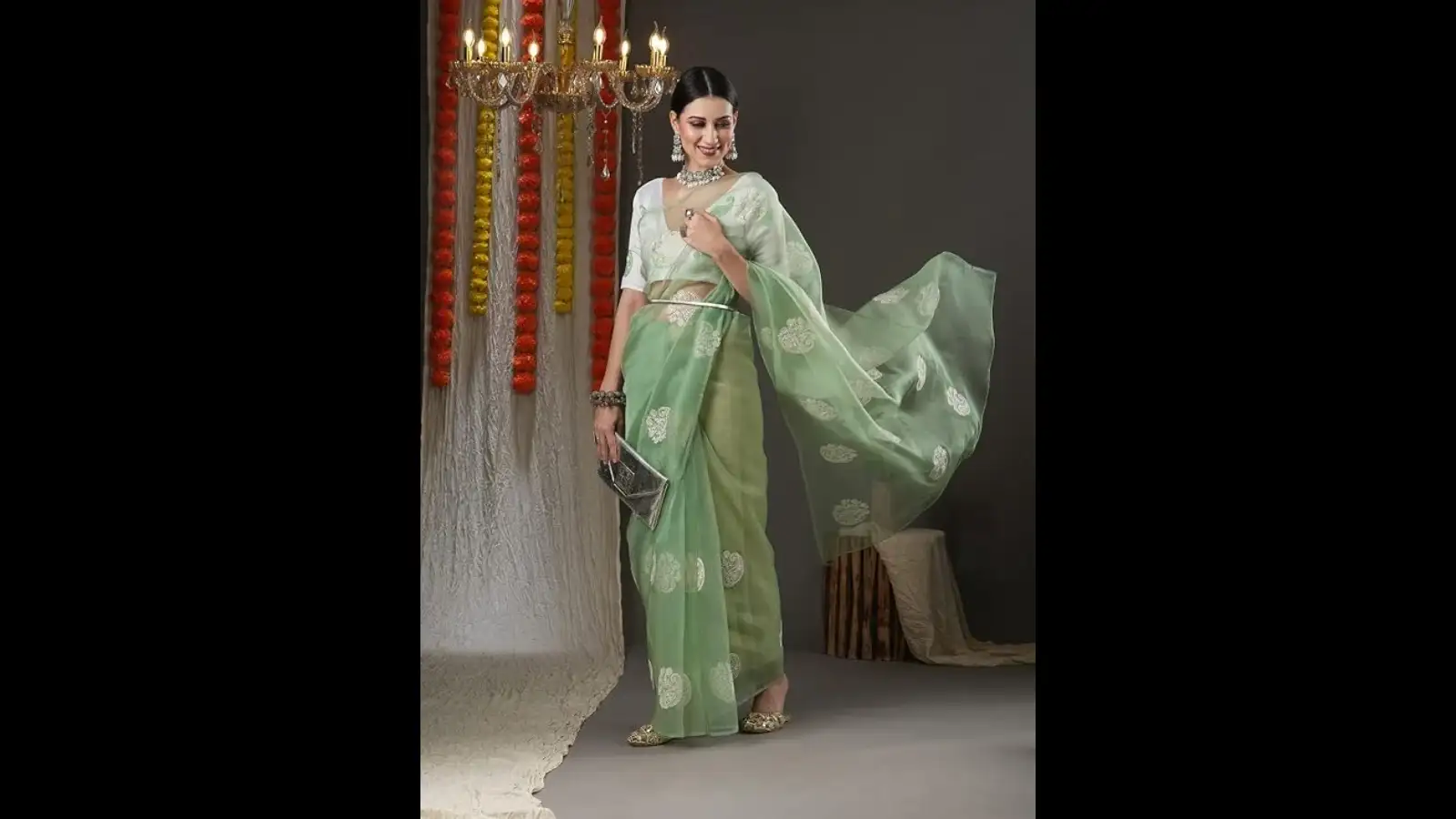
Organza has quietly become the fabric people reach for when they want festive without going full bridal. It's sheer, light, and often embroidered with florals or ethnic motifs 0 dressy, but not heavy-handed about it.
Cons: the sheerness means you'll likely need a proper underskirt, it's more delicate than silk, and dry cleaning is basically non-negotiable
Shop Now
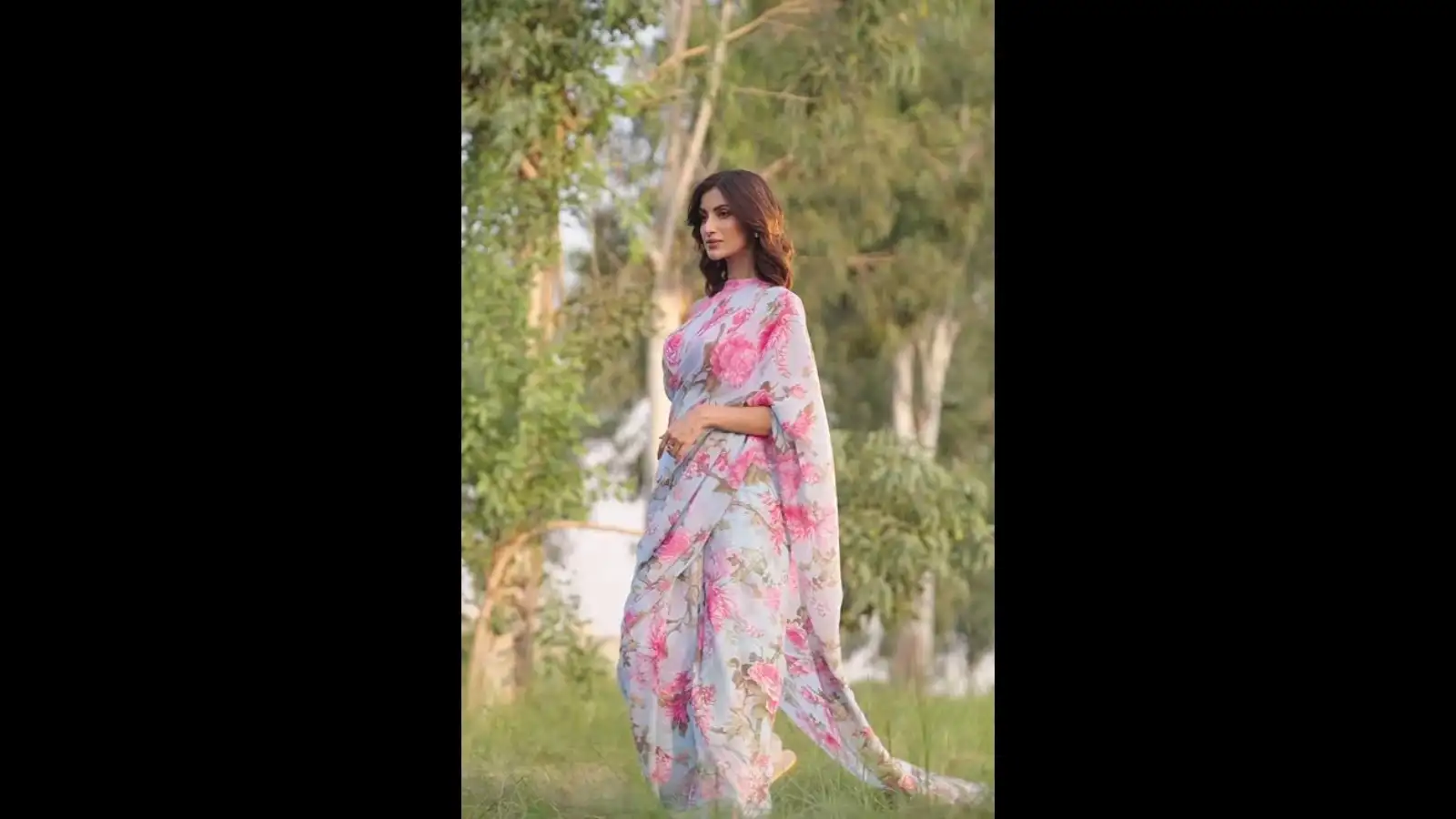
Chiffon is the one you reach for when comfort actually matters more than how much embellishment is involved - regular days, casual family functions, lighter festive moments.
Cons: the drape is looser and less "structured" than silk, can read as too casual for a formal event, and cheaper versions can snag more easily.
Shop Now
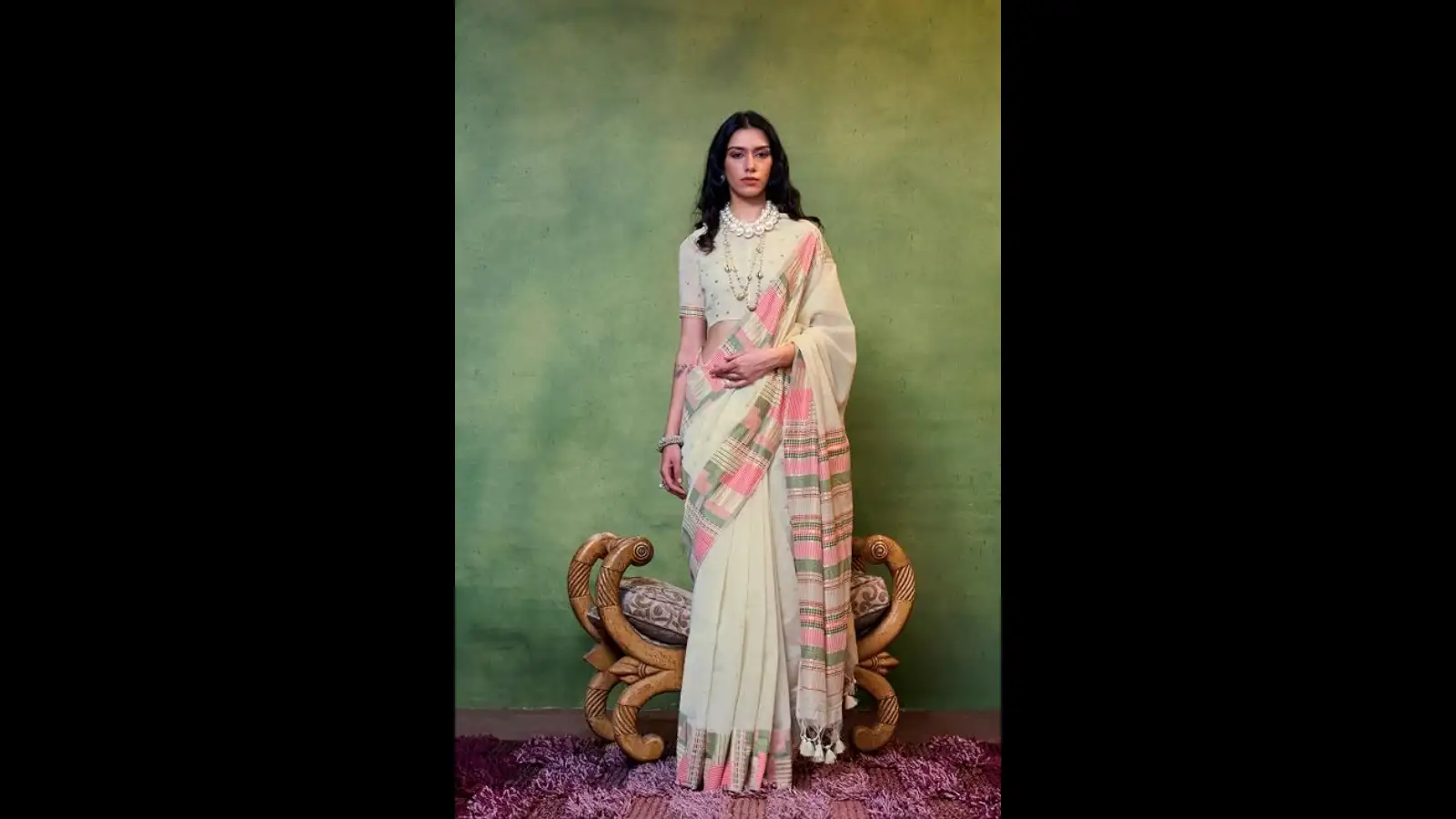
This is the fabric for when you don't want to fully commit to silk's weight or price tag, but still want that slight richness. Cotton-silk blends borrow some of silk's zari detailing in a lighter, more breathable form.
Cons: won't last quite as long as pure silk, reads slightly less formal, and quality really does vary a lot from brand to brand.
Shop Now
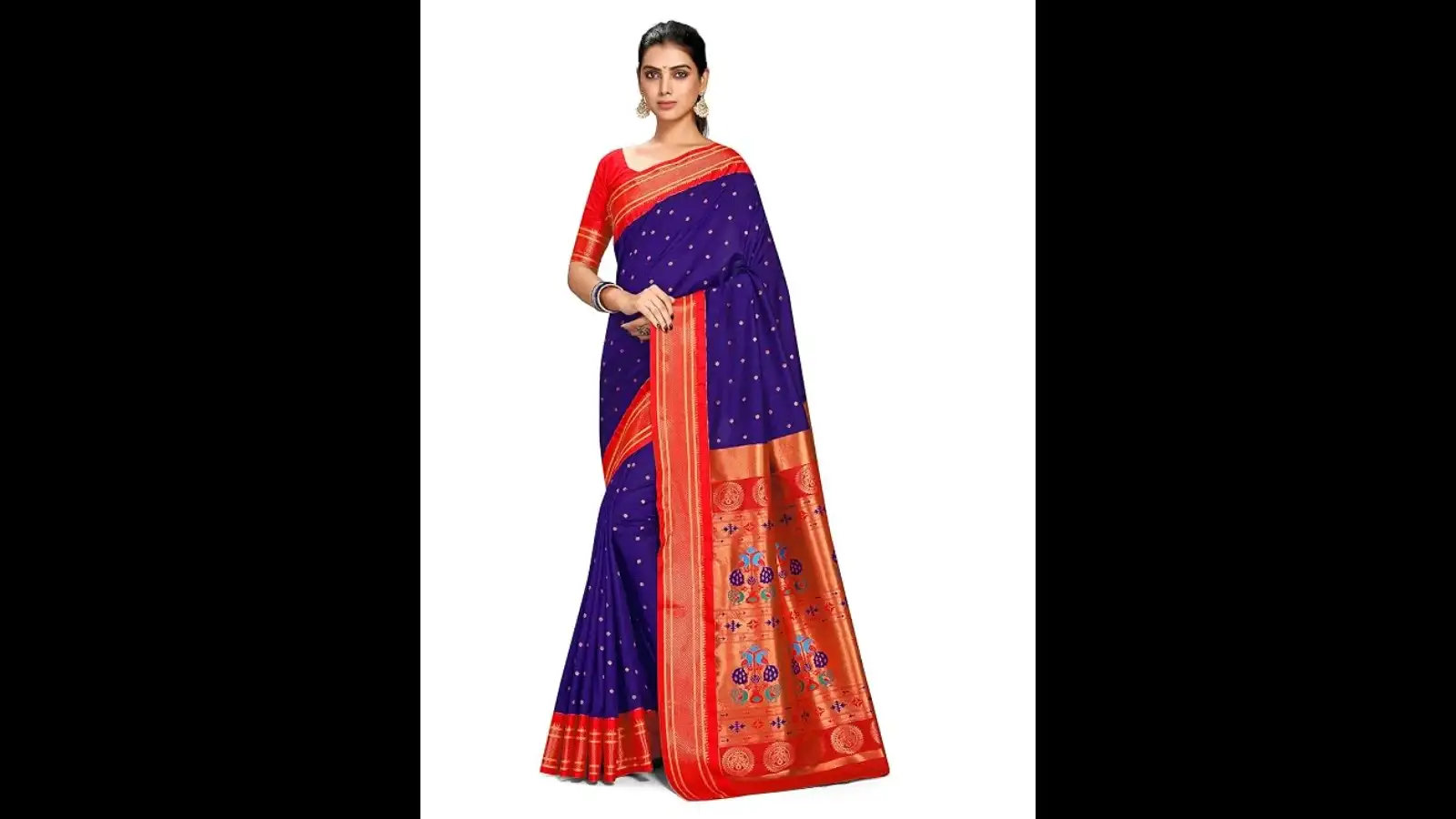
These bring in specific regional weaving traditions - peacock motifs, distinctive borders, heavy zari pallus - and they're usually saved for weddings, religious functions, or anything with real cultural weight behind it.
Shop Now
Disclaimer: The information provided in this article is intended to help readers make informed purchasing decisions and should not be interpreted as an endorsement of any product or brand by Times Internet. Some links may be affiliate links, through which Time Internet may earn a commission if you make a qualifying purchase, at no extra cost to you.
So instead of another list of pretty sarees , here's a straightforward breakdown of the fabrics that show up again and again across weddings, festivals, and everyday wardrobes - what each one is actually good for, and where it falls short.
1. SWORNOF Kanjivaram Silk Saree
If there's one fabric that instantly says "occasion," it's silk. Kanjivaram and Banarasi weaves in particular have been the wedding-and-reception default for decades, usually finished with zari (metallic thread) borders and a heavier, contrasting pallu.
- The zari work on the border and pallu does most of the heavy lifting visually - it doesn't need much else added
- The fabric holds its shape well, so the drape looks deliberate rather than loose or crumpled by evening
- Usually comes with an unstitched blouse piece, which is genuinely handy if you like getting things tailored to fit
- Makes the most sense for weddings, receptions, and anything where you're expected to show up looking formal
Cons: can get warm fast in humid weather, almost always needs dry cleaning, and it's usually the pricier option on the rack
Shop Now
2. Akhilam Organza Saree
Organza has quietly become the fabric people reach for when they want festive without going full bridal. It's sheer, light, and often embroidered with florals or ethnic motifs 0 dressy, but not heavy-handed about it.
- The lightness means it genuinely moves when you walk, which sounds small but makes a real difference through a long event
- Embroidery adds richness without the bulk that heavier fabrics carry
- Works well for Diwali get-togethers, sangeet nights, evening festive functions - anything in that "dressed up but not a wedding" zone
- Pairs naturally with kundan or polki jewelry if you're going for a classic finish
Cons: the sheerness means you'll likely need a proper underskirt, it's more delicate than silk, and dry cleaning is basically non-negotiable
Shop Now
3. Garden Vareli Floral Print Nara Chiffon Saree
Chiffon is the one you reach for when comfort actually matters more than how much embellishment is involved - regular days, casual family functions, lighter festive moments.
- Drapes easily without a lot of fuss or pinning
- Usually comes in printed or floral patterns, so you get color and personality without needing embroidery
- Holds up well against wrinkles, which matters if you're wearing it through a full day
- Fits daytime events, office festive wear, or a casual family gathering far better than silk ever would
Cons: the drape is looser and less "structured" than silk, can read as too casual for a formal event, and cheaper versions can snag more easily.
Shop Now
4. Soft Cotton-Silk Blend Saree
This is the fabric for when you don't want to fully commit to silk's weight or price tag, but still want that slight richness. Cotton-silk blends borrow some of silk's zari detailing in a lighter, more breathable form.
- Similar jacquard or zari work to pure silk, minus the heft
- Noticeably cooler to wear than pure silk, especially in warmer months
- Sits nicely between "festive" and "dressed-up casual" - genuinely one of the more versatile options
- Often comes with a matching unstitched blouse piece, same as the silk versions
Cons: won't last quite as long as pure silk, reads slightly less formal, and quality really does vary a lot from brand to brand.
Shop Now
5. Varkala Paithani Silk-Blend Saree
These bring in specific regional weaving traditions - peacock motifs, distinctive borders, heavy zari pallus - and they're usually saved for weddings, religious functions, or anything with real cultural weight behind it.
- The motifs and border work aren't just decorative, they're tied to specific regional weaving styles
- The zari-heavy pallu gives it a very recognizable, distinct look
- Comes with a matching unstitched blouse piece as part of the total length
- Best suited to traditional ceremonies and heritage-focused events, not everyday wear
Shop Now
Quick Comparison
| Saree Type | Best For | Comfort Level | Formality |
| Silk (Kanjivaram/Banarasi) | Weddings, receptions | Moderate | High |
| Organza | Festive functions, sangeet | High | Medium-High |
| Chiffon | Casual wear, daytime events | Very High | Low-Medium |
| Cotton-Silk Blend | Multi-purpose, festive-casual | High | Medium |
| Paithani/Regional Silk | Traditional ceremonies | Moderate | High |
The Bigger Takeaway
There isn't really a single "best" saree - just the one that actually fits the day you're dressing for. Silk earns its place at a wedding. Organza makes sense for a festive evening. Chiffon is what you want for something casual and long. Once you start thinking about occasion first, instead of just grabbing whatever's prettiest, building a saree wardrobe gets a lot simpler - and you end up with something that actually fits the moment, all six yards of it.Disclaimer: The information provided in this article is intended to help readers make informed purchasing decisions and should not be interpreted as an endorsement of any product or brand by Times Internet. Some links may be affiliate links, through which Time Internet may earn a commission if you make a qualifying purchase, at no extra cost to you.
Next Story