
Festive Fashion for Little Ones: A Parent's Guide to Ethnic Wear That Works

Dressing kids for festival season is its own small art form. You want something that photographs well, holds up through a few hours of running around at a family gathering, and - let's be honest - doesn't turn into a battle to get them into it in the first place. The good news is that kids' ethnic wear has come a long way from stiff, itchy fabrics and fussy layers. Here's a practical look at the main styles you'll come across this season, what actually works about each, and where they tend to fall short.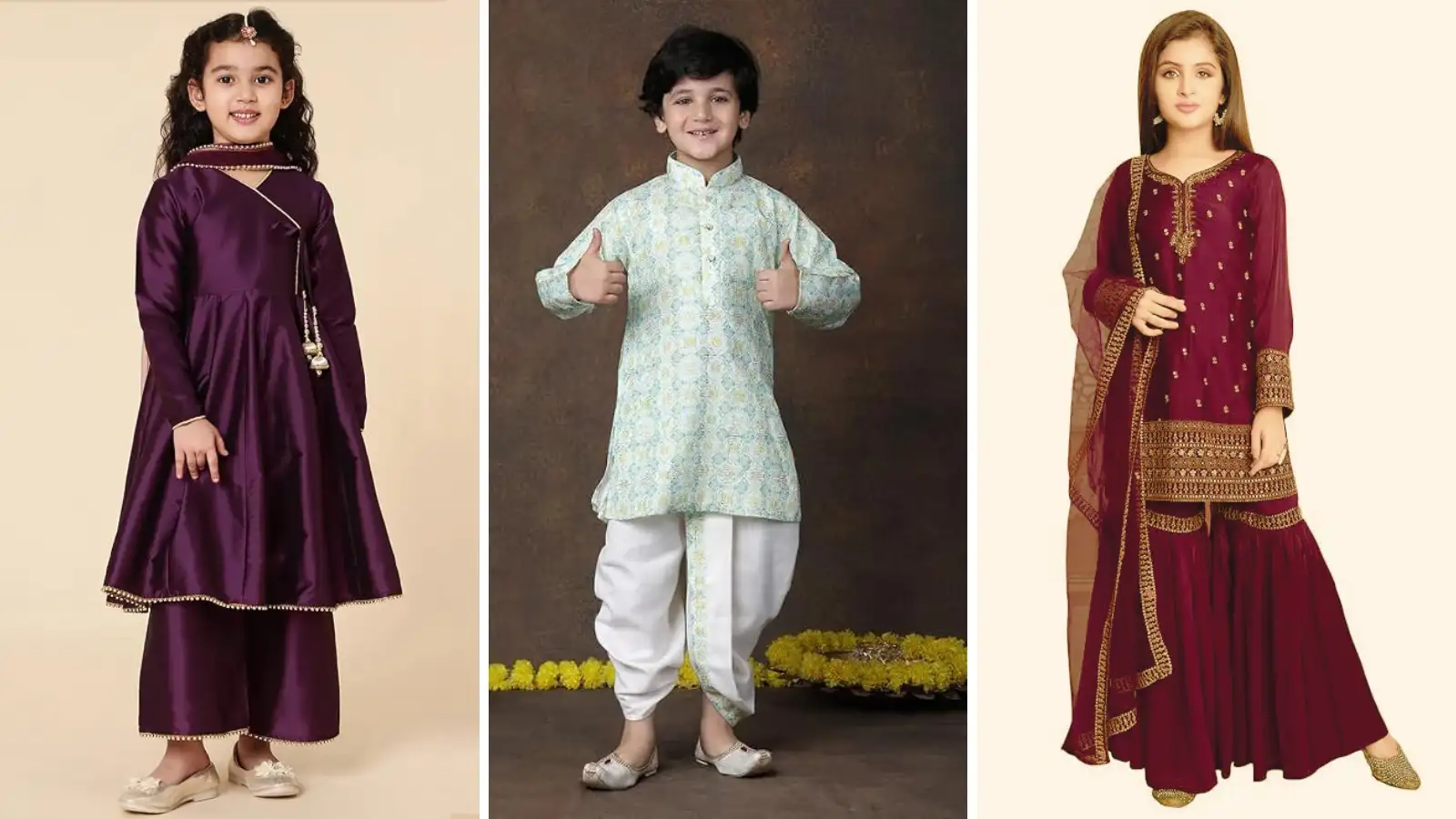
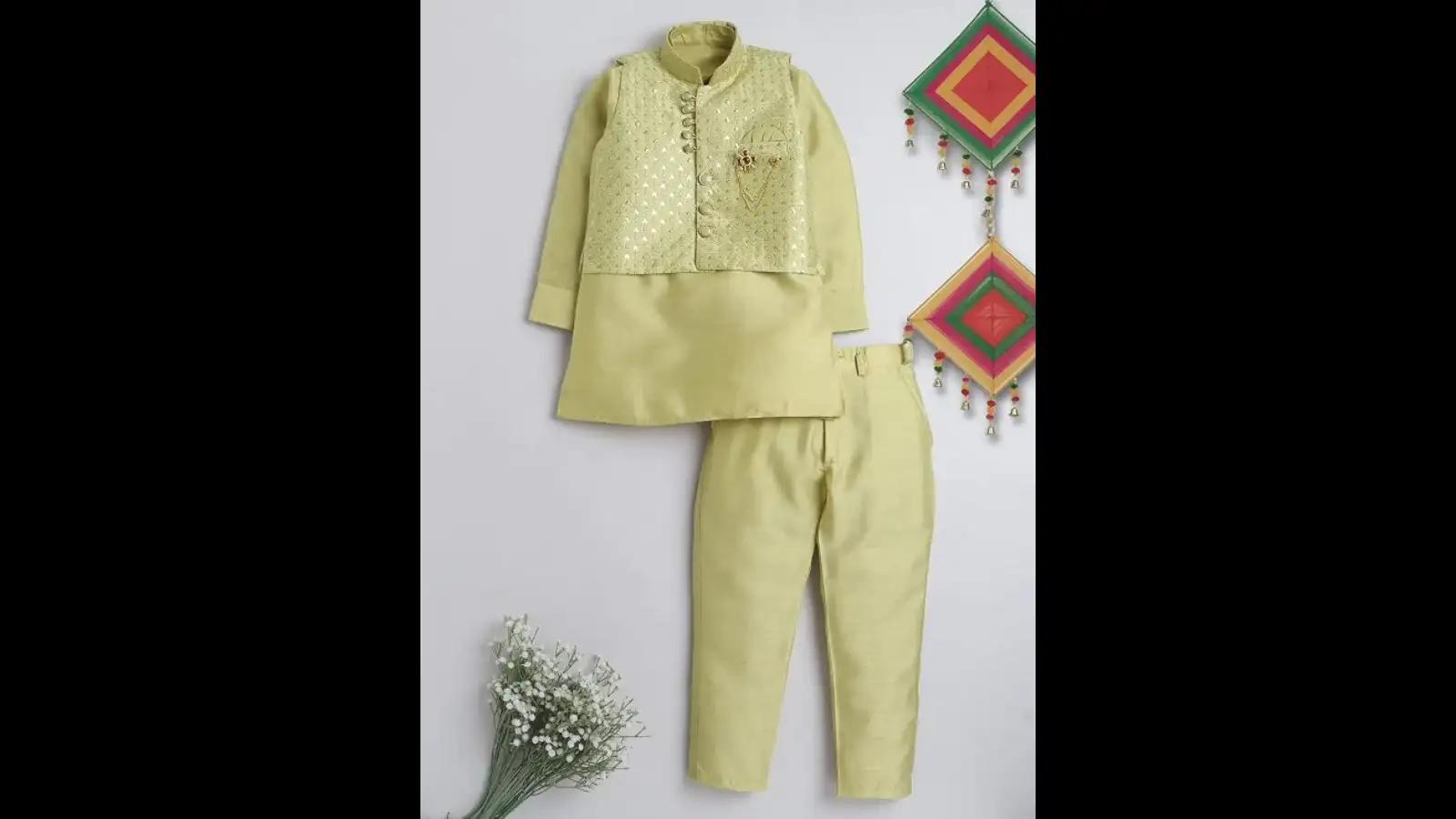
This is the classic pick for boys, and for good reason - it's easy to move in, easy to layer, and it photographs well without needing much styling. A typical set pairs a kurta with a matching (or contrasting) waistcoat or Nehru jacket and a pyjama bottom.
What to look for:
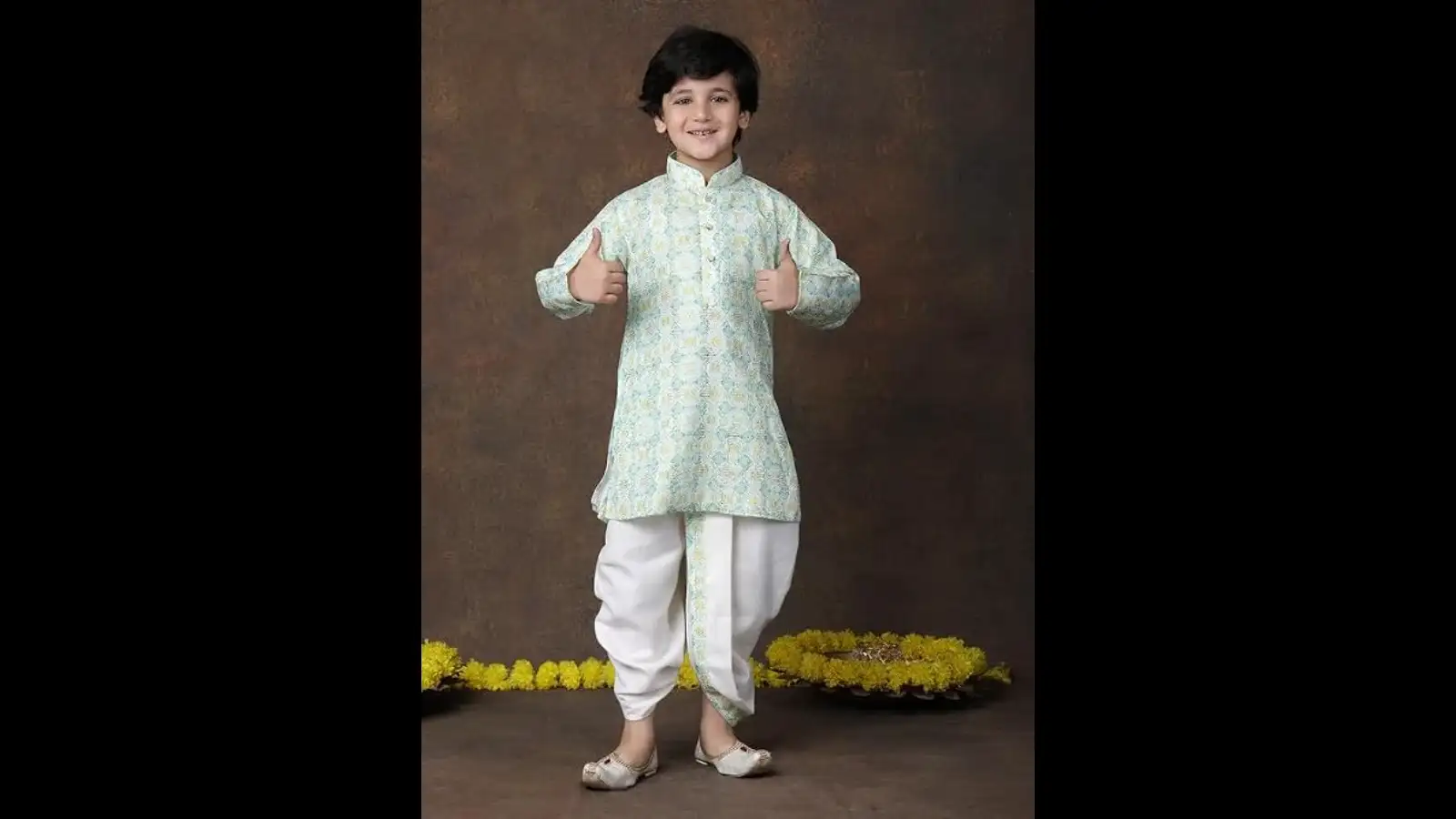
For younger kids especially, simple printed cotton kurta sets (often paired with a dhoti or straight pyjama) are the most forgiving option. They're breathable, machine-washable in most cases, and don't come with delicate embellishments that need special handling.
Why this works well for festivals:
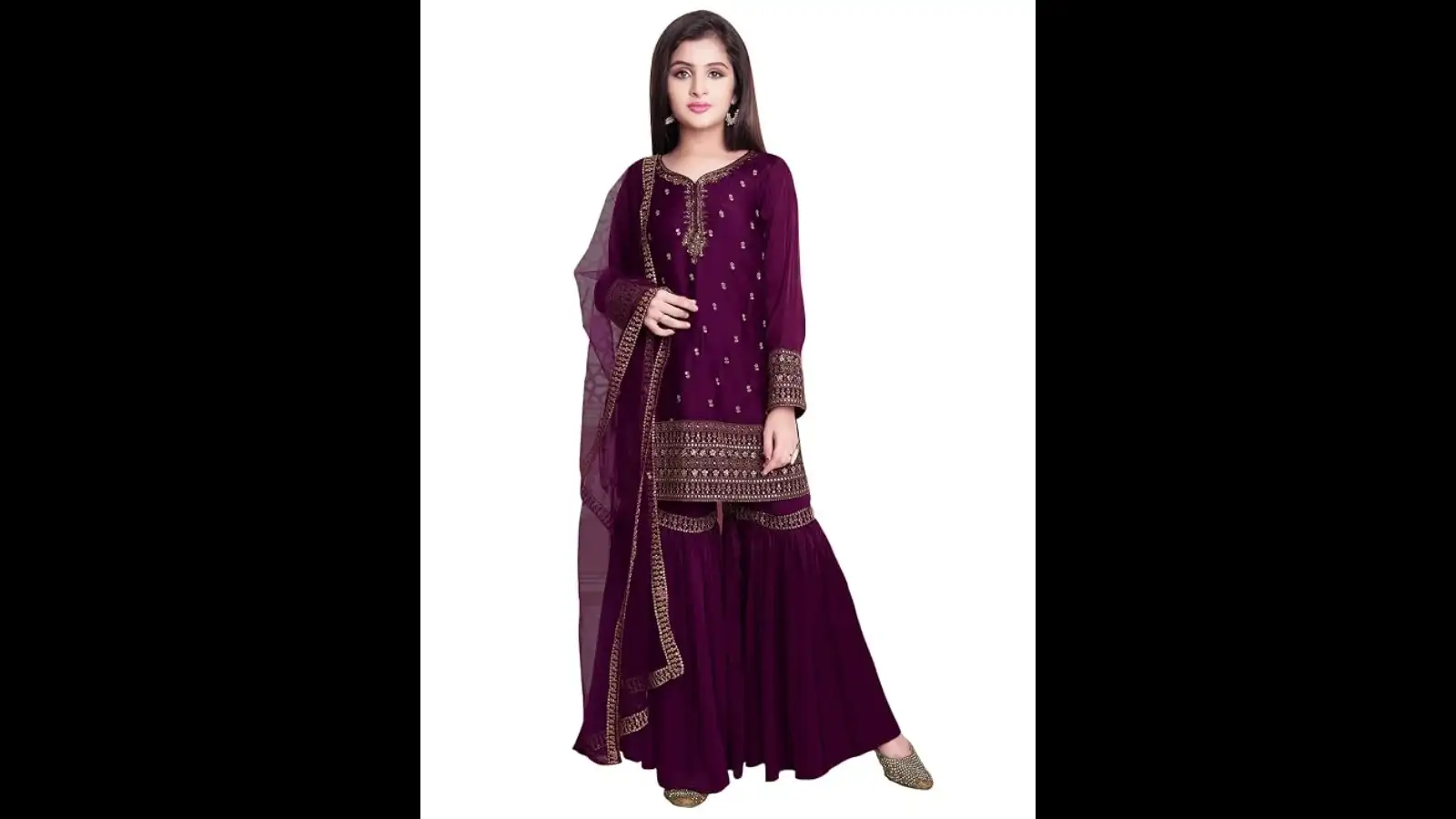
A Sharara suit - a fitted or embroidered top paired with wide, flared pants and a dupatta - has become one of the most popular festive picks for girls in recent years. It has movement and drama without being as heavy as a full lehenga.
A few practical notes:
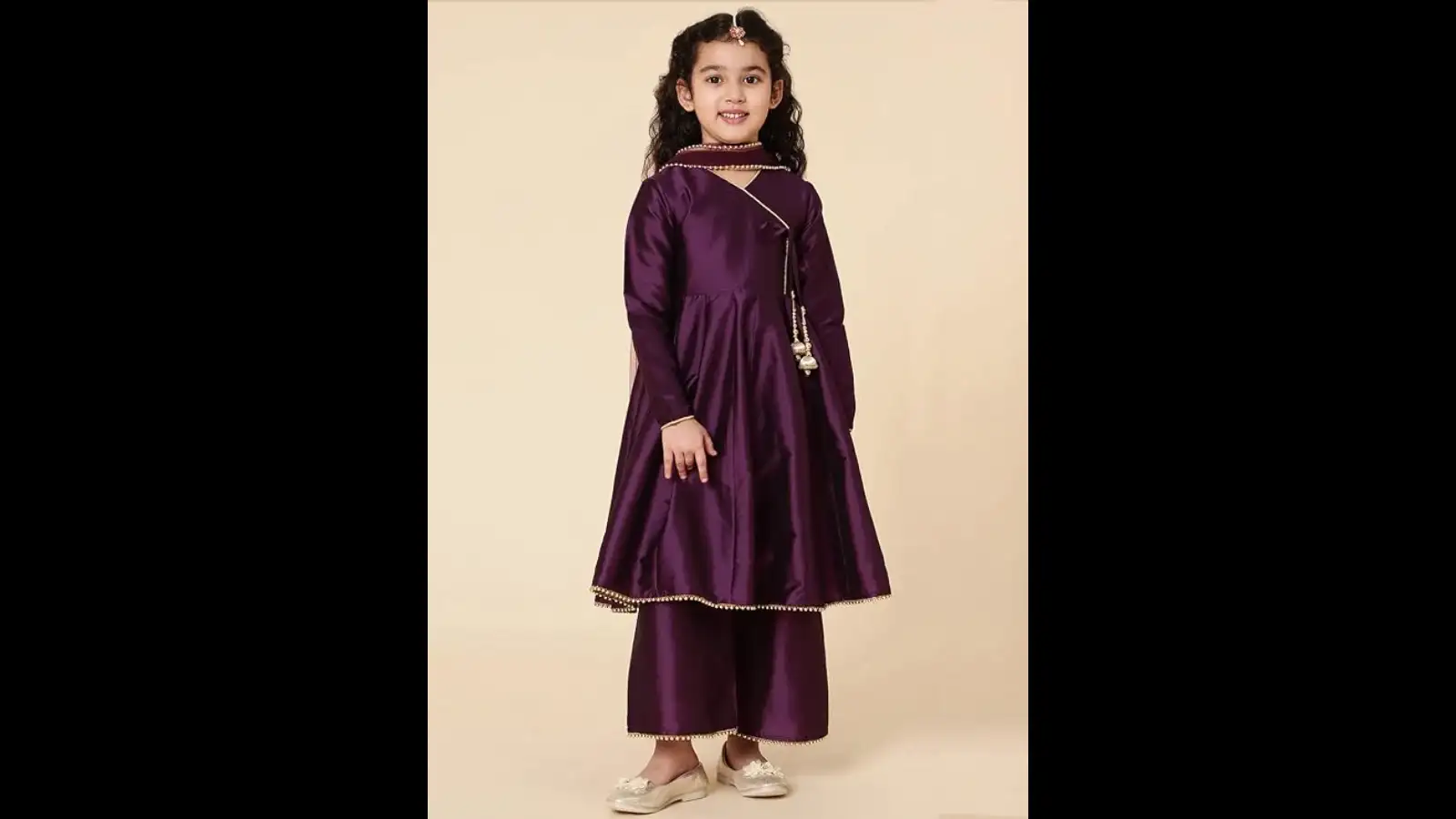
The Anarkali silhouette - a flared, floor-grazing kurta paired with palazzo pants - sits somewhere between formal and comfortable. It has the flowing, festive look of a gown but with pants underneath, which makes it more practical for kids who'll be sitting on the floor for a puja or running between relatives at a gathering.
Good to know:
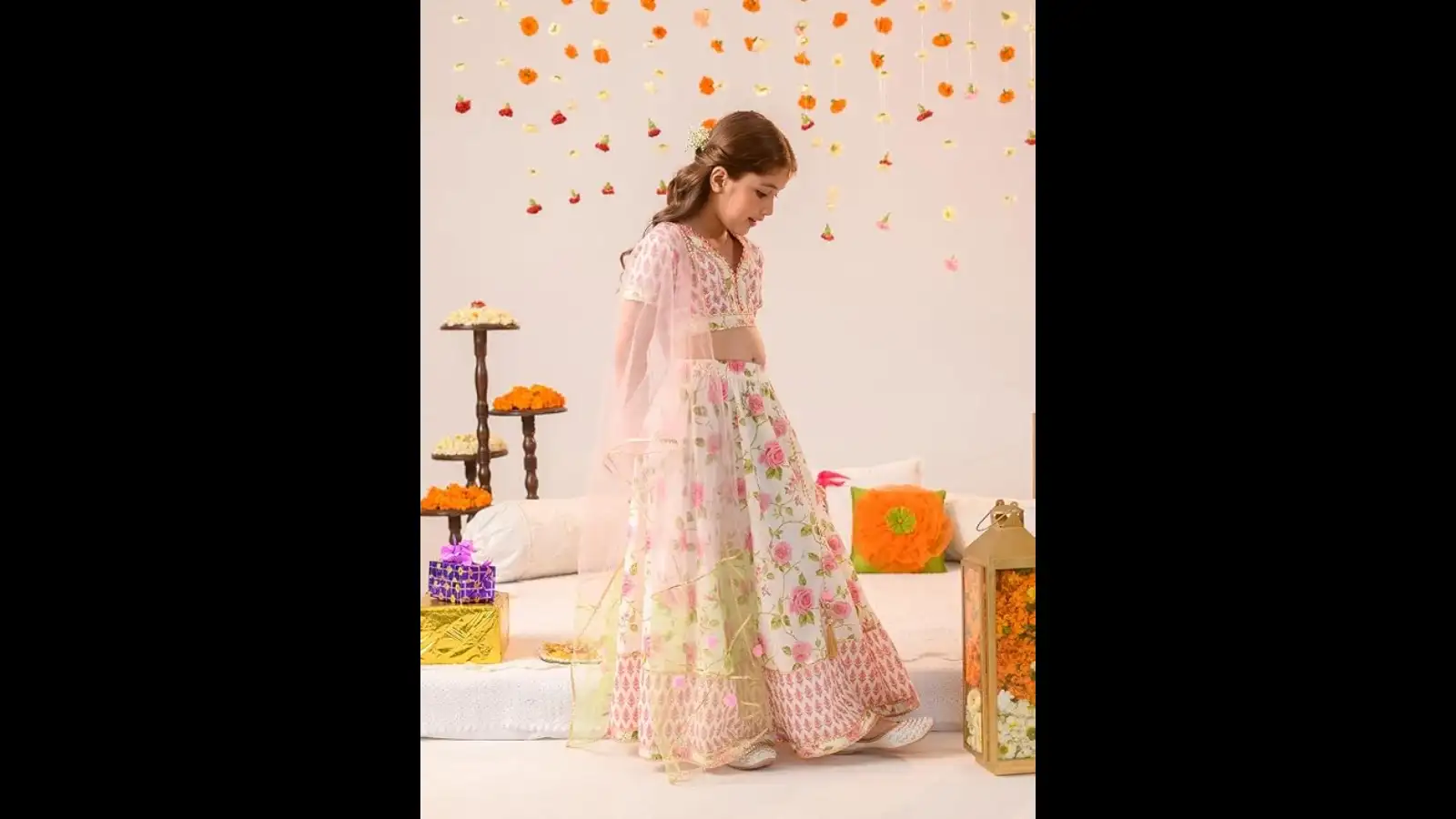
A lehenga and choli set with a dupatta is the most traditionally "dressed up" option, and it's usually the one saved for the most special occasions - weddings, big family functions, or the main day of a multi-day festival. Cotton versions are increasingly common and considerably easier to manage than the heavier silk or net versions.
Things to consider:
Disclaimer: The information provided in this article is intended to help readers make informed purchasing decisions and should not be interpreted as an endorsement of any product or brand by Times Internet. Some links may be affiliate links, through which Time Internet may earn a commission if you make a qualifying purchase, at no extra cost to you.
1. Ahhaaa Kids Kurta-Pyjama Sets With Jacket
This is the classic pick for boys, and for good reason - it's easy to move in, easy to layer, and it photographs well without needing much styling. A typical set pairs a kurta with a matching (or contrasting) waistcoat or Nehru jacket and a pyjama bottom.
What to look for:
- Silk-blend fabrics dress up nicely for weddings and formal events
- A separate cotton version works better for daytime festivities or younger kids who move around a lot
- Button-front jackets are easier to get on and off than pullover styles
2. Supermini Cotton Kurta dhoti Sets
For younger kids especially, simple printed cotton kurta sets (often paired with a dhoti or straight pyjama) are the most forgiving option. They're breathable, machine-washable in most cases, and don't come with delicate embellishments that need special handling.
Why this works well for festivals:
- Cotton handles heat and long event days better than silk or georgette
- Mandarin collars and front-button closures make dressing (and undressing, inevitably) faster
- Prints hide small stains better than solid, formal fabrics
3. White Button Girls Sharara Suits
A Sharara suit - a fitted or embroidered top paired with wide, flared pants and a dupatta - has become one of the most popular festive picks for girls in recent years. It has movement and drama without being as heavy as a full lehenga.
A few practical notes:
- Georgette fabric drapes beautifully but can feel warm in crowded indoor events
- Embroidery and sequin work add shine but usually means dry-clean-only care
- The flared pants make it easier for kids to sit, walk, and play compared to a fitted lehenga
4. A.T.U.N. (T-U-N) Anarkali Kurta and Palazzo Sets
The Anarkali silhouette - a flared, floor-grazing kurta paired with palazzo pants - sits somewhere between formal and comfortable. It has the flowing, festive look of a gown but with pants underneath, which makes it more practical for kids who'll be sitting on the floor for a puja or running between relatives at a gathering.
Good to know:
- The flare adds visual drama without restricting leg movement
- Works well layered with a light jacket for cooler months
- Pairs easily with flat juttis or sandals, since there's no fitted hemline to worry about
5. Pspeaches Cotton Printed Lehenga
A lehenga and choli set with a dupatta is the most traditionally "dressed up" option, and it's usually the one saved for the most special occasions - weddings, big family functions, or the main day of a multi-day festival. Cotton versions are increasingly common and considerably easier to manage than the heavier silk or net versions.
Things to consider:
- Cotton lehengas are lighter and more breathable than silk or net for long events
- Drawstring waistbands adjust more easily as kids grow between seasons
- Because most are dry-clean only, factor in a bit of aftercare planning
Quick Comparison
| Style | Best For | Pros | Cons |
| Kurta-Pyjama with Jacket | Boys, weddings & formal events | Easy to layer; dresses up or down; simple to move in | Silk-blend versions often need dry cleaning |
| Printed Cotton Kurta Set | Younger kids, daytime events | Breathable; usually machine-washable; budget-friendly | Less "formal" look for bigger occasions |
| Sharara Suit | Girls, festive parties | Flared pants allow movement; visually striking | Georgette can feel warm; embellished versions need careful care |
| Anarkali Kurta & Palazzo | Girls, pujas & family functions | Comfortable pants underneath; flowing festive look | Longer hemline can catch underfoot on younger toddlers |
| Printed Lehenga Set | Girls, weddings & main festival day | Most traditional, dressed-up option; cotton versions are lighter | Usually dry-clean only; can be less practical for very active kids |
A Few General Tips
- Fit over fashion for younger kids. A slightly looser fit is more comfortable for sitting, playing, and eating - both of which are inevitable at festival gatherings.
- Check the care label before the event, not after. Dry-clean-only pieces need lead time; don't discover this the morning of.
- Layer for temperature swings. A jacket or shawl over a lighter kurta or kurti handles both warm afternoons and cooler evenings.
- Break in new footwear early. Juttis and mojris look great but can be stiff out of the box - a day or two of light wear at home helps.
- Keep a backup outfit on hand for very young kids. Spills and outdoor play are part of the deal, and a spare set saves the day more often than you'd expect.
The Bottom Line
There's no single "right" outfit for festive dressing - it really depends on the child's age, the event's formality, and how much movement the day will involve. A toddler headed to a long family puja will do better in breathable cotton than in a heavily embellished lehenga, while an older kid attending a wedding might actually enjoy the drama of a full Sharara or Anarkali set. The best approach is usually to match the outfit to the day, not the other way around - comfort tends to make for better photos than perfectly pressed silk ever does.Disclaimer: The information provided in this article is intended to help readers make informed purchasing decisions and should not be interpreted as an endorsement of any product or brand by Times Internet. Some links may be affiliate links, through which Time Internet may earn a commission if you make a qualifying purchase, at no extra cost to you.
Next Story