
What Makes a City Walkable and Pleasant to Explore?

Some cities make you want to put your phone away, follow an interesting street and see where it leads. In others, walking a few hundred metres can mean dodging traffic, searching for a pavement or waiting impatiently to cross a busy road. The difference is not simply the city's appearance. It often comes down to how thoughtfully its streets are designed for people.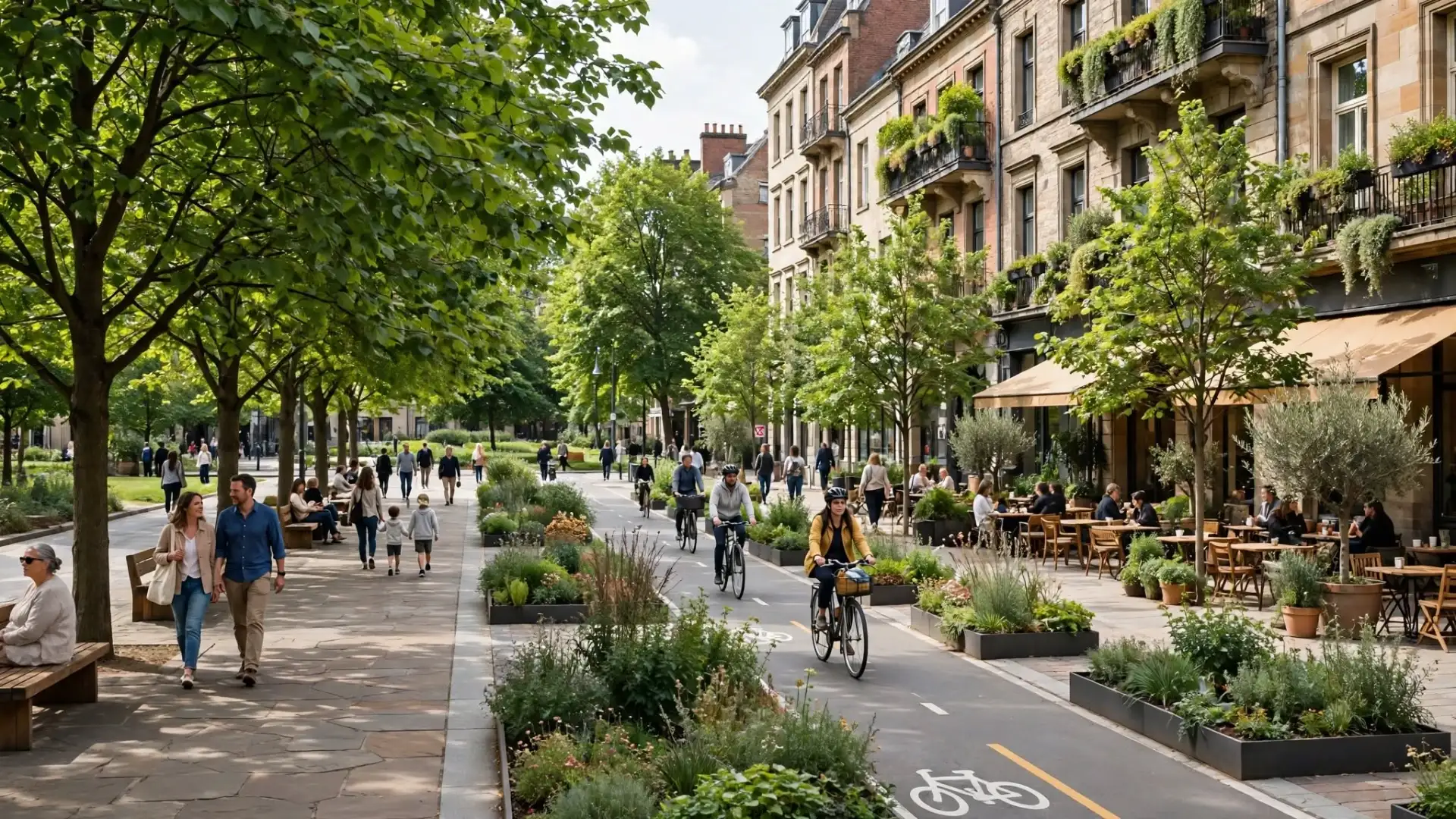
A walkable city allows residents and visitors to reach everyday destinations comfortably on foot. But the best pedestrian-friendly cities do more than connect two points. They make the journey itself enjoyable.
Safe pedestrian crossings, clearly marked signals and slower vehicle speeds also make a difference. When people feel protected from traffic, walking becomes a more practical choice for everyday journeys.
Accessibility matters, too. Smooth paths, dropped kerbs and adequate space help people using wheelchairs, parents with prams and older residents move around more comfortably.
Green spaces also give people places to pause. A small public garden, a tree-lined lane or a park along a walking route can transform an ordinary journey into a more pleasant outing.
These features are especially valuable when people need to walk to shops, schools, offices or public transport stops.
Long stretches of blank walls, vacant plots and uninviting boundaries can make a route feel dull, even when it is technically safe.
Mixed-use neighbourhoods, where homes, workplaces and everyday services exist relatively close together, also reduce the need for long journeys. This is a central principle of walkable city design .
Convenient connections between pavements, stations and bus stops make it easier to travel without depending entirely on private vehicles.
Clean surroundings, good lighting, benches and accessible public facilities further improve the experience.
When these elements come together, walking becomes more than a way to get somewhere. It creates opportunities to discover local businesses, meet neighbours and experience the character of a place.
Ultimately, the best cities to explore on foot are those designed around the people who use them, rather than treating pedestrians as an afterthought.
A walkable city allows residents and visitors to reach everyday destinations comfortably on foot. But the best pedestrian-friendly cities do more than connect two points. They make the journey itself enjoyable.
Safe Pavements Make All the Difference
One of the most important features of walkable cities is a continuous, well-maintained pavement. People should be able to walk without repeatedly stepping into traffic, navigating broken surfaces or squeezing past parked vehicles.Safe pedestrian crossings, clearly marked signals and slower vehicle speeds also make a difference. When people feel protected from traffic, walking becomes a more practical choice for everyday journeys.
Accessibility matters, too. Smooth paths, dropped kerbs and adequate space help people using wheelchairs, parents with prams and older residents move around more comfortably.
Shade and Green Spaces Make Walking Easier
In hot climates, particularly across Indian cities, a lack of shade can turn a short walk into an uncomfortable experience. Trees, covered walkways and shaded seating provide relief from direct sunlight and make streets more inviting.Green spaces also give people places to pause. A small public garden, a tree-lined lane or a park along a walking route can transform an ordinary journey into a more pleasant outing.
These features are especially valuable when people need to walk to shops, schools, offices or public transport stops.
Interesting Streets Encourage People to Explore
A walk becomes more enjoyable when there is something worth noticing along the way. Street-facing shops, cafés, local markets, public art and attractive buildings give people reasons to slow down and explore.Long stretches of blank walls, vacant plots and uninviting boundaries can make a route feel dull, even when it is technically safe.
Mixed-use neighbourhoods, where homes, workplaces and everyday services exist relatively close together, also reduce the need for long journeys. This is a central principle of walkable city design .
Public Transport Helps Complete the Journey
Even the most pedestrian-friendly neighbourhood cannot contain every destination. Reliable buses, trains and metro services allow people to combine walking with longer journeys.Convenient connections between pavements, stations and bus stops make it easier to travel without depending entirely on private vehicles.
Clean surroundings, good lighting, benches and accessible public facilities further improve the experience.
A Walkable City Works for Everyone
A genuinely walkable city is not defined by attractive streets alone. It must offer safe crossings, accessible routes, shade and convenient destinations to people of different ages and abilities.When these elements come together, walking becomes more than a way to get somewhere. It creates opportunities to discover local businesses, meet neighbours and experience the character of a place.
Ultimately, the best cities to explore on foot are those designed around the people who use them, rather than treating pedestrians as an afterthought.
Loving Newspoint? Download the app now
