
Why Chettinad Architecture Is Worth Exploring Beyond Its Famous Cuisine

Chettinad is often associated with its distinctive cuisine, but the region in Tamil Nadu also offers an extraordinary architectural story. Its historic mansions reflect the economic history of merchant communities, traditional Tamil design and the exchange of materials and ideas across regions.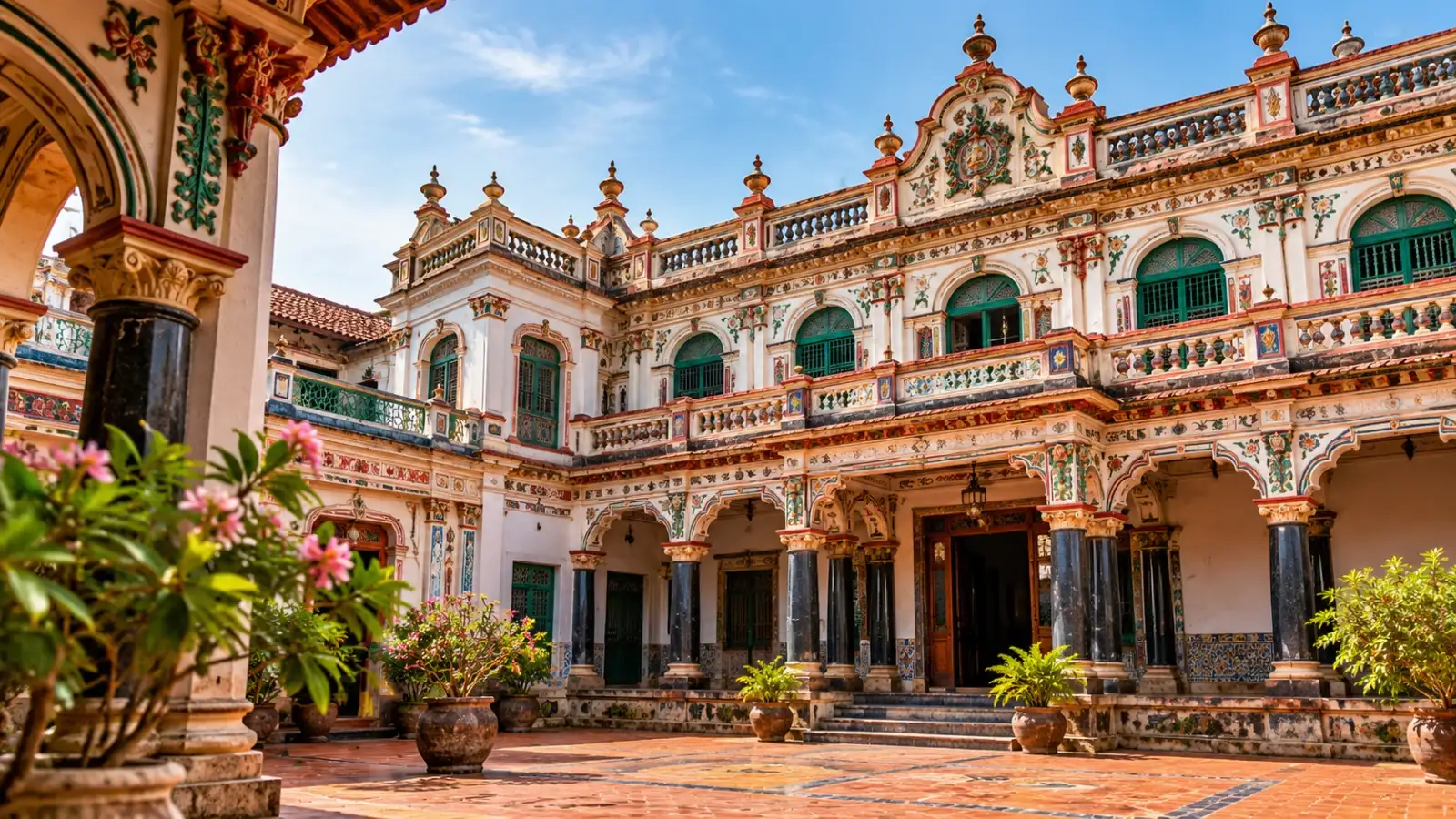
The Natukottai Chettiar community developed extensive trading and financial networks, particularly during the nineteenth and early twentieth centuries. The wealth generated through these networks contributed to the construction of large houses that combined local traditions with influences from overseas. The village clusters of Chettinad have been included on UNESCO's Tentative List for World Heritage.
The overall layout reflects both practical considerations and cultural traditions. Rooms and halls could accommodate family activities, guests and ceremonies, while the courtyard provided a central space within the house.
The scale of the mansions can be striking. Broad entrances, long corridors, decorative pillars and elaborate interiors create a sense of grandeur without losing the relationship between the house and its surrounding village.
UNESCO's description of the region documents the use of materials such as teak from Burma, marble from Italy and Belgium, and tiles obtained from several countries and parts of India. It also notes the incorporation of specialised craft skills, including woodcarving and decorative plasterwork.
These details show how international exchange influenced buildings while allowing them to retain a distinct Tamil character.
When exploring a historic house, look beyond the size of the rooms. Decorative floors, ceilings, doors and carved elements can reveal the range of craft skills involved in its construction.
Traditional settlement patterns, streets, courtyards, ponds and water-management systems form part of the wider heritage landscape. These features offer clues about how communities organised everyday life and responded to the region's climate.
Visitors interested in architecture should therefore allow time to walk through the surrounding settlements, rather than limiting the trip to one restored property.
Ask local residents or authorised guides about access where necessary. Some historic houses remain private homes, while others operate as heritage accommodation or visitor attractions.
Follow instructions about photography, particularly inside homes and religious spaces. Avoid touching fragile decorative surfaces or entering restricted rooms.
A guided visit can be useful for understanding a building's layout and history, especially when the architecture reflects several periods of development.
If you plan to shop, ask about the material, production technique and origin of the item. Buying from established local makers can provide a closer connection to the craft than purchasing a generic souvenir elsewhere.
For travellers interested in heritage, the region offers a rewarding opportunity to understand how local identity can be expressed through buildings that draw on influences from many parts of the world.
The Natukottai Chettiar community developed extensive trading and financial networks, particularly during the nineteenth and early twentieth centuries. The wealth generated through these networks contributed to the construction of large houses that combined local traditions with influences from overseas. The village clusters of Chettinad have been included on UNESCO's Tentative List for World Heritage.
What makes the mansions distinctive?
Many traditional Chettinad homes are organised around courtyards. These open areas bring daylight and ventilation into the house and connect different sections of the building.The overall layout reflects both practical considerations and cultural traditions. Rooms and halls could accommodate family activities, guests and ceremonies, while the courtyard provided a central space within the house.
The scale of the mansions can be striking. Broad entrances, long corridors, decorative pillars and elaborate interiors create a sense of grandeur without losing the relationship between the house and its surrounding village.
A mix of materials and influences
Chettinad architecture reflects an unusual combination of local craftsmanship and imported materials.UNESCO's description of the region documents the use of materials such as teak from Burma, marble from Italy and Belgium, and tiles obtained from several countries and parts of India. It also notes the incorporation of specialised craft skills, including woodcarving and decorative plasterwork.
These details show how international exchange influenced buildings while allowing them to retain a distinct Tamil character.
When exploring a historic house, look beyond the size of the rooms. Decorative floors, ceilings, doors and carved elements can reveal the range of craft skills involved in its construction.
Explore the villages, not just individual houses
Chettinad's architectural character extends beyond individual mansions to the layout of its villages.Traditional settlement patterns, streets, courtyards, ponds and water-management systems form part of the wider heritage landscape. These features offer clues about how communities organised everyday life and responded to the region's climate.
Visitors interested in architecture should therefore allow time to walk through the surrounding settlements, rather than limiting the trip to one restored property.
Ask local residents or authorised guides about access where necessary. Some historic houses remain private homes, while others operate as heritage accommodation or visitor attractions.
Plan a respectful visit
Opening arrangements vary between properties. Confirm whether a house permits visitors, whether an advance booking is needed and which areas are accessible.You may also like
- Forced to drop out of school for a year when her father could not pay the fees, Mavis Tak failed the UPSC exam twice before clearing it and is now a 2022-batch IPS officer serving as ASP in Uttar Pradesh's Sonbhadra
- Cancer: diagnoses rise across India.. what drives it?
- High blood pressure during pregnancy can raise a woman's future risk of heart disease by up to 2.7 times; why postpartum monitoring matters
- Why Did Lord Shiva Save the Moon From Daksha's Curse?
- She failed UPSC 6 times, and her decade-long dream collapsed at 30; today she has taught around 900 kids and employed nearly 30 women: Meet Shruti Srivastava
Follow instructions about photography, particularly inside homes and religious spaces. Avoid touching fragile decorative surfaces or entering restricted rooms.
A guided visit can be useful for understanding a building's layout and history, especially when the architecture reflects several periods of development.
Look for local crafts
The wider region is also associated with decorative tiles, woodwork, textiles and other traditional products.If you plan to shop, ask about the material, production technique and origin of the item. Buying from established local makers can provide a closer connection to the craft than purchasing a generic souvenir elsewhere.
Why Chettinad deserves attention
Chettinad's mansions tell a story of trade, family life, craftsmanship and cultural exchange. Their significance is not limited to elaborate interiors; it also lies in the way architecture relates to village planning, climate and community traditions.For travellers interested in heritage, the region offers a rewarding opportunity to understand how local identity can be expressed through buildings that draw on influences from many parts of the world.






Loving Newspoint? Download the app now
