
10 Best Indoor Plants for Better Air Quality: Bring Freshness and Greenery Into Your Home

Looking for natural ways to make your home feel fresher and healthier? Adding indoor plants for better air quality is a simple way to bring nature indoors while creating a more relaxing and welcoming environment. Several popular houseplants are known for their ability to absorb certain airborne pollutants, add moisture to the air and enhance indoor spaces. From the low-maintenance Snake Plant to the beautiful Peace Lily, these ten indoor plants are easy to grow and can add a refreshing touch of greenery to your home.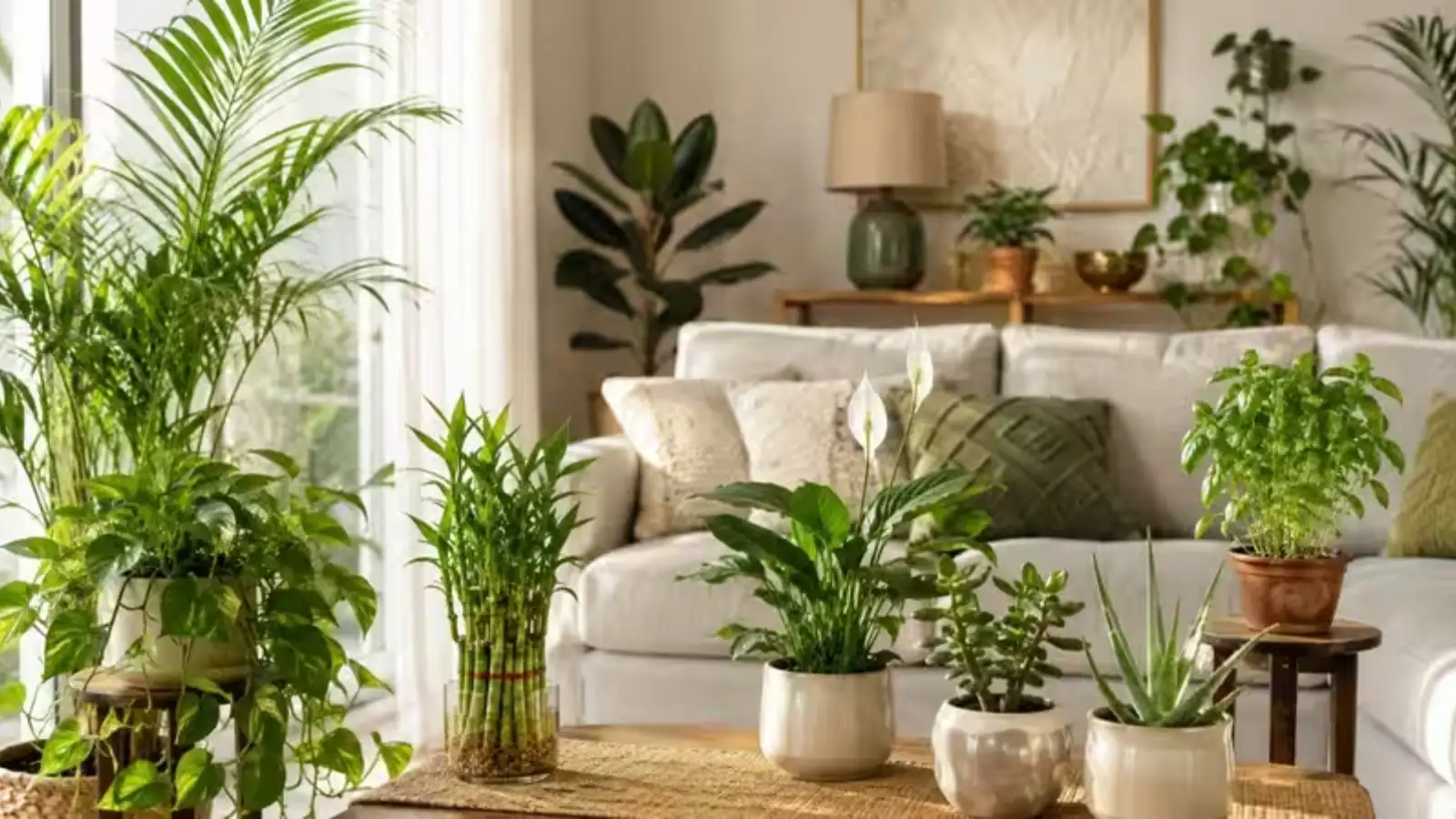
This hardy plant has been studied for its ability to absorb certain airborne compounds, including formaldehyde, benzene and xylene. It also uses a type of photosynthesis that allows it to take in carbon dioxide and release oxygen at night. Snake Plants can survive in low-light conditions and do not need frequent watering, making them ideal for beginners.
It is known for its ability to absorb certain indoor pollutants, including carbon monoxide and xylene, under controlled conditions. The plant grows quickly and produces small offshoots that can be separated and planted in new pots. It is also considered non-toxic to cats and dogs, making it a popular choice for pet-friendly homes.
Peace Lilies have been studied for their ability to absorb indoor pollutants such as ammonia, benzene and trichloroethylene. They grow best in indirect sunlight and humid surroundings. One of their most useful features is that their leaves begin to droop when they need water, making it easier to recognise when the plant requires attention.
Care tip: Keep Peace Lilies away from pets and children, as the plant contains compounds that can cause irritation if chewed or swallowed.
Aloe Vera prefers bright, indirect sunlight and requires very little watering. Its thick leaves store water, allowing it to tolerate relatively dry conditions. You can place it near a sunny window in your living room, kitchen or balcony. Its attractive appearance and easy maintenance make it a useful addition to any indoor garden.
Apart from its decorative appeal, the Areca Palm is known for releasing moisture into the surrounding air through a process called transpiration. It has also been studied for its potential to reduce certain indoor pollutants, including volatile organic compounds (VOCs). The plant grows well in bright, indirect sunlight and needs regular watering to keep its soil slightly moist. Its lush foliage makes it a beautiful addition to indoor gardens.
The Rubber Plant has demonstrated the ability to absorb certain airborne compounds, including formaldehyde, in controlled studies. It also contributes to the natural oxygen cycle through photosynthesis. For healthy growth, place it in a spot with bright, indirect sunlight and water it moderately. Allow the top layer of soil to dry before watering it again to avoid overwatering.
This plant is recognised for its potential to absorb formaldehyde and release moisture into its surroundings. Unlike some low-maintenance indoor plants , the Boston Fern needs consistent attention to remain healthy. It grows best in indirect sunlight, humid conditions and consistently moist soil. Regular misting can also help maintain the moisture levels it needs, particularly in dry indoor environments.
English Ivy has been studied for its ability to absorb certain airborne pollutants, including benzene and formaldehyde. Research has also explored its potential to reduce airborne mould particles, although results can vary depending on the environment. The plant grows well in moderate sunlight and prefers well-drained soil that is kept slightly moist. Regular pruning helps control its growth and maintain its appearance.
Care tip: English Ivy can be toxic to pets if ingested, so keep it out of their reach.
This adaptable plant has demonstrated the ability to absorb certain airborne compounds, including benzene, formaldehyde and carbon monoxide, in laboratory conditions. It can grow in different lighting conditions, although bright, indirect sunlight helps maintain its vibrant leaf patterns. Golden Pothos does not require frequent watering, making it an ideal option for people with busy schedules or those new to gardening.
Care tip: Golden Pothos is toxic to cats and dogs if chewed or swallowed. Place it somewhere pets cannot access.
It is known for its ability to tolerate low-light conditions and long periods without watering. The ZZ Plant has also been studied for its potential to absorb certain volatile organic compounds, including xylene and toluene. Its underground rhizomes store water, allowing it to survive in relatively dry conditions. Simply place it in a spot with indirect light and water it only when the soil has dried out.
Care tip: The ZZ Plant can cause irritation if ingested, so keep it away from children and pets.
A 2019 review published in the Journal of Exposure Science and Environmental Epidemiology found that an impractically large number of potted plants would be needed to match the air-cleaning effect of normal air exchange in buildings.
For better indoor air quality, consider combining indoor plants with these simple measures:
1. Snake Plant
The Snake Plant, popularly called Mother-in-Law’s Tongue, is a great choice for anyone looking for an attractive plant that requires very little attention. Its upright, sword-shaped leaves make it a stylish addition to bedrooms, living rooms and office spaces.This hardy plant has been studied for its ability to absorb certain airborne compounds, including formaldehyde, benzene and xylene. It also uses a type of photosynthesis that allows it to take in carbon dioxide and release oxygen at night. Snake Plants can survive in low-light conditions and do not need frequent watering, making them ideal for beginners.
2. Spider Plant
The Spider Plant is another excellent option for people who want greenery without spending too much time on plant care. Its long, arching leaves and tiny baby plants give it a distinctive appearance that looks particularly attractive in hanging baskets and decorative pots.It is known for its ability to absorb certain indoor pollutants, including carbon monoxide and xylene, under controlled conditions. The plant grows quickly and produces small offshoots that can be separated and planted in new pots. It is also considered non-toxic to cats and dogs, making it a popular choice for pet-friendly homes.
3. Peace Lily
If you want an indoor plant that combines beauty with potential air-purifying properties, the Peace Lily is worth considering. Its deep green leaves and elegant white flowers can instantly brighten up a room.Peace Lilies have been studied for their ability to absorb indoor pollutants such as ammonia, benzene and trichloroethylene. They grow best in indirect sunlight and humid surroundings. One of their most useful features is that their leaves begin to droop when they need water, making it easier to recognise when the plant requires attention.
Care tip: Keep Peace Lilies away from pets and children, as the plant contains compounds that can cause irritation if chewed or swallowed.
4. Aloe Vera
Aloe Vera is widely recognised for the soothing gel found inside its thick, fleshy leaves. However, this versatile succulent is also popular as an indoor ornamental plant and has been studied for its ability to absorb certain airborne chemicals, including benzene and formaldehyde.Aloe Vera prefers bright, indirect sunlight and requires very little watering. Its thick leaves store water, allowing it to tolerate relatively dry conditions. You can place it near a sunny window in your living room, kitchen or balcony. Its attractive appearance and easy maintenance make it a useful addition to any indoor garden.
5. Areca Palm
The Areca Palm is an excellent choice for those who love tropical-inspired interiors. With its long, feathery green leaves, this attractive plant can add a refreshing and lively appearance to living rooms, bedrooms and other spacious areas.Apart from its decorative appeal, the Areca Palm is known for releasing moisture into the surrounding air through a process called transpiration. It has also been studied for its potential to reduce certain indoor pollutants, including volatile organic compounds (VOCs). The plant grows well in bright, indirect sunlight and needs regular watering to keep its soil slightly moist. Its lush foliage makes it a beautiful addition to indoor gardens.
6. Rubber Plant
With its broad, shiny leaves and impressive appearance, the Rubber Plant can easily become the centrepiece of your indoor garden. It is particularly popular among homeowners who want a statement plant that does not require complicated maintenance.The Rubber Plant has demonstrated the ability to absorb certain airborne compounds, including formaldehyde, in controlled studies. It also contributes to the natural oxygen cycle through photosynthesis. For healthy growth, place it in a spot with bright, indirect sunlight and water it moderately. Allow the top layer of soil to dry before watering it again to avoid overwatering.
7. Boston Fern
The Boston Fern is a beautiful indoor plant known for its delicate, arching fronds and dense green foliage. It is particularly suitable for people who want to add a natural, refreshing touch to bathrooms, balconies and other humid areas.This plant is recognised for its potential to absorb formaldehyde and release moisture into its surroundings. Unlike some low-maintenance indoor plants , the Boston Fern needs consistent attention to remain healthy. It grows best in indirect sunlight, humid conditions and consistently moist soil. Regular misting can also help maintain the moisture levels it needs, particularly in dry indoor environments.
8. English Ivy
If you prefer plants that grow vertically or cascade beautifully from shelves, English Ivy is an attractive option. Its small, pointed leaves and climbing growth pattern make it suitable for hanging baskets, wall planters and elevated shelves.English Ivy has been studied for its ability to absorb certain airborne pollutants, including benzene and formaldehyde. Research has also explored its potential to reduce airborne mould particles, although results can vary depending on the environment. The plant grows well in moderate sunlight and prefers well-drained soil that is kept slightly moist. Regular pruning helps control its growth and maintain its appearance.
Care tip: English Ivy can be toxic to pets if ingested, so keep it out of their reach.
9. Golden Pothos
Golden Pothos, also known as Devil's Ivy, is one of the easiest indoor plants to grow. Its heart-shaped green leaves with golden-yellow patterns create an attractive cascading effect, making it perfect for shelves, hanging pots and office desks.This adaptable plant has demonstrated the ability to absorb certain airborne compounds, including benzene, formaldehyde and carbon monoxide, in laboratory conditions. It can grow in different lighting conditions, although bright, indirect sunlight helps maintain its vibrant leaf patterns. Golden Pothos does not require frequent watering, making it an ideal option for people with busy schedules or those new to gardening.
Care tip: Golden Pothos is toxic to cats and dogs if chewed or swallowed. Place it somewhere pets cannot access.
10. ZZ Plant
The ZZ Plant is a great option for anyone who loves indoor greenery but has limited time for plant care. Its thick stems and glossy, dark green leaves give it a sophisticated appearance that complements modern home interiors.It is known for its ability to tolerate low-light conditions and long periods without watering. The ZZ Plant has also been studied for its potential to absorb certain volatile organic compounds, including xylene and toluene. Its underground rhizomes store water, allowing it to survive in relatively dry conditions. Simply place it in a spot with indirect light and water it only when the soil has dried out.
Care tip: The ZZ Plant can cause irritation if ingested, so keep it away from children and pets.
Can Indoor Plants Really Improve Air Quality?
Indoor plants can make your home greener, more inviting and potentially contribute to a healthier indoor environment. However, their ability to clean the air should not be overstated. Some laboratory studies have shown that plants can absorb certain pollutants, but research suggests that ordinary potted plants are not effective enough to significantly improve air quality in typical homes.A 2019 review published in the Journal of Exposure Science and Environmental Epidemiology found that an impractically large number of potted plants would be needed to match the air-cleaning effect of normal air exchange in buildings.
For better indoor air quality, consider combining indoor plants with these simple measures:
- Ensure proper ventilation: Open windows when outdoor air quality permits to allow fresh air to circulate.
- Clean regularly: Remove dust from furniture, floors, carpets and other surfaces to reduce indoor pollutants.
- Control humidity: Fix water leaks and address damp areas to prevent mould growth.
- Avoid indoor smoke: Minimise exposure to cigarette smoke, incense and other sources of indoor pollution.
- Use air purifiers: Consider an appropriately sized air purifier with a HEPA filter to help remove airborne particles.
Next Story