
10 fascinating squirrel facts that reveal how clever these tiny animals really are


Squirrels are usually treated as background animals . They cross roads in sudden bursts, disappear into hedges, sit on electric wires as if balancing there means nothing at all. In cities, people barely notice them unless a bin gets raided or a garden feeder ends up empty by afternoon. Yet their behaviour is stranger and far more calculated than it first appears.
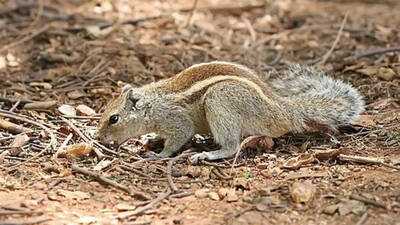
They remember thousands of hiding spots, survive dramatic falls, communicate through scent and body movement, and sometimes deceive each other over food. Different species also live in very different ways, from underground colonies to forests high above the ground.
Curious squirrel facts that explain their strange behaviour
1. Masters of finding hidden winter supplies
Winter creates a challenge for animals that depend on stored food, yet certain squirrel species have an impressive solution. Even when nuts and seeds are buried under around a foot of snow, they can locate them using their sense of smell.
Once they identify the scent, they dig through the snow and create small tunnels to reach the hidden stash. Sometimes the treasure belongs to them, and sometimes it belongs to another squirrel. Either way, their ability to track food in snowy conditions helps them survive the colder months when fresh supplies are limited.
2. Teeth that never stop developing
A squirrel's front teeth never stop developing. This trait is shared with many other rodents and explains why they spend so much time gnawing on hard objects. Constant chewing wears the teeth down and prevents them from becoming too long. Without regular use, the teeth could grow beyond a manageable size.
The word "rodent" itself comes from a Latin term meaning "to gnaw," which reflects how important this behaviour is for animals in this group. Chewing is not just a habit for squirrels; it is essential for maintaining healthy teeth.
3. Not every nut stays with its owner
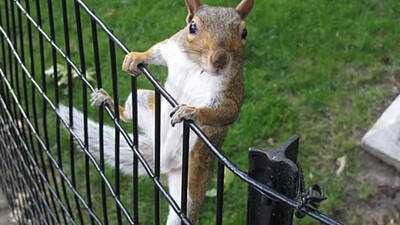
Many squirrel species store food in multiple locations rather than keeping everything in one place. This strategy reduces the risk of losing all their supplies at once.
Even so, hidden food is often stolen. Researchers have observed that squirrels can lose around a quarter of their buried reserves to other squirrels or even birds. Since scatter-hoarding animals maintain numerous secret caches, keeping track of every hiding spot is difficult. Opportunistic neighbours frequently take advantage of this, turning another squirrel's hard work into an easy meal.
4. A clever trick for protecting food stores
When threatened, squirrels rarely sprint in a straight line. Instead, they dart from side to side in a rapid zigzag pattern. This unpredictable movement makes it harder for predators such as hawks to judge their path and capture them.
The tactic can be remarkably effective in natural settings where quick changes of direction create confusion. It is one reason squirrels are often seen weaving across open ground rather than running directly towards safety. While this strategy works against many predators, it offers much less protection from approaching vehicles on roads.
5. They sometimes create fake hiding places
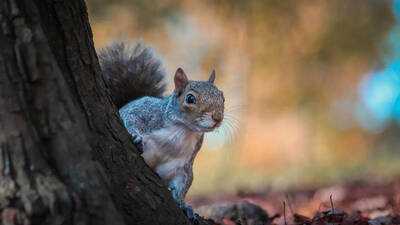
Squirrels are not always honest about where they store food. Observers have recorded behaviour known as deceptive caching, where a squirrel appears to bury a nut but actually leaves the hole empty. It still goes through the motions of digging and covering the spot as though valuable food is hidden there.
This clever trick may confuse other animals watching nearby and reduce the chances of genuine food stores being discovered. The behaviour suggests squirrels can adjust their actions when they suspect competitors are paying attention.
6. Baby squirrels begin life astonishingly small
A newborn squirrel is tiny, measuring roughly an inch in length. At this stage, the young animal is extremely vulnerable and completely dependent on care. Their small size often surprises people who encounter them, especially because adult squirrels appear so energetic and agile. Wildlife specialists stress that orphaned or injured baby squirrels require appropriate assistance if they are to survive. Despite their delicate beginnings, these miniature mammals grow rapidly and eventually develop the skills needed to forage, climb and navigate their surroundings independently.
7. City parks were not always full of squirrels
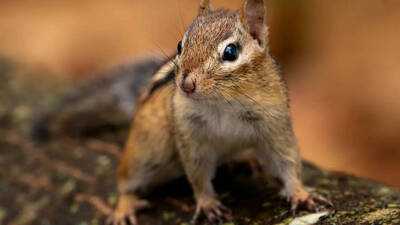
Many people assume squirrels have always been common residents of urban parks. In reality, humans played a significant role in spreading them throughout numerous large city green spaces. Introductions carried out in the past helped establish squirrel populations in locations where they were previously absent or uncommon.
Over time, these animals adapted successfully to urban environments and became familiar sights among trees, pathways and lawns. Their presence in many city parks today is partly the result of deliberate human actions rather than natural expansion alone.
8. Agility and intelligence help them thrive
Squirrels are famous for their athletic abilities, but their success comes from more than just speed. They combine balance, problem-solving skills and adaptability to overcome obstacles in a variety of environments.
Bird feeders provide a good example. Homeowners often devise complicated ways to keep squirrels away, yet the animals frequently discover new routes or techniques to reach the food. Their ability to learn and adjust to changing situations has allowed them to flourish in forests, suburbs and busy cities alike.
9. Extra body weight helps them face cold weather
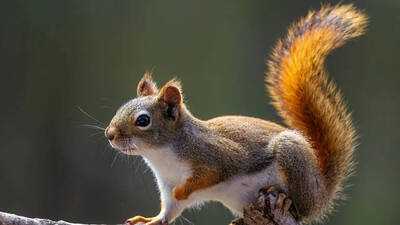
As temperatures fall, squirrels rely on several methods to stay warm. One of these involves putting on additional weight before and during winter. The extra body mass provides insulation and energy reserves at a time when food can be harder to obtain.
Carrying more weight may not seem ideal, but it helps squirrels cope with harsh seasonal conditions. Combined with shelter and stored food supplies, this natural preparation increases their chances of making it through the coldest parts of the year.
10. Forgotten nuts help grow new forests
Not every buried nut is recovered by the squirrel that hid it. Many remain underground long enough to sprout and develop into young trees. This accidental planting process has contributed to the growth of countless trees across woodland areas.
Oak trees, in particular, benefit from this behaviour. Although squirrels bury food simply to create future supplies, their forgotten caches can become part of the next generation of forests. In this way, squirrels play an unexpected role in shaping natural landscapes and supporting woodland regeneration.
They remember thousands of hiding spots, survive dramatic falls, communicate through scent and body movement, and sometimes deceive each other over food. Different species also live in very different ways, from underground colonies to forests high above the ground.
Curious squirrel facts that explain their strange behaviour
1. Masters of finding hidden winter supplies
Winter creates a challenge for animals that depend on stored food, yet certain squirrel species have an impressive solution. Even when nuts and seeds are buried under around a foot of snow, they can locate them using their sense of smell.
Once they identify the scent, they dig through the snow and create small tunnels to reach the hidden stash. Sometimes the treasure belongs to them, and sometimes it belongs to another squirrel. Either way, their ability to track food in snowy conditions helps them survive the colder months when fresh supplies are limited.
2. Teeth that never stop developing
A squirrel's front teeth never stop developing. This trait is shared with many other rodents and explains why they spend so much time gnawing on hard objects. Constant chewing wears the teeth down and prevents them from becoming too long. Without regular use, the teeth could grow beyond a manageable size.
The word "rodent" itself comes from a Latin term meaning "to gnaw," which reflects how important this behaviour is for animals in this group. Chewing is not just a habit for squirrels; it is essential for maintaining healthy teeth.
3. Not every nut stays with its owner
Many squirrel species store food in multiple locations rather than keeping everything in one place. This strategy reduces the risk of losing all their supplies at once.
Even so, hidden food is often stolen. Researchers have observed that squirrels can lose around a quarter of their buried reserves to other squirrels or even birds. Since scatter-hoarding animals maintain numerous secret caches, keeping track of every hiding spot is difficult. Opportunistic neighbours frequently take advantage of this, turning another squirrel's hard work into an easy meal.
4. A clever trick for protecting food stores
When threatened, squirrels rarely sprint in a straight line. Instead, they dart from side to side in a rapid zigzag pattern. This unpredictable movement makes it harder for predators such as hawks to judge their path and capture them.
The tactic can be remarkably effective in natural settings where quick changes of direction create confusion. It is one reason squirrels are often seen weaving across open ground rather than running directly towards safety. While this strategy works against many predators, it offers much less protection from approaching vehicles on roads.
5. They sometimes create fake hiding places
Squirrels are not always honest about where they store food. Observers have recorded behaviour known as deceptive caching, where a squirrel appears to bury a nut but actually leaves the hole empty. It still goes through the motions of digging and covering the spot as though valuable food is hidden there.
This clever trick may confuse other animals watching nearby and reduce the chances of genuine food stores being discovered. The behaviour suggests squirrels can adjust their actions when they suspect competitors are paying attention.
6. Baby squirrels begin life astonishingly small
A newborn squirrel is tiny, measuring roughly an inch in length. At this stage, the young animal is extremely vulnerable and completely dependent on care. Their small size often surprises people who encounter them, especially because adult squirrels appear so energetic and agile. Wildlife specialists stress that orphaned or injured baby squirrels require appropriate assistance if they are to survive. Despite their delicate beginnings, these miniature mammals grow rapidly and eventually develop the skills needed to forage, climb and navigate their surroundings independently.
7. City parks were not always full of squirrels
Many people assume squirrels have always been common residents of urban parks. In reality, humans played a significant role in spreading them throughout numerous large city green spaces. Introductions carried out in the past helped establish squirrel populations in locations where they were previously absent or uncommon.
8. Agility and intelligence help them thrive
Squirrels are famous for their athletic abilities, but their success comes from more than just speed. They combine balance, problem-solving skills and adaptability to overcome obstacles in a variety of environments.
9. Extra body weight helps them face cold weather
As temperatures fall, squirrels rely on several methods to stay warm. One of these involves putting on additional weight before and during winter. The extra body mass provides insulation and energy reserves at a time when food can be harder to obtain.
Carrying more weight may not seem ideal, but it helps squirrels cope with harsh seasonal conditions. Combined with shelter and stored food supplies, this natural preparation increases their chances of making it through the coldest parts of the year.
10. Forgotten nuts help grow new forests
Not every buried nut is recovered by the squirrel that hid it. Many remain underground long enough to sprout and develop into young trees. This accidental planting process has contributed to the growth of countless trees across woodland areas.
Oak trees, in particular, benefit from this behaviour. Although squirrels bury food simply to create future supplies, their forgotten caches can become part of the next generation of forests. In this way, squirrels play an unexpected role in shaping natural landscapes and supporting woodland regeneration.
Next Story