
Foods That Keep You Full Naturally Without Eating Too Much

Feeling hungry soon after a meal can make it difficult to maintain healthy eating habits . Many people assume that eating less is the answer, but the quality of food often matters far more than the quantity. Certain foods naturally help you stay satisfied for longer by slowing digestion, balancing blood sugar levels and providing a steady release of energy. Choosing these foods does not mean following a strict diet or giving up favourite meals. Instead, it is about understanding how everyday ingredients can help reduce unnecessary snacking and support better eating habits. With a few smart choices, it becomes much easier to feel comfortably full without overeating.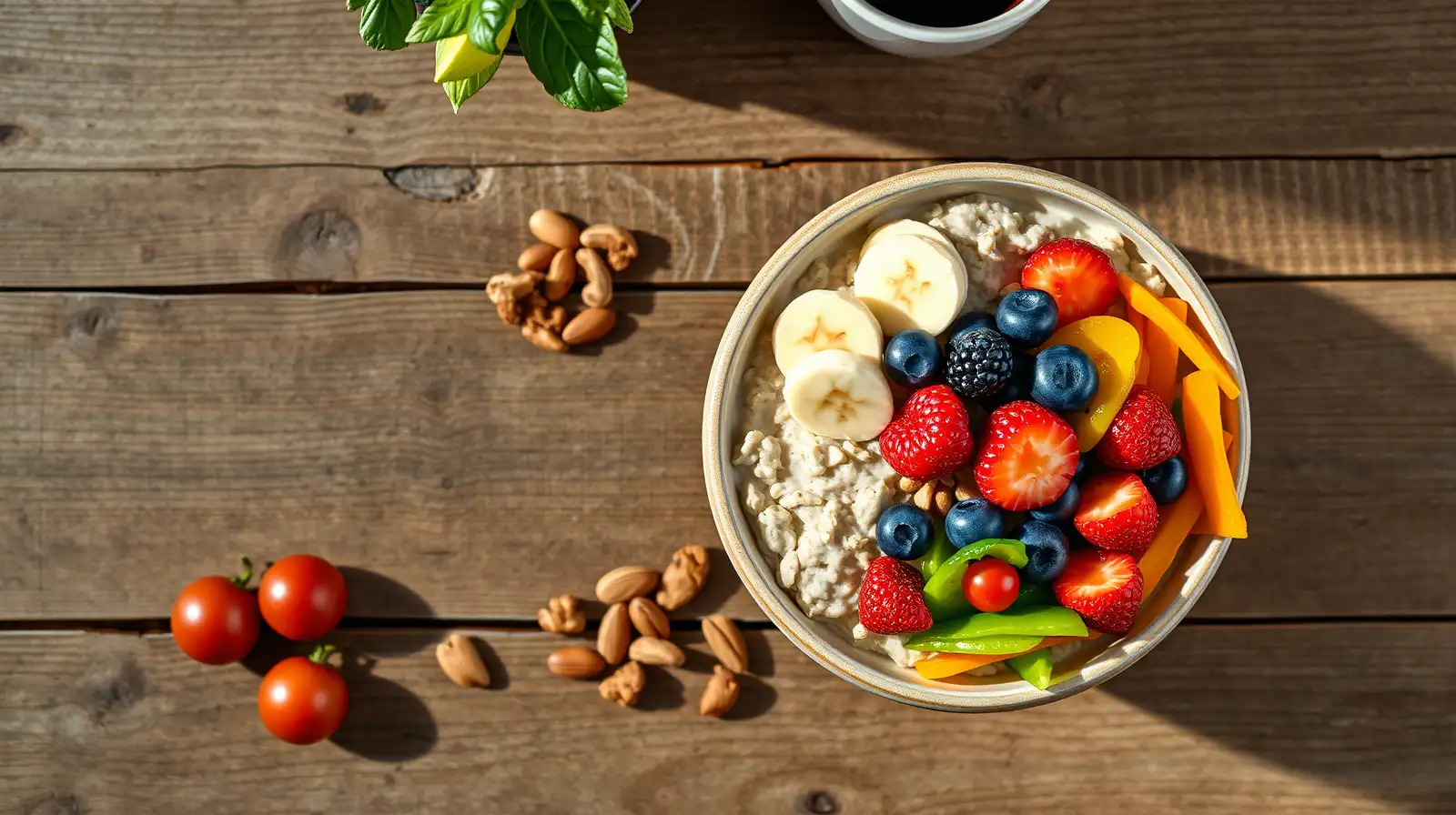
Whole foods also tend to require more chewing, giving the brain enough time to recognise when the stomach is becoming full. This natural process can prevent eating beyond what the body actually needs.
Interestingly, traditional diets across many cultures naturally include protein at breakfast, long before nutrition experts highlighted its benefits.
Soluble fibre is particularly effective because it forms a gel-like substance during digestion, slowing the movement of food through the digestive system. This gradual digestion also supports steadier blood sugar levels.
A small handful of almonds or walnuts can often curb hunger more effectively than processed snack foods, despite containing more calories. The combination of healthy fats, protein and fibre makes these foods particularly filling.
Soup is another interesting example. Research has suggested that starting a meal with a broth-based vegetable soup may reduce total calorie intake because it promotes fullness before the main course.
Combining protein, fibre and healthy fats in the same meal often produces the greatest feeling of satisfaction. For example, porridge topped with berries and nuts or a lentil salad with vegetables and olive oil provides balanced nutrition that keeps hunger under control for longer.
Why Some Foods Keep You Fuller for Longer
Not all calories affect hunger in the same way. Foods rich in protein, fibre and healthy fats usually take longer to digest than highly processed foods. This slower digestion helps keep hunger at bay and reduces the temptation to reach for extra snacks between meals.Whole foods also tend to require more chewing, giving the brain enough time to recognise when the stomach is becoming full. This natural process can prevent eating beyond what the body actually needs.
Protein Plays a Bigger Role Than Many People Realise
Protein is one of the most satisfying nutrients. Foods such as eggs, Greek yoghurt, lentils, beans, chicken and fish help maintain fullness while supporting muscle health. Studies have shown that protein-rich breakfasts often reduce hunger throughout the day compared with sugary cereals or pastries.Interestingly, traditional diets across many cultures naturally include protein at breakfast, long before nutrition experts highlighted its benefits.
You may also like
- Parents tie young son to door frame to 'Make Him Taller'; Viral video sparks outrage and debate over harmful parenting myths
- Harnessing Natural Ingredients for Radiant Skin
- DU Admission 2026: DU launches admissions for one-year PG programs for the first time; register by July 11..
- Foods You Should Never Reheat for Better Health
- Optimal Dinner Timing for Weight Loss and Better Health
Fibre Is Nature's Appetite Controller
Dietary fibre absorbs water and adds bulk to food, helping meals stay in the stomach for longer. Oats, whole grains, apples, pears, vegetables and legumes are excellent sources of fibre that provide lasting satisfaction.Soluble fibre is particularly effective because it forms a gel-like substance during digestion, slowing the movement of food through the digestive system. This gradual digestion also supports steadier blood sugar levels.
Healthy Fats Help Create Lasting Satisfaction
Healthy fats are often misunderstood, yet they can be valuable for controlling appetite. Avocados, nuts, seeds and olive oil provide energy while helping meals feel more satisfying.A small handful of almonds or walnuts can often curb hunger more effectively than processed snack foods, despite containing more calories. The combination of healthy fats, protein and fibre makes these foods particularly filling.
Foods Rich in Water Add Volume Without Excess Calories
Many fruits and vegetables contain large amounts of water, increasing the volume of meals without adding excessive calories. Cucumbers, tomatoes, oranges, watermelon and leafy greens help people feel full while supporting hydration.Soup is another interesting example. Research has suggested that starting a meal with a broth-based vegetable soup may reduce total calorie intake because it promotes fullness before the main course.
Everyday Eating Habits Matter Just as Much
Even the most filling foods work best when combined with mindful eating habits. Eating slowly, chewing thoroughly and avoiding distractions during meals give the body's natural fullness signals time to develop.Combining protein, fibre and healthy fats in the same meal often produces the greatest feeling of satisfaction. For example, porridge topped with berries and nuts or a lentil salad with vegetables and olive oil provides balanced nutrition that keeps hunger under control for longer.
A Simple Change That Can Make a Big Difference
Feeling fuller without overeating is not about eating less food but choosing food more wisely. Everyday ingredients such as oats, beans, eggs, vegetables, fruit and nuts work together to support natural appetite control while providing essential nutrients. Small changes in food choices can gradually reduce unnecessary snacking, improve energy levels and make healthy eating feel more achievable. Rather than focusing only on calories, paying attention to how different foods satisfy hunger can lead to more balanced eating habits that are easier to maintain over the long term.





Loving Newspoint? Download the app now
