
10 Green Tech Solutions For Modern Homes That Can Cut Energy Bills And Boost Sustainability

As environmental awareness continues to grow, homeowners are increasingly looking for ways to reduce their carbon footprint without sacrificing comfort or convenience. Advances in technology have made sustainable living more accessible than ever, offering practical solutions that help conserve energy, reduce waste and improve household efficiency. Green technology is no longer limited to large-scale commercial projects. Today, a wide range of innovations can be integrated into everyday homes, helping families save money while contributing to environmental sustainability. From renewable energy systems to intelligent home automation, these technologies are reshaping the way people live. Here are 10 green tech solutions that can make modern homes more efficient, environmentally responsible and future-ready.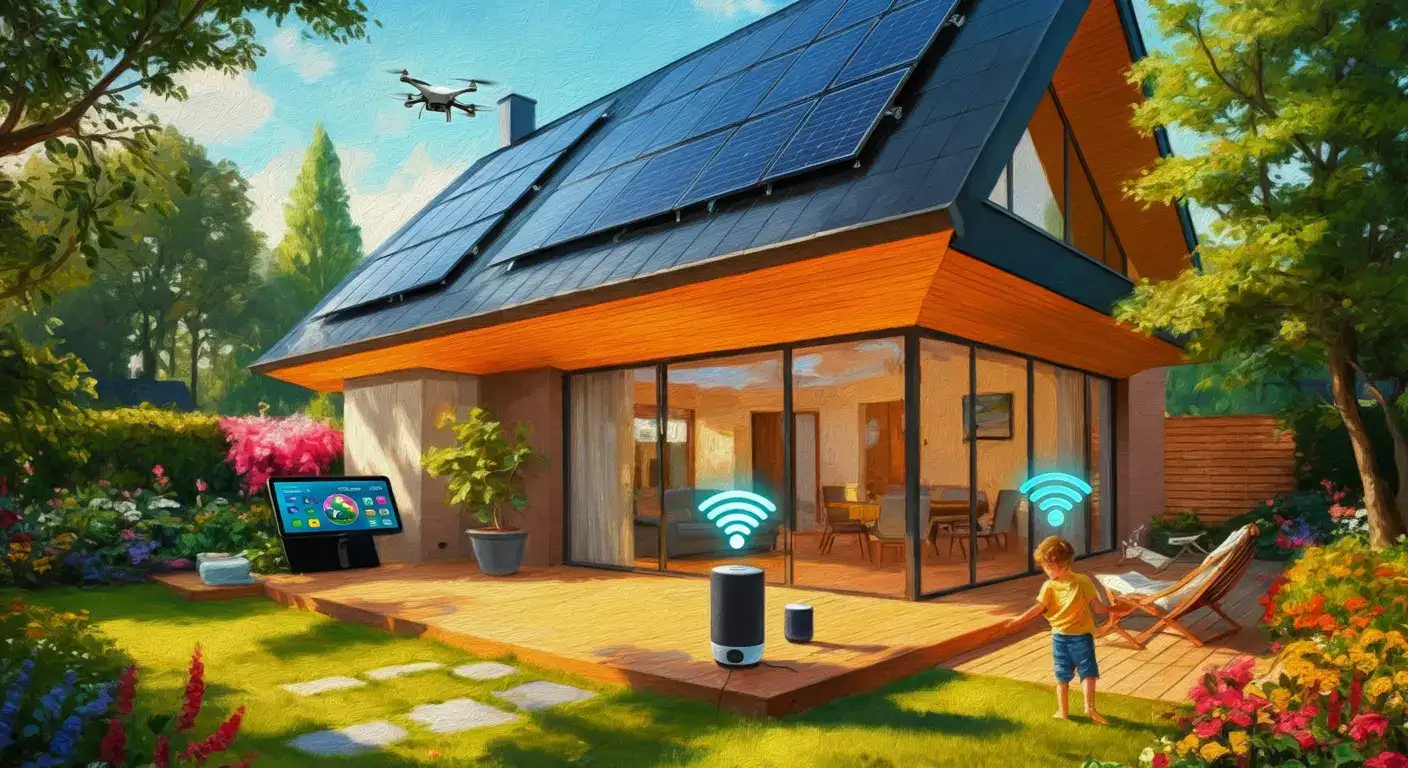
By converting sunlight into electricity, solar energy systems can reduce dependence on conventional power sources and help lower electricity bills. Modern solar technology has become increasingly efficient and accessible, making it a popular option for households seeking long-term energy savings.
In many regions, solar installations can also increase property value while supporting renewable energy adoption.
Smart thermostats allow homeowners to monitor and adjust indoor temperatures more efficiently. These devices can learn usage patterns, automatically optimise settings and reduce unnecessary energy use.
The result is greater comfort combined with improved energy efficiency and lower utility costs.
LED lighting uses less electricity, lasts longer and generates less heat. Homeowners can significantly reduce energy consumption simply by upgrading their lighting systems.
The availability of smart LED solutions also allows users to control brightness levels and schedules, further improving efficiency.
Smart home technology now enables homeowners to track electricity usage in real time. Energy monitoring systems provide detailed insights into consumption patterns and identify opportunities to reduce waste.
Greater visibility helps families make informed decisions that support sustainable homes and lower energy bills.
Rainwater harvesting systems collect and store rainwater for non-drinking purposes such as gardening, cleaning and irrigation. By reducing reliance on municipal water supplies, these systems contribute to more efficient resource management.
They can be particularly valuable in areas that experience seasonal water shortages.
Energy-efficient washing machines, refrigerators, dishwashers and air conditioning units can significantly reduce household resource consumption over time.
Although the initial investment may be higher, long-term savings often make these appliances a worthwhile addition to eco-friendly living strategies.
Smart irrigation systems use weather data, soil moisture sensors and automated controls to optimise watering schedules. This prevents overwatering and ensures plants receive only the amount of water they need.
Such technology supports sustainable landscaping while helping homeowners conserve valuable water resources.
Home battery systems can store excess electricity generated by solar panels for use during evenings or power interruptions. This increases energy independence and maximises the benefits of renewable energy investments.
Battery storage also helps improve overall energy reliability and resilience.
Modern insulation materials help maintain indoor temperatures by reducing heat transfer. Smart windows with advanced glazing technologies can further minimise energy loss and reduce reliance on heating and cooling systems.
Together, these solutions contribute to more energy-efficient homes and improved indoor comfort throughout the year.
Home charging solutions provide convenience while supporting the transition to cleaner transportation. When paired with renewable energy sources such as solar power, electric vehicle charging can become even more environmentally friendly.
As electric vehicle adoption continues to grow, home charging infrastructure is increasingly viewed as a valuable long-term investment.
Reduced energy consumption helps lower greenhouse gas emissions, while efficient water management supports conservation efforts. Sustainable homes can also offer greater resilience against rising utility costs and changing environmental conditions.
As technology continues to evolve, homeowners will have access to even more innovative solutions designed to balance comfort, affordability and environmental responsibility.
Adopting green tech solutions does not necessarily require a complete home transformation. Even small upgrades, such as switching to LED lighting or installing a smart thermostat, can make a meaningful difference. Over time, combining multiple technologies can significantly improve household efficiency and sustainability. From renewable energy systems to intelligent resource management, these 10 green tech solutions demonstrate how modern homes can become more environmentally friendly while delivering practical financial and lifestyle benefits. As the demand for sustainable living grows, green technology is likely to play an increasingly important role in shaping the homes of the future.
1. Solar Panels For Renewable Energy Generation
Solar panels remain one of the most recognised green tech solutions available to homeowners.By converting sunlight into electricity, solar energy systems can reduce dependence on conventional power sources and help lower electricity bills. Modern solar technology has become increasingly efficient and accessible, making it a popular option for households seeking long-term energy savings.
In many regions, solar installations can also increase property value while supporting renewable energy adoption.
2. Smart Thermostats For Better Energy Management
Heating and cooling often account for a significant portion of household energy consumption.Smart thermostats allow homeowners to monitor and adjust indoor temperatures more efficiently. These devices can learn usage patterns, automatically optimise settings and reduce unnecessary energy use.
The result is greater comfort combined with improved energy efficiency and lower utility costs.
3. Energy-Efficient LED Lighting
Traditional incandescent bulbs consume considerably more energy than modern LED alternatives.LED lighting uses less electricity, lasts longer and generates less heat. Homeowners can significantly reduce energy consumption simply by upgrading their lighting systems.
The availability of smart LED solutions also allows users to control brightness levels and schedules, further improving efficiency.
4. Smart Home Energy Monitoring Systems
Many households are unaware of how much energy individual appliances consume.Smart home technology now enables homeowners to track electricity usage in real time. Energy monitoring systems provide detailed insights into consumption patterns and identify opportunities to reduce waste.
Greater visibility helps families make informed decisions that support sustainable homes and lower energy bills.
5. Rainwater Harvesting Systems
Water conservation is becoming increasingly important in many parts of the world.Rainwater harvesting systems collect and store rainwater for non-drinking purposes such as gardening, cleaning and irrigation. By reducing reliance on municipal water supplies, these systems contribute to more efficient resource management.
They can be particularly valuable in areas that experience seasonal water shortages.
6. High-Efficiency Appliances
Modern appliances are designed to deliver better performance while consuming less energy and water.Energy-efficient washing machines, refrigerators, dishwashers and air conditioning units can significantly reduce household resource consumption over time.
Although the initial investment may be higher, long-term savings often make these appliances a worthwhile addition to eco-friendly living strategies.
7. Smart Irrigation Technology
Outdoor water use can represent a substantial portion of household consumption.Smart irrigation systems use weather data, soil moisture sensors and automated controls to optimise watering schedules. This prevents overwatering and ensures plants receive only the amount of water they need.
Such technology supports sustainable landscaping while helping homeowners conserve valuable water resources.
8. Home Battery Storage Systems
As renewable energy becomes more common, battery storage technology is gaining popularity.Home battery systems can store excess electricity generated by solar panels for use during evenings or power interruptions. This increases energy independence and maximises the benefits of renewable energy investments.
Battery storage also helps improve overall energy reliability and resilience.
9. Advanced Insulation And Smart Windows
Improving a home's thermal performance is one of the most effective ways to enhance energy efficiency.Modern insulation materials help maintain indoor temperatures by reducing heat transfer. Smart windows with advanced glazing technologies can further minimise energy loss and reduce reliance on heating and cooling systems.
Together, these solutions contribute to more energy-efficient homes and improved indoor comfort throughout the year.
10. Electric Vehicle Charging Stations
The rise of electric vehicles is encouraging many homeowners to install dedicated charging stations.You may also like
- Timeless Wisdom from Shakespeare: Embracing Life's Contradictions
- Egyptian proverb of the day: “He who loves you will swallow pebbles for you; he who hates you will…” - what this ancient saying reveals about loyalty and human nature
- Jewish proverb of the day: “It is better to be the tail of the lion than...”
- 8th Pay Commission Update: No Extension After June 15 Deadline; Key Meetings on Salary and Pension Ahead
- ITR Filing 2026: Freelancers, Influencers and Gig Workers Must Know These Tax Rules Before Filing Returns
Home charging solutions provide convenience while supporting the transition to cleaner transportation. When paired with renewable energy sources such as solar power, electric vehicle charging can become even more environmentally friendly.
As electric vehicle adoption continues to grow, home charging infrastructure is increasingly viewed as a valuable long-term investment.
Why Green Technology Matters For The Future
Green technologies provide benefits that extend beyond individual households.Reduced energy consumption helps lower greenhouse gas emissions, while efficient water management supports conservation efforts. Sustainable homes can also offer greater resilience against rising utility costs and changing environmental conditions.
As technology continues to evolve, homeowners will have access to even more innovative solutions designed to balance comfort, affordability and environmental responsibility.
Adopting green tech solutions does not necessarily require a complete home transformation. Even small upgrades, such as switching to LED lighting or installing a smart thermostat, can make a meaningful difference. Over time, combining multiple technologies can significantly improve household efficiency and sustainability. From renewable energy systems to intelligent resource management, these 10 green tech solutions demonstrate how modern homes can become more environmentally friendly while delivering practical financial and lifestyle benefits. As the demand for sustainable living grows, green technology is likely to play an increasingly important role in shaping the homes of the future.






More from our partners


Loving Newspoint? Download the app now
