
10 Health Concerns Linked To Drinking Water From Plastic Bottles Every Day

Plastic water bottles have become a common part of daily life. They are convenient, lightweight and easy to carry, making them a popular choice for work, travel and outdoor activities. However, health experts and researchers have increasingly examined the potential effects of long-term exposure to substances associated with plastic packaging.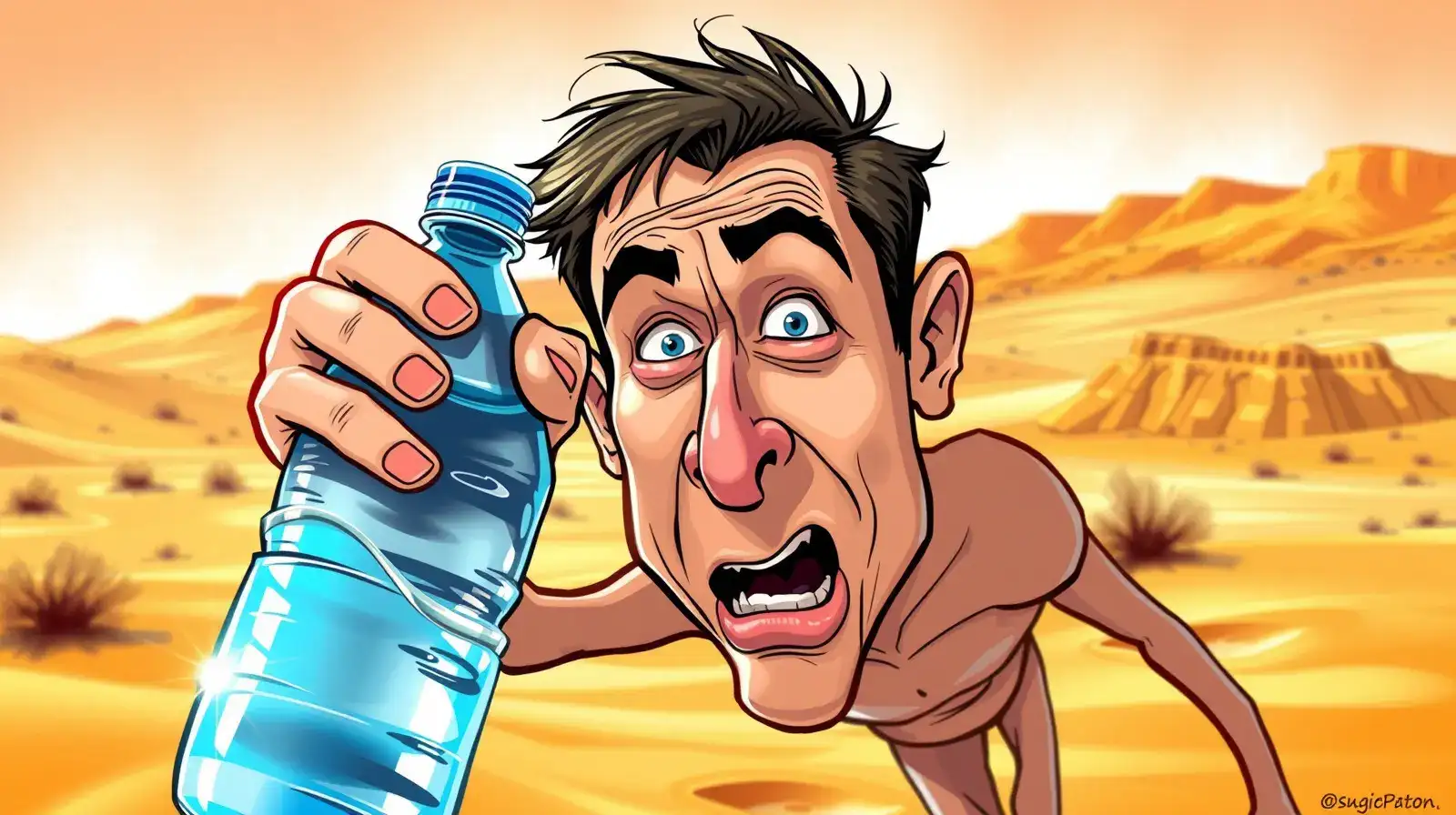
It is important to note that regulatory authorities generally consider approved food-grade plastic bottles safe for their intended use. Nevertheless, concerns have emerged regarding repeated use, improper storage and prolonged exposure to heat. While research continues to evolve, experts encourage consumers to understand potential risks and adopt safer hydration practices whenever possible.
Tiny plastic particles can be released into bottled water through manufacturing, transportation and repeated handling. Researchers continue to study the long-term effects of consuming these particles, but their widespread presence has raised health-related questions.
Leaving bottles inside parked vehicles, under direct sunlight or in hot environments can increase this possibility. Experts generally recommend storing bottled water in cool conditions.
Repeated refilling and prolonged use can lead to wear and tear, increasing the likelihood of scratches and degradation. Damaged surfaces may become harder to clean properly and can affect overall hygiene.
Moist environments combined with frequent handling may allow microorganisms to accumulate around bottle openings and interior surfaces.
Although regulations have reduced the use of several substances of concern, researchers continue to evaluate the potential health implications of long-term exposure from various sources.
Experts suggest that understanding cumulative exposure remains an important area of ongoing scientific research.
As plastics break down in ecosystems, they can enter water sources and food chains, potentially increasing human exposure to microplastic particles over time.
Extreme temperatures and prolonged storage can alter taste and potentially affect the integrity of packaging materials.
Cracks, dents and scratches can make proper cleaning more difficult and may increase contamination risks. Replacing damaged bottles is generally recommended.
Many experts view durable reusable containers as a practical option for reducing both environmental impact and unnecessary plastic exposure.
For those looking to minimise potential concerns, reusable stainless-steel or glass bottles can be considered practical alternatives. Staying hydrated remains essential for good health, and adopting safe storage and usage habits can help ensure that drinking water remains both refreshing and safe.
It is important to note that regulatory authorities generally consider approved food-grade plastic bottles safe for their intended use. Nevertheless, concerns have emerged regarding repeated use, improper storage and prolonged exposure to heat. While research continues to evolve, experts encourage consumers to understand potential risks and adopt safer hydration practices whenever possible.
1. Exposure To Microplastics
One of the most discussed concerns is exposure to microplastics.Tiny plastic particles can be released into bottled water through manufacturing, transportation and repeated handling. Researchers continue to study the long-term effects of consuming these particles, but their widespread presence has raised health-related questions.
2. Chemical Leaching In High Temperatures
Plastic bottles exposed to excessive heat may release small amounts of certain chemicals into the water.Leaving bottles inside parked vehicles, under direct sunlight or in hot environments can increase this possibility. Experts generally recommend storing bottled water in cool conditions.
3. Increased Risk From Reusing Single-Use Bottles
Many plastic bottles are designed for one-time use.Repeated refilling and prolonged use can lead to wear and tear, increasing the likelihood of scratches and degradation. Damaged surfaces may become harder to clean properly and can affect overall hygiene.
4. Bacterial Growth Concerns
Plastic bottles that are reused without adequate cleaning can become breeding grounds for bacteria.Moist environments combined with frequent handling may allow microorganisms to accumulate around bottle openings and interior surfaces.
5. Potential Impact On Hormonal Balance
Some studies have investigated chemicals used in certain plastic products that may interfere with hormone activity.Although regulations have reduced the use of several substances of concern, researchers continue to evaluate the potential health implications of long-term exposure from various sources.
6. Questions About Long-Term Chemical Exposure
People may be exposed to small amounts of plastic-related chemicals through multiple everyday products, not just bottles.Experts suggest that understanding cumulative exposure remains an important area of ongoing scientific research.
7. Environmental Contamination And Indirect Health Effects
Discarded plastic bottles contribute significantly to environmental pollution.As plastics break down in ecosystems, they can enter water sources and food chains, potentially increasing human exposure to microplastic particles over time.
8. Reduced Water Quality From Improper Storage
Water quality may be affected when bottles are stored for long periods in unsuitable conditions.Extreme temperatures and prolonged storage can alter taste and potentially affect the integrity of packaging materials.
9. False Sense Of Safety With Old Bottles
Many people continue using bottles long after they show visible signs of wear.Cracks, dents and scratches can make proper cleaning more difficult and may increase contamination risks. Replacing damaged bottles is generally recommended.
10. Dependence On Disposable Packaging
Frequent reliance on disposable plastic bottles may discourage the use of reusable alternatives made from materials such as stainless steel or glass.Many experts view durable reusable containers as a practical option for reducing both environmental impact and unnecessary plastic exposure.
Healthier Hydration Habits For Everyday Life
Plastic bottles remain a convenient solution for hydration, and approved food-grade products are widely used around the world. However, experts recommend using them as intended, avoiding exposure to excessive heat and replacing damaged containers promptly.For those looking to minimise potential concerns, reusable stainless-steel or glass bottles can be considered practical alternatives. Staying hydrated remains essential for good health, and adopting safe storage and usage habits can help ensure that drinking water remains both refreshing and safe.
Next Story