10 Intriguing Facts About Origami: Discover The Rich History & Cultural Significance of Paper Folding

Origami, the ancient art of paper folding, boasts a history as intricate as the delicate creations it produces. This article explores ten curious facts about origami, delving into its origins, cultural significance, and surprising applications throughout history. From its possible roots in ancient rituals to its modern-day use in mathematics and design, origami's journey is a fascinating tale of creativity and ingenuity. Discover the secrets behind this captivating art form and its enduring appeal.
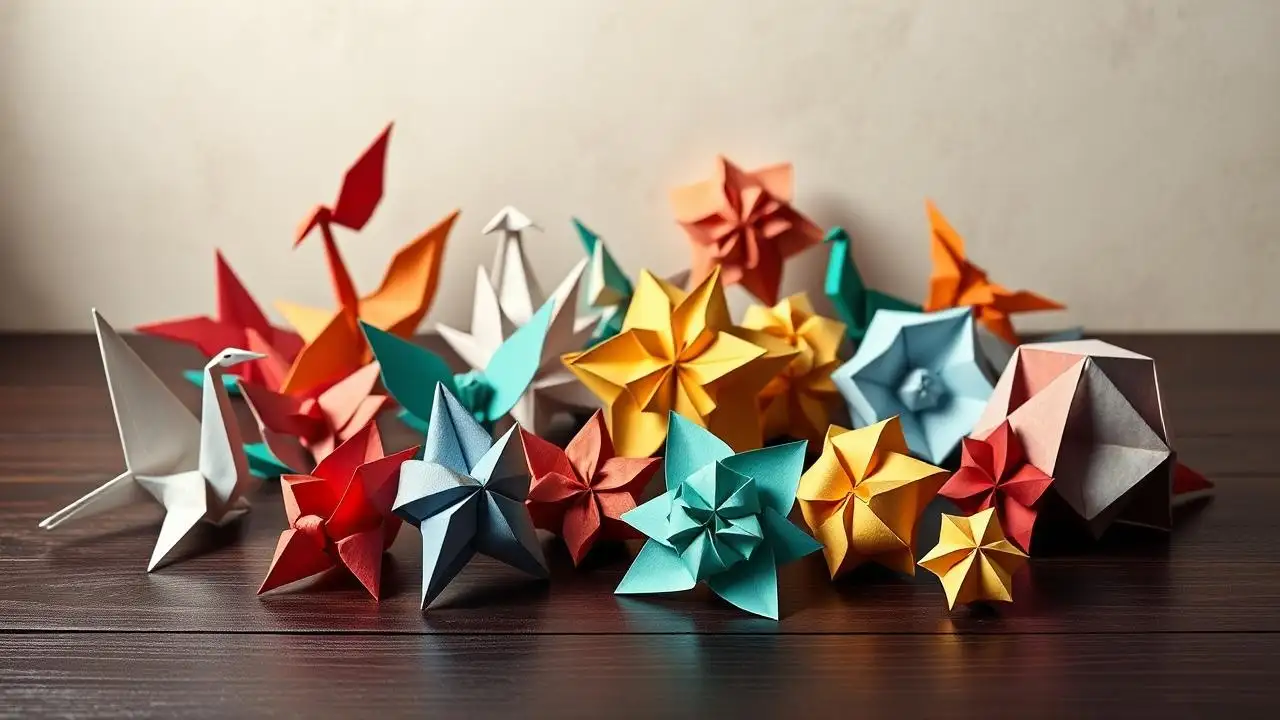
Hero Image


Origami is far more than just a childhood pastime. It's an art form with a rich and fascinating history.
Let's unfold ten curious facts about origami and its journey through time.

The Origins of Origami

The exact origins of origami are debated. Some believe it emerged in China, shortly after the invention of paper.
Others argue that it developed independently in Japan. Regardless, Japan is where origami truly flourished.


Origami's Early Uses

In its early days, origami wasn't just for decoration. It had significant ceremonial and religious uses.
Paper folding was often used in Shinto rituals. It also adorned gifts to the gods.

The Meaning of Origami

The word origami itself is Japanese in origin. It combines 'ori' (folding) and 'kami' (paper).
This simple combination perfectly encapsulates the essence of the art form.