
10 Nutrient-Rich Foods That May Help Support Healthy Blood Platelet Levels Naturally

Blood platelets are tiny cell fragments that play an essential role in blood clotting and wound healing. Maintaining healthy platelet levels is important for overall wellbeing, as platelets help the body respond effectively to injuries and support normal bodily functions. Although low platelet counts can result from various medical conditions and should always be assessed by a healthcare professional, nutrition can play an important supporting role in maintaining healthy blood cell production. Certain foods contain vitamins, minerals and antioxidants that contribute to overall blood health. Including a variety of nutrient-rich foods in your daily diet can help provide the nutrients needed for healthy platelet production and general wellness.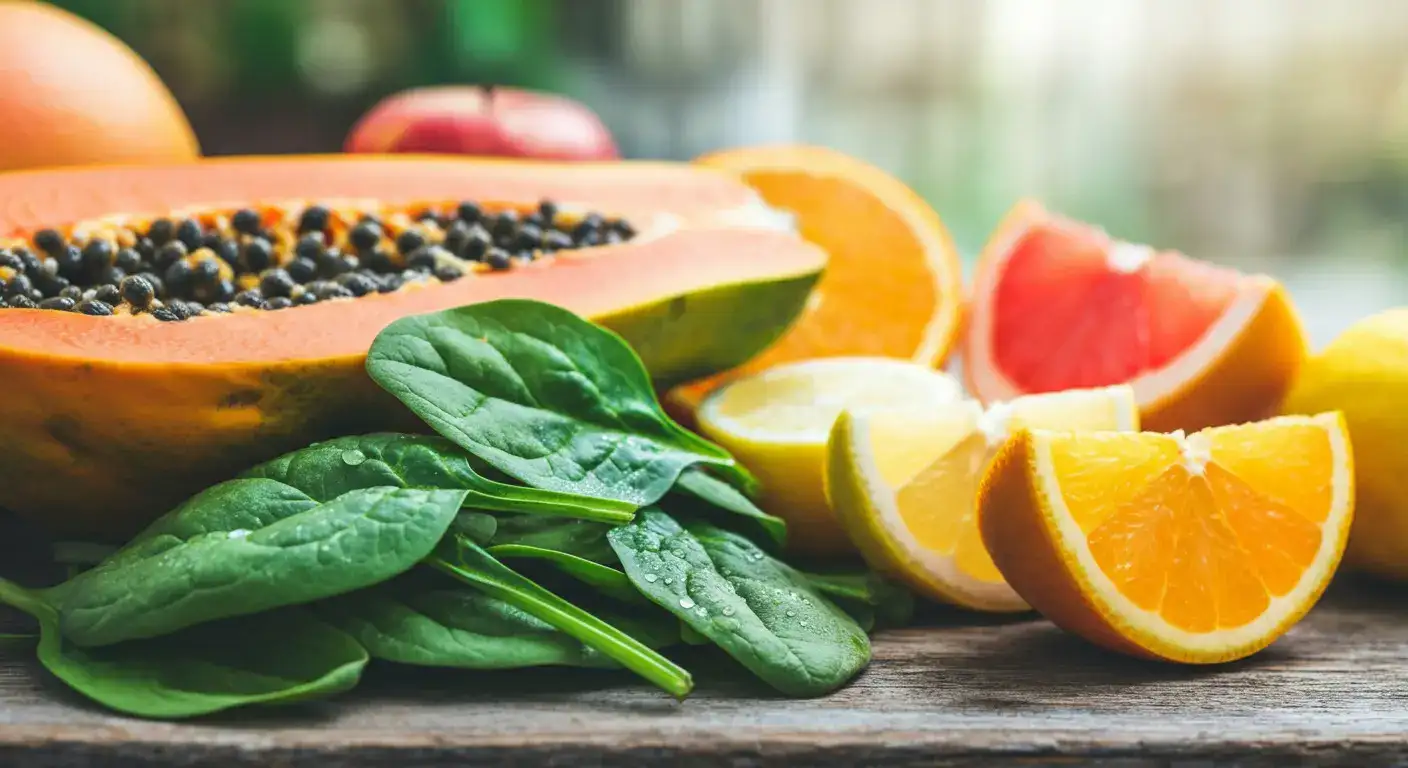
Adding spinach to salads, soups, smoothies or cooked dishes is a simple way to increase nutrient intake. Its versatility makes it an excellent addition to a balanced diet focused on supporting healthy blood cells .
The fruit is easy to include in breakfast meals, snacks and desserts. Fresh papaya can provide valuable nutrients that support normal bodily functions, including those involved in blood health.
Including citrus fruits regularly can help improve the overall nutritional quality of a diet and contribute to healthy platelet production indirectly through better nutrient utilisation.
Whether consumed as fresh seeds or juice, pomegranate can be a nutritious addition to meals and snacks. Its nutrient profile makes it one of the popular foods for platelet health .
Beetroot can be roasted, steamed, blended into juices or added to salads. Its natural sweetness and nutritional value make it a practical choice for everyday meals.
Pumpkin can be used in soups, curries, baked dishes and side preparations. Its versatility makes it easy to incorporate into regular meals.
Adding lentils to soups, stews and traditional dishes can help increase nutrient intake while providing sustained energy. They remain a key component of many healthy eating plans.
Protein plays a role in many bodily functions, including those related to cell production and repair. Eggs therefore make a useful addition to a nutrient-rich diet.
Berries can be enjoyed fresh, added to breakfast bowls or blended into smoothies. Their nutritional profile and natural sweetness make them a healthy alternative to processed snacks.
A small portion of nuts and seeds can serve as a nutritious snack or complement meals throughout the day.
A balanced diet that includes fruits, vegetables, whole grains, lean proteins and healthy fats provides the body with a broad range of nutrients needed for optimal function. Consistency in healthy eating habits is often more beneficial than focusing on individual foods alone.
Avoiding excessive consumption of highly processed foods and maintaining a varied diet can further support healthy blood cells and overall health. Individuals with diagnosed platelet-related conditions should always follow the advice of qualified healthcare professionals.
Anyone experiencing unusual bruising, prolonged bleeding or concerns about platelet levels should consult a healthcare provider for appropriate diagnosis and guidance.
Supporting healthy blood platelet levels begins with a nutritious and balanced approach to eating. Foods such as spinach, papaya, citrus fruits, pomegranate, beetroot, pumpkin, lentils, eggs, berries and nuts provide valuable nutrients that contribute to overall blood health. Combined with healthy lifestyle habits and appropriate medical care when needed, these nutrient-rich foods can form part of a well-rounded strategy for maintaining general wellbeing and supporting healthy platelet production.
Disclaimer: This article is for informational purposes only and should not be considered medical advice. Low platelet counts can result from various health conditions and require proper medical evaluation. Always consult a qualified healthcare professional regarding diagnosis, treatment or dietary changes related to blood platelet levels.
1. Spinach
Spinach is one of the most nutrient-dense leafy vegetables available. It contains vitamin K, folate, iron and antioxidants that support overall blood health.Adding spinach to salads, soups, smoothies or cooked dishes is a simple way to increase nutrient intake. Its versatility makes it an excellent addition to a balanced diet focused on supporting healthy blood cells .
2. Papaya
Papaya is widely appreciated for its rich nutritional profile. It contains vitamin C, folate and several antioxidants that contribute to overall health.The fruit is easy to include in breakfast meals, snacks and desserts. Fresh papaya can provide valuable nutrients that support normal bodily functions, including those involved in blood health.
3. Citrus Fruits
Oranges, lemons, sweet limes and grapefruits are excellent sources of vitamin C. This vitamin helps the body absorb iron more efficiently and supports various physiological processes.Including citrus fruits regularly can help improve the overall nutritional quality of a diet and contribute to healthy platelet production indirectly through better nutrient utilisation.
4. Pomegranate
Pomegranate is known for its vibrant colour and impressive nutrient content. It contains antioxidants, vitamins and minerals that support overall wellbeing.Whether consumed as fresh seeds or juice, pomegranate can be a nutritious addition to meals and snacks. Its nutrient profile makes it one of the popular foods for platelet health .
5. Beetroot
Beetroot is rich in essential nutrients, including folate, iron and antioxidants. It is often included in diets that focus on supporting healthy blood composition.Beetroot can be roasted, steamed, blended into juices or added to salads. Its natural sweetness and nutritional value make it a practical choice for everyday meals.
6. Pumpkin
Pumpkin provides a variety of nutrients, including vitamin A, vitamin C and antioxidants. These nutrients support overall health and contribute to a balanced dietary pattern.Pumpkin can be used in soups, curries, baked dishes and side preparations. Its versatility makes it easy to incorporate into regular meals.
7. Lentils
Lentils are a valuable source of plant-based protein, iron and folate. These nutrients are important for the production and maintenance of healthy blood cells.Adding lentils to soups, stews and traditional dishes can help increase nutrient intake while providing sustained energy. They remain a key component of many healthy eating plans.
8. Eggs
Eggs provide high-quality protein along with several vitamins and minerals that support overall health. They are easy to prepare and can be included in a wide range of meals.Protein plays a role in many bodily functions, including those related to cell production and repair. Eggs therefore make a useful addition to a nutrient-rich diet.
9. Berries
Strawberries, blueberries and other berries contain antioxidants and vitamin C, both of which contribute to overall wellness.Berries can be enjoyed fresh, added to breakfast bowls or blended into smoothies. Their nutritional profile and natural sweetness make them a healthy alternative to processed snacks.
You may also like
- PM Kisan 23rd Installment Date: The money for the 23rd installment of the PM Kisan scheme will be credited to accounts on this date..
- 7 Eyelash Growth Secrets Nobody Talks About
- 16 Amazing Benefits of Honey for Skin and Hair
- 8 DIY Ways To Treat Dark Lips
- This YouTube feature could spell the end for WhatsApp: Send messages right within the app—here's how it works..
10. Nuts And Seeds
Almonds, walnuts, sunflower seeds and pumpkin seeds offer healthy fats, protein and important micronutrients. These foods support overall nutritional balance and provide nutrients needed for healthy bodily functions.A small portion of nuts and seeds can serve as a nutritious snack or complement meals throughout the day.
Why Balanced Nutrition Matters
No single food can dramatically increase platelet counts on its own. Healthy platelet production depends on a variety of factors, including overall health status, medical conditions and nutritional intake.A balanced diet that includes fruits, vegetables, whole grains, lean proteins and healthy fats provides the body with a broad range of nutrients needed for optimal function. Consistency in healthy eating habits is often more beneficial than focusing on individual foods alone.
Lifestyle Habits That Support Blood Health
Good nutrition works best when combined with healthy lifestyle choices. Staying hydrated, getting adequate sleep and engaging in regular physical activity contribute to overall wellbeing.Avoiding excessive consumption of highly processed foods and maintaining a varied diet can further support healthy blood cells and overall health. Individuals with diagnosed platelet-related conditions should always follow the advice of qualified healthcare professionals.
When To Seek Medical Advice
A low blood platelet count can result from infections, medications, immune disorders and other medical conditions. Dietary improvements may support general health, but they are not a substitute for professional medical evaluation or treatment.Anyone experiencing unusual bruising, prolonged bleeding or concerns about platelet levels should consult a healthcare provider for appropriate diagnosis and guidance.
Supporting healthy blood platelet levels begins with a nutritious and balanced approach to eating. Foods such as spinach, papaya, citrus fruits, pomegranate, beetroot, pumpkin, lentils, eggs, berries and nuts provide valuable nutrients that contribute to overall blood health. Combined with healthy lifestyle habits and appropriate medical care when needed, these nutrient-rich foods can form part of a well-rounded strategy for maintaining general wellbeing and supporting healthy platelet production.
Disclaimer: This article is for informational purposes only and should not be considered medical advice. Low platelet counts can result from various health conditions and require proper medical evaluation. Always consult a qualified healthcare professional regarding diagnosis, treatment or dietary changes related to blood platelet levels.






More from our partners


Loving Newspoint? Download the app now
