
10 Foods That Went From Niche Trends To Everyday Favourites

Food trends rarely become mainstream overnight. Many begin with a small group of enthusiasts before restaurants, retailers and food brands introduce them to a wider audience. Once consumers find an ingredient easy to understand and use, its popularity can grow rapidly.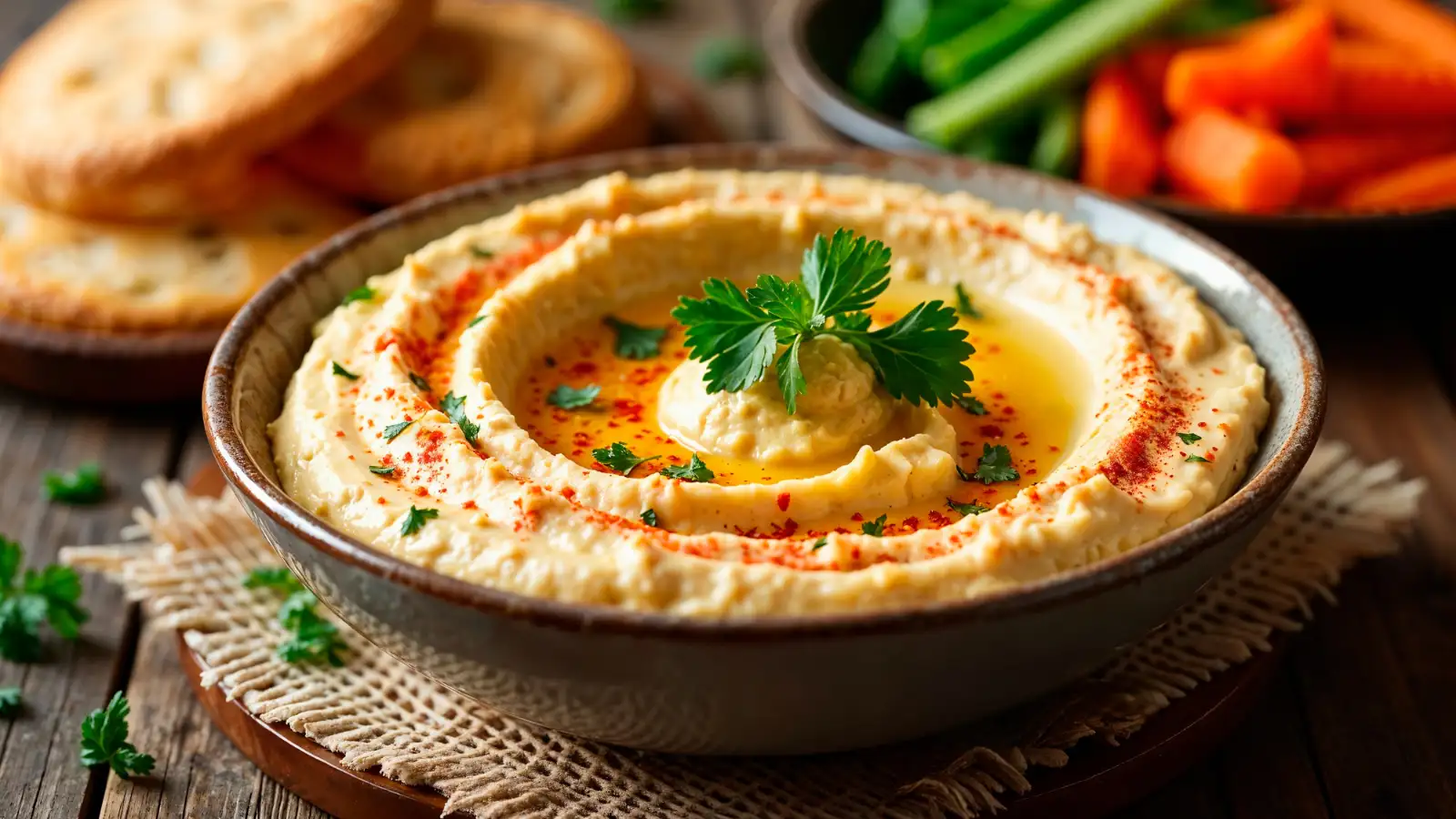
Here are 10 examples of foods that made that transition.
Its thick texture and higher protein content compared with many conventional yoghurts also gave consumers a straightforward nutritional reason to try it. Greek yoghurt's share of the US spoonable yoghurt market rose from 4.4% in 2009 to 46.3% in 2021.
Its versatility was another advantage. Hummus works with pita, vegetables, sandwiches and snack plates, while variations such as roasted pepper and beetroot broadened its appeal.
Naturally gluten-free and used much like a grain, quinoa fitted neatly into changing eating habits. However, its rapid commercialisation also highlighted questions around producer livelihoods and food security.
Its rise also demonstrated the power of word-of-mouth. Huy Fong Foods built a large following without relying on conventional advertising.
The change was not simply about the ingredient. New formats made matcha easier for consumers to discover and enjoy.
Convenient packaging helped transform a specialist fermented drink into a product that could reach a national market.
Aseptic packaging allowed coconut water to be processed and distributed far beyond areas where fresh coconuts were readily available.
It soon appeared in salads, smoothies, soups and packaged snacks. Changing presentation helped consumers see a familiar ingredient in a completely different way.
When soaked, chia develops a gel-like texture, making it suitable for puddings, smoothies, breakfast bowls and baking. That flexibility helped the ingredient move beyond specialist health-food shops.
Restaurants and food media helped popularise the idea, while social media made the dish highly visual and easy to recreate at home.
For a niche ingredient to succeed, consumers need to understand it, know how to use it and have easy access to it.
The next major food trend may not necessarily be a completely new ingredient. It could simply be an old one presented in a way that makes a new generation want to try it.
Here are 10 examples of foods that made that transition.
1. Greek Yoghurt
Greek yoghurt became a major commercial category in the US after Chobani entered the market in 2007. Its focus on Greek yoghurt and mass-market distribution helped bring the product to a much larger audience.Its thick texture and higher protein content compared with many conventional yoghurts also gave consumers a straightforward nutritional reason to try it. Greek yoghurt's share of the US spoonable yoghurt market rose from 4.4% in 2009 to 46.3% in 2021.
2. Hummus
Packaged hummus began appearing in UK supermarkets decades ago, with Waitrose selling it from 1987. Its popularity grew as supermarkets, restaurants and chefs introduced more consumers to Middle Eastern flavours.Its versatility was another advantage. Hummus works with pita, vegetables, sandwiches and snack plates, while variations such as roasted pepper and beetroot broadened its appeal.
3. Quinoa
Quinoa has been cultivated in the Andes for thousands of years, but its reputation changed dramatically as global demand grew. The United Nations declared 2013 the International Year of Quinoa, highlighting its nutritional qualities and cultural importance.Naturally gluten-free and used much like a grain, quinoa fitted neatly into changing eating habits. However, its rapid commercialisation also highlighted questions around producer livelihoods and food security.
4. Sriracha
Sriracha moved from Asian restaurants and specialist food communities into mainstream kitchens. Its distinctive blend of chilli, garlic, vinegar, sweetness and salt made it useful far beyond traditional Asian dishes.Its rise also demonstrated the power of word-of-mouth. Huy Fong Foods built a large following without relying on conventional advertising.
5. Matcha
Matcha's roots lie in Japanese tea culture, but cafés helped give it a new global identity. Starbucks introduced its Green Tea Latte in 2006, while matcha subsequently appeared in iced drinks, desserts and other convenient formats.The change was not simply about the ingredient. New formats made matcha easier for consumers to discover and enjoy.
6. Kombucha
Once closely associated with home fermentation and natural-food communities, kombucha became more accessible through bottled products. GT began selling bottled kombucha in Los Angeles in 1995 before expanding into Whole Foods stores across California.Convenient packaging helped transform a specialist fermented drink into a product that could reach a national market.
7. Coconut Water
Coconut water's growth shows how packaging can expand an ingredient's reach. Vita Coco launched in the US in 2004, when the country's coconut-water market was still small. By 2020, US retail sales of the category had reached approximately $658 million.Aseptic packaging allowed coconut water to be processed and distributed far beyond areas where fresh coconuts were readily available.
8. Kale
Kale's transformation was largely about perception. Once viewed simply as a vegetable, it became closely associated with healthy eating and modern wellness culture.It soon appeared in salads, smoothies, soups and packaged snacks. Changing presentation helped consumers see a familiar ingredient in a completely different way.
9. Chia Seeds
Chia seeds found a new audience through the rise of wellness-focused eating. Their appeal combined nutritional qualities with useful culinary properties.When soaked, chia develops a gel-like texture, making it suitable for puddings, smoothies, breakfast bowls and baking. That flexibility helped the ingredient move beyond specialist health-food shops.
10. Avocado
Avocado became a staple of modern café culture through dishes such as avocado toast. The combination was simple: familiar toast paired with avocado's creamy texture and distinctive colour.Restaurants and food media helped popularise the idea, while social media made the dish highly visual and easy to recreate at home.
What Makes A Niche Food Go Mainstream?
These examples reveal a common pattern. Health benefits, convenience, versatility, restaurant culture, packaging and presentation can all help an unfamiliar or specialist food reach a much wider audience.For a niche ingredient to succeed, consumers need to understand it, know how to use it and have easy access to it.
Could India Be The Next Big Food Trend?
India already has countless traditional ingredients with mainstream potential. Millets, fermented foods, regional grains, traditional drinks and indigenous ingredients could find new audiences through modern packaging, wider distribution and contemporary formats.The next major food trend may not necessarily be a completely new ingredient. It could simply be an old one presented in a way that makes a new generation want to try it.
Next Story