
10 Popular Vegan Milk Alternatives From Soy To Oat For A Plant-Based Diet

Soy, Oat, Almond And More: 10 Vegan Milk Alternatives Worth Trying
Looking Beyond Dairy? 10 Popular Plant-Based Milk Options To Add To Your Diet
From Soy To Pea Milk: 10 Vegan Alternatives For Coffee, Cereal And Cooking
Vegan Milk Alternatives: 10 Plant-Based Options And What Makes Each Different
Plant-Based Milk Guide: 10 Popular Vegan Alternatives To Try Beyond Dairy
Keywords
vegan milk alternatives, plant-based milk, soy milk , oat milk , dairy-free milk , vegan diet
Meta Description
Explore 10 popular vegan milk alternatives, from soy and oat to almond and pea milk, and learn how each can fit into a plant-based diet.
Synopsis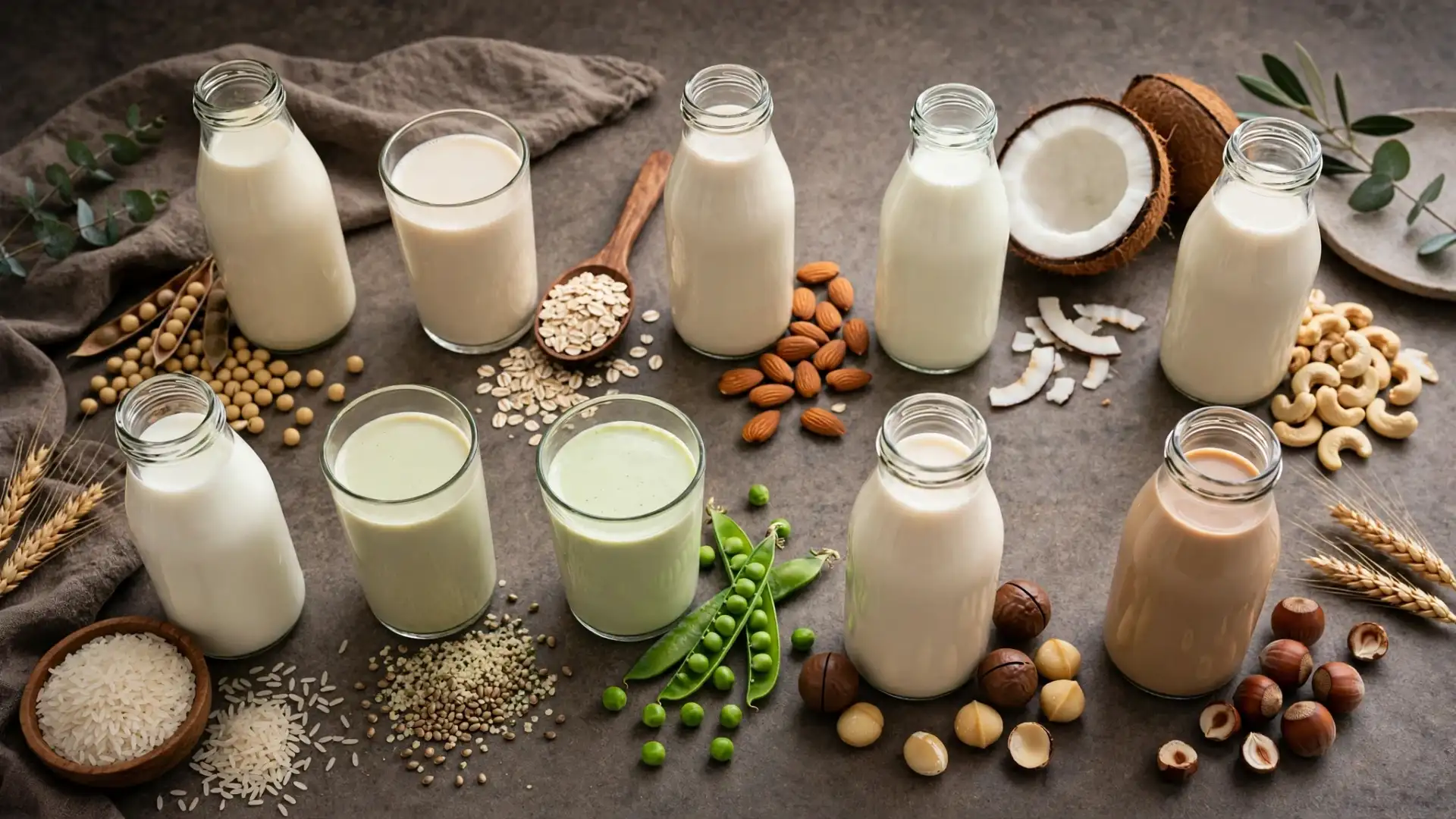
Choosing a milk alternative is no longer limited to picking between soy and almond milk. Supermarket shelves now offer a broad range of plant-based milk, made from ingredients including oats, peas, rice, coconut, cashews and even potatoes. For people following a vegan diet, avoiding dairy or simply looking for variety, these options can make everyday meals more flexible. Their taste, texture and nutritional value can differ considerably, so the best choice often depends on how the drink will be used and what nutrients an individual wants from it.
Fortified products can help provide nutrients commonly associated with dairy, while unsweetened varieties may be preferable for people trying to limit added sugar. The right vegan milk alternatives ultimately depend on dietary needs, taste preferences and how they are being used.
Image Courtesy: Meta AI
Looking Beyond Dairy? 10 Popular Plant-Based Milk Options To Add To Your Diet
From Soy To Pea Milk: 10 Vegan Alternatives For Coffee, Cereal And Cooking
Vegan Milk Alternatives: 10 Plant-Based Options And What Makes Each Different
Plant-Based Milk Guide: 10 Popular Vegan Alternatives To Try Beyond Dairy
Keywords
vegan milk alternatives, plant-based milk, soy milk , oat milk , dairy-free milk , vegan diet
Meta Description
Explore 10 popular vegan milk alternatives, from soy and oat to almond and pea milk, and learn how each can fit into a plant-based diet.
Synopsis
Choosing a milk alternative is no longer limited to picking between soy and almond milk. Supermarket shelves now offer a broad range of plant-based milk, made from ingredients including oats, peas, rice, coconut, cashews and even potatoes. For people following a vegan diet, avoiding dairy or simply looking for variety, these options can make everyday meals more flexible. Their taste, texture and nutritional value can differ considerably, so the best choice often depends on how the drink will be used and what nutrients an individual wants from it.
1. Soy Milk
Soy milk is among the best-known vegan milk alternatives and is naturally rich in plant protein. According to nutrition experts, fortified versions can also provide nutrients such as calcium and vitamin B12, making them a practical dairy substitute.2. Oat Milk
Oat milk has become particularly popular for its creamy texture and slightly sweet flavour. It works well in coffee, smoothies and breakfast cereals, although its protein content is generally lower than that of soy milk.3. Almond Milk
Made from almonds and water, almond milk has a light texture and mild nutty taste. Unsweetened varieties are often low in calories, while fortified products can provide calcium and other added nutrients.4. Coconut Milk
Coconut milk sold as a beverage is different from the thick coconut milk commonly used in cooking. The drink has a distinctive tropical flavour and can add richness to smoothies and desserts.5. Rice Milk
Rice milk has a naturally mild and slightly sweet taste, making it an option for people who prefer a lighter beverage. However, it is relatively low in protein compared with soy and pea-based alternatives.6. Cashew Milk
Cashew milk is known for its smooth texture and subtle nutty flavour. It can work particularly well in coffee, cereals and blended drinks, while fortified versions may offer additional nutrients.7. Pea Milk
Pea milk is made from pea protein and has gained attention as another protein-rich plant-based milk. According to experts, it can be a useful option for people seeking a dairy-free beverage with a higher protein content.8. Hemp Milk
Hemp milk is made from hemp seeds and water and has a distinctive earthy, nutty flavour. It can be used in smoothies and cereals, although its taste may not appeal to everyone.9. Potato Milk
Potato milk is a newer addition to the plant-based milk market. It generally has a relatively neutral taste and can be used in drinks, cooking and baking, depending on the product.10. Hazelnut Milk
Hazelnut milk offers a noticeable nutty flavour and can be particularly appealing in coffee, cereal and desserts. Like other nut-based options, people with nut allergies should avoid it.Which plant-based milk should you choose?
There is no single best plant-based milk for everyone. Nutritionists generally recommend checking the label for protein, calcium, vitamin D, vitamin B12, added sugar and overall nutritional content when choosing dairy-free milk.Fortified products can help provide nutrients commonly associated with dairy, while unsweetened varieties may be preferable for people trying to limit added sugar. The right vegan milk alternatives ultimately depend on dietary needs, taste preferences and how they are being used.
Image Courtesy: Meta AI
Next Story