
Need a Break From the Internet? 10 Places Where You Can Truly Disconnect

The modern travel experience often comes with an invisible companion: the internet. From checking directions and uploading photographs to answering work messages, staying connected has become part of almost every journey. Even a holiday can feel incomplete without a steady stream of updates from the outside world.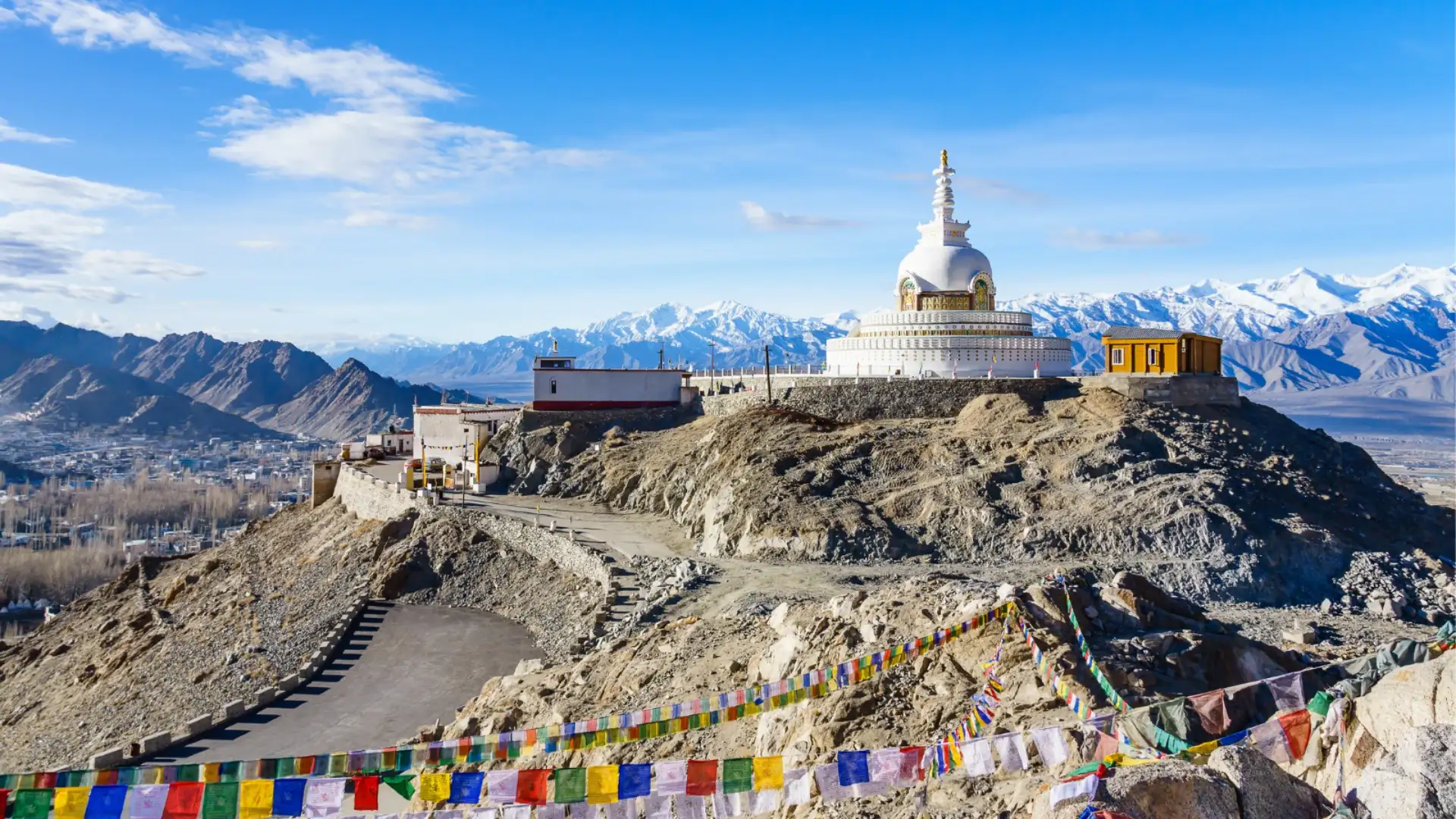
But what happens when the signal disappears?
In some remote corners of the world, mobile connectivity is patchy, internet access is unreliable or reaching the nearest connected settlement requires hours of travel. These destinations offer something increasingly difficult to find in everyday life: an opportunity to experience a place without constantly checking a screen.
From the high-altitude landscapes of the Himalayas to isolated islands and vast wilderness areas, here are 10 destinations where travellers can experience a genuine break from digital distractions. Connectivity varies by location and season, so these places should be understood as opportunities for limited connectivity rather than guaranteed internet-free zones.
The experience is not entirely offline. Kaza and Tabo have connectivity in many areas, but the signal can disappear along remote roads and mountain passes. This makes Spiti particularly appealing to travellers who want to spend more time exploring villages, walking through the landscape and interacting with local communities.
Best for: Mountain lovers, slow travellers and anyone seeking a quieter Himalayan escape.
The journey itself is part of the experience, with rugged roads, deep valleys and small settlements creating a sense of distance from urban life. Connectivity is generally better in larger settlements than on remote routes, but travellers should not assume they will have access throughout their visit.
For those who enjoy trekking, photography and experiencing Himalayan landscapes at a slower pace, Zanskar offers a compelling reason to put the phone away.
Best for: Adventure travellers, trekkers and those comfortable with remote travel.
The lack of a dependable signal encourages visitors to focus on the surroundings rather than checking notifications. The landscape, changing light and quiet atmosphere become the main attractions.
Chandratal is a seasonal destination, and access depends on road and weather conditions. Travellers should prepare for limited facilities, carry essential supplies and check local travel guidance before setting out.
Best for: Nature enthusiasts, photographers and travellers looking for a quiet mountain retreat.
The destination is well suited to travellers who enjoy observing wildlife, exploring wide-open terrain and spending time in nature without a packed itinerary. However, the altitude and remote setting require careful planning.
Visitors should allow time to acclimatise, check road conditions and carry sufficient food, water, warm clothing and emergency essentials. A lack of connectivity can make the experience peaceful, but it also means travellers need to be more self-reliant.
Best for: Wildlife enthusiasts, landscape photographers and experienced high-altitude travellers.
The experience is especially rewarding for travellers who want to spend time watching the changing colours of the water, photographing the landscape or simply enjoying the stillness of the surroundings.
However, Pangong is not completely disconnected in every location. Network availability depends on the precise area and operator, and conditions can change as infrastructure develops. Travellers should download maps and save accommodation details before leaving areas with dependable connectivity.
Best for: Landscape photography, road trips and travellers seeking dramatic natural scenery.
Mobile coverage can be unreliable on remote trails and in secluded sections of the park. Instead of navigating the day around messages and notifications, visitors can focus on hiking, birdwatching and observing the natural environment.
Trekking in the park requires preparation, and some routes may require permits or local guidance. Travellers should not rely exclusively on digital navigation or online information while exploring remote terrain.
Best for: Hikers, birdwatchers and nature enthusiasts who enjoy walking away from crowded tourist areas.
River journeys and guided excursions offer an opportunity to experience the forest's remarkable biodiversity while spending less time online. The sounds of wildlife, the movement of the river and the dense vegetation become the focus of the journey.
Conditions vary considerably across the Amazon. Some lodges offer Wi-Fi or satellite-based connections, while more remote areas may have little communication infrastructure. Travelling with experienced local guides and following safety advice is essential.
Best for: Wildlife enthusiasts, eco-tourists and travellers interested in rainforest ecosystems.
The appeal lies in the scale and isolation of the landscape. Boat journeys, hiking and wildlife observation offer opportunities to experience an environment that feels far removed from the pace of modern urban life.
However, Greenland is not uniformly disconnected. Larger settlements have telecommunications infrastructure, and some accommodation providers offer internet access. Weather, transport availability and the remoteness of individual locations can also make travel challenging.
Best for: Arctic explorers, wilderness photographers and travellers seeking remote landscapes.
Multi-day treks can provide a natural opportunity to step away from digital routines. Travellers spend their days walking through the landscape, watching the weather change and resting at campsites or mountain refuges.
Some visitor facilities have connectivity, so an entirely offline trip is not guaranteed. Hikers should plan their routes carefully, check park guidance and carry appropriate equipment for changing weather conditions.
Best for: Multi-day trekkers, outdoor enthusiasts and travellers seeking a wilderness experience.
Early-morning excursions, desert walks and watching the changing colours of the dunes can become the central experiences of a visit. The open landscape also encourages travellers to slow down and pay attention to their surroundings.
Connectivity varies by location, and some lodges provide internet access. Because the desert can be harsh and remote, visitors should travel with reliable transport, adequate water and suitable local guidance.
Best for: Desert explorers, landscape photographers and travellers seeking solitude under open skies.
Whether it is a Himalayan village, an isolated Arctic settlement or a trail through Patagonia, these destinations offer a chance to reconsider how much of a journey needs to be documented, shared or interrupted by notifications.
The goal is not to reject technology altogether. It is to make room for experiences that do not require a screen, a signal or an immediate response.
Sometimes, the most memorable part of a trip is not the photograph you upload afterwards. It is the moment you were fully present to experience.
But what happens when the signal disappears?
In some remote corners of the world, mobile connectivity is patchy, internet access is unreliable or reaching the nearest connected settlement requires hours of travel. These destinations offer something increasingly difficult to find in everyday life: an opportunity to experience a place without constantly checking a screen.
From the high-altitude landscapes of the Himalayas to isolated islands and vast wilderness areas, here are 10 destinations where travellers can experience a genuine break from digital distractions. Connectivity varies by location and season, so these places should be understood as opportunities for limited connectivity rather than guaranteed internet-free zones.
1. Spiti Valley, Himachal Pradesh, India
Surrounded by rugged mountains, ancient monasteries and stark high-altitude landscapes, Spiti Valley is an ideal destination for travellers looking to step away from digital distractions. Villages such as Langza, Hikkim and remote parts of Pin Valley can have little or no reliable mobile connectivity.The experience is not entirely offline. Kaza and Tabo have connectivity in many areas, but the signal can disappear along remote roads and mountain passes. This makes Spiti particularly appealing to travellers who want to spend more time exploring villages, walking through the landscape and interacting with local communities.
Best for: Mountain lovers, slow travellers and anyone seeking a quieter Himalayan escape.
2. Zanskar Valley, Ladakh, India
Zanskar is known for its dramatic mountain scenery, remote settlements and demanding trekking routes. Its geographical isolation makes it one of the places where travellers can encounter extended periods without reliable mobile connectivity.The journey itself is part of the experience, with rugged roads, deep valleys and small settlements creating a sense of distance from urban life. Connectivity is generally better in larger settlements than on remote routes, but travellers should not assume they will have access throughout their visit.
For those who enjoy trekking, photography and experiencing Himalayan landscapes at a slower pace, Zanskar offers a compelling reason to put the phone away.
Best for: Adventure travellers, trekkers and those comfortable with remote travel.
3. Chandratal Lake, Himachal Pradesh, India
Located in the high-altitude region of Spiti, Chandratal Lake is known for its striking blue-green water and the mountains surrounding it. Reaching the lake involves travelling through remote terrain, where mobile connectivity can be absent for long stretches.The lack of a dependable signal encourages visitors to focus on the surroundings rather than checking notifications. The landscape, changing light and quiet atmosphere become the main attractions.
Chandratal is a seasonal destination, and access depends on road and weather conditions. Travellers should prepare for limited facilities, carry essential supplies and check local travel guidance before setting out.
Best for: Nature enthusiasts, photographers and travellers looking for a quiet mountain retreat.
4. Tso Moriri, Ladakh, India
Tso Moriri is a high-altitude lake in Ladakh's Changthang region, surrounded by mountains and open landscapes that feel far removed from busy city life. Its remote location means connectivity can be limited, particularly outside established settlements.The destination is well suited to travellers who enjoy observing wildlife, exploring wide-open terrain and spending time in nature without a packed itinerary. However, the altitude and remote setting require careful planning.
Visitors should allow time to acclimatise, check road conditions and carry sufficient food, water, warm clothing and emergency essentials. A lack of connectivity can make the experience peaceful, but it also means travellers need to be more self-reliant.
Best for: Wildlife enthusiasts, landscape photographers and experienced high-altitude travellers.
5. Pangong Tso, Ladakh, India
Pangong Tso is famous for its changing shades of blue and its dramatic mountain setting. Although it attracts many tourists, connectivity can be inconsistent along the route and around remote sections of the lake.The experience is especially rewarding for travellers who want to spend time watching the changing colours of the water, photographing the landscape or simply enjoying the stillness of the surroundings.
However, Pangong is not completely disconnected in every location. Network availability depends on the precise area and operator, and conditions can change as infrastructure develops. Travellers should download maps and save accommodation details before leaving areas with dependable connectivity.
Best for: Landscape photography, road trips and travellers seeking dramatic natural scenery.
6. Great Himalayan National Park, Himachal Pradesh, India
For travellers who prefer forests and mountain trails to long road journeys, the Great Himalayan National Park offers a different kind of escape. Located in Himachal Pradesh, the protected landscape features forests, alpine meadows and rich biodiversity.Mobile coverage can be unreliable on remote trails and in secluded sections of the park. Instead of navigating the day around messages and notifications, visitors can focus on hiking, birdwatching and observing the natural environment.
Trekking in the park requires preparation, and some routes may require permits or local guidance. Travellers should not rely exclusively on digital navigation or online information while exploring remote terrain.
Best for: Hikers, birdwatchers and nature enthusiasts who enjoy walking away from crowded tourist areas.
7. The Amazon Rainforest, South America
The Amazon rainforest stretches across several South American countries, covering an enormous area of tropical forest, rivers and remote settlements. Away from major towns and established tourist lodges, conventional mobile connectivity can be limited or unavailable.River journeys and guided excursions offer an opportunity to experience the forest's remarkable biodiversity while spending less time online. The sounds of wildlife, the movement of the river and the dense vegetation become the focus of the journey.
Conditions vary considerably across the Amazon. Some lodges offer Wi-Fi or satellite-based connections, while more remote areas may have little communication infrastructure. Travelling with experienced local guides and following safety advice is essential.
Best for: Wildlife enthusiasts, eco-tourists and travellers interested in rainforest ecosystems.
8. Remote East Greenland
East Greenland offers a landscape of glaciers, fjords, mountains and small settlements separated by vast stretches of Arctic wilderness. Outside established communities and tourism facilities, connectivity can be limited, making it a destination where visitors may spend substantial periods offline.The appeal lies in the scale and isolation of the landscape. Boat journeys, hiking and wildlife observation offer opportunities to experience an environment that feels far removed from the pace of modern urban life.
However, Greenland is not uniformly disconnected. Larger settlements have telecommunications infrastructure, and some accommodation providers offer internet access. Weather, transport availability and the remoteness of individual locations can also make travel challenging.
Best for: Arctic explorers, wilderness photographers and travellers seeking remote landscapes.
9. Torres del Paine National Park, Chile
Located in Chilean Patagonia, Torres del Paine is known for its dramatic granite peaks, glaciers, lakes and extensive hiking routes. Although the park receives visitors from around the world, mobile connectivity is not dependable across all its trails and remote areas.Multi-day treks can provide a natural opportunity to step away from digital routines. Travellers spend their days walking through the landscape, watching the weather change and resting at campsites or mountain refuges.
Some visitor facilities have connectivity, so an entirely offline trip is not guaranteed. Hikers should plan their routes carefully, check park guidance and carry appropriate equipment for changing weather conditions.
Best for: Multi-day trekkers, outdoor enthusiasts and travellers seeking a wilderness experience.
10. The Namib Desert, Namibia
The Namib Desert is known for its enormous dunes, arid landscapes and striking contrasts between sand, sky and rock. Away from established towns and connected lodges, mobile coverage can become limited, offering travellers an opportunity to spend time in an environment where digital distractions take a back seat.Early-morning excursions, desert walks and watching the changing colours of the dunes can become the central experiences of a visit. The open landscape also encourages travellers to slow down and pay attention to their surroundings.
Connectivity varies by location, and some lodges provide internet access. Because the desert can be harsh and remote, visitors should travel with reliable transport, adequate water and suitable local guidance.
Best for: Desert explorers, landscape photographers and travellers seeking solitude under open skies.
How to Prepare for a Trip With Limited Internet
Disconnecting can be refreshing, but travelling somewhere with unreliable connectivity requires practical preparation.- Download offline maps: Save routes and destination details before leaving a connected area.
- Share your itinerary: Let family or friends know where you are going and when you expect to return.
- Save important information: Keep accommodation bookings, permits, transport details and emergency contacts accessible offline.
- Carry essential supplies: Pack sufficient water, food, medication, warm clothing and other necessities according to the destination.
- Check local conditions: Weather, road access, seasonal closures and communication services can change. Confirm details with local authorities or experienced operators.
- Have an emergency plan: Do not assume that your phone will work everywhere. In particularly remote areas, ask a qualified local operator whether satellite communication or other emergency equipment is appropriate.
Sometimes, the Best Connection Is the One You Make Offline
A break from the internet does not necessarily mean travelling to the most remote place on Earth. It can begin with choosing a destination where the landscape, local experiences and slower pace naturally draw your attention away from your phone.Whether it is a Himalayan village, an isolated Arctic settlement or a trail through Patagonia, these destinations offer a chance to reconsider how much of a journey needs to be documented, shared or interrupted by notifications.
The goal is not to reject technology altogether. It is to make room for experiences that do not require a screen, a signal or an immediate response.
Sometimes, the most memorable part of a trip is not the photograph you upload afterwards. It is the moment you were fully present to experience.
Next Story