
4 Best Foods for Healthy, Glowing Skin

When it comes to looking after your skin, what you put into your body is just as important as the way you treat your skin and the products you use. Different foods and drinks contain nutrients that help keep your skin looking and feeling healthy, so a balanced diet is an important part of skincare.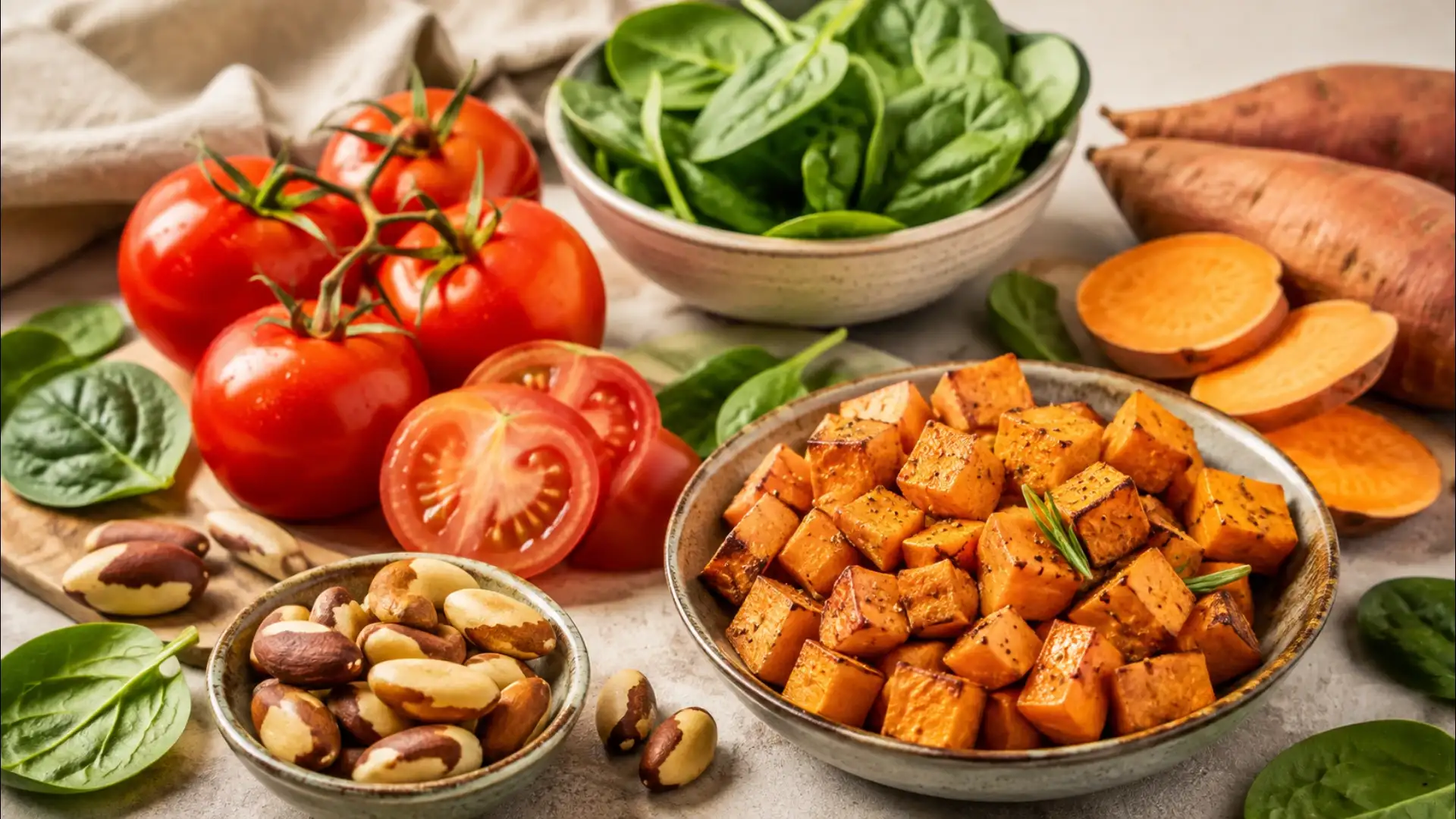
As well as drinking plenty of water, which helps hydrate your skin, some specific foods are very effective at helping to fight acne, keep your skin looking fresh and prevent dryness.
Here are four foods that are great for your skin:
Omega-3 fatty acids also help preserve collagen in your skin. Collagen is responsible for the elasticity of your skin and helps prevent it from sagging. As you age, your body naturally starts producing less collagen, which is why your skin starts to become thinner, less elastic and drier. This is also why wrinkles form.
Increasing the amount of omega-3 fatty acids in your diet by eating cold-water fatty fish can therefore help maintain your skin’s youthful appearance for longer. Fish with high levels of omega-3 fatty acids include salmon, tuna, trout, sardines, mackerel, anchovies and herring.
Brazil nuts also have high levels of antioxidants and vitamin E, which support your skin’s health. Antioxidants help combat free radicals, which can damage collagen, while vitamin E helps maintain the cellular integrity of your skin, helping it stay hydrated.
Although you can benefit from these antioxidants when you eat raw tomatoes, cooking them actually increases the amount of antioxidants that your body can absorb. So, don’t just add raw tomatoes to your salads; try cooking them in sauces or roasting them in the oven.
While beta-carotene can be found in many fruits and vegetables, including oranges, spinach and carrots, sweet potatoes contain particularly high levels. This means you can get a good dose of beta-carotene from a smaller portion.
Sweet potatoes also contain fewer carbohydrates than standard potatoes, making them a healthy alternative for the starchy portion of your meal.
As well as drinking plenty of water, which helps hydrate your skin, some specific foods are very effective at helping to fight acne, keep your skin looking fresh and prevent dryness.
Here are four foods that are great for your skin:
Fatty fish
Fatty fish, such as salmon and mackerel, are full of omega-3 fatty acids, which are important for skin health. Omega-3 fatty acids have several benefits, including helping the skin stay hydrated, protecting it from the sun’s harmful UV rays and reducing inflammation.Omega-3 fatty acids also help preserve collagen in your skin. Collagen is responsible for the elasticity of your skin and helps prevent it from sagging. As you age, your body naturally starts producing less collagen, which is why your skin starts to become thinner, less elastic and drier. This is also why wrinkles form.
Increasing the amount of omega-3 fatty acids in your diet by eating cold-water fatty fish can therefore help maintain your skin’s youthful appearance for longer. Fish with high levels of omega-3 fatty acids include salmon, tuna, trout, sardines, mackerel, anchovies and herring.
Brazil nuts
Brazil nuts are a good source of selenium, which helps promote your skin’s natural glow. Selenium also protects your skin cells against damage from the sun’s harmful UV rays, helping to keep your skin looking and feeling healthy.Brazil nuts also have high levels of antioxidants and vitamin E, which support your skin’s health. Antioxidants help combat free radicals, which can damage collagen, while vitamin E helps maintain the cellular integrity of your skin, helping it stay hydrated.
Tomatoes
Tomatoes are full of antioxidants, particularly vitamin C, quercetin and lycopene, which is a powerful carotenoid responsible for the red colour of ripe tomatoes. Lycopene also protects your skin against the sun’s harmful UV rays and decreases your skin’s sensitivity to sunburn, although you should still use sun protection when you’re outdoors. Lycopene can also improve the texture of your skin.Although you can benefit from these antioxidants when you eat raw tomatoes, cooking them actually increases the amount of antioxidants that your body can absorb. So, don’t just add raw tomatoes to your salads; try cooking them in sauces or roasting them in the oven.
Sweet potatoes
Sweet potatoes are high in beta-carotene, which is a provitamin A. This means that your body can convert it into vitamin A, which helps with UV protection as well as dry skin, wrinkles and cell degeneration. A high intake of beta-carotene has also been found to add a warm orange colour to the skin of people with lighter skin tones.While beta-carotene can be found in many fruits and vegetables, including oranges, spinach and carrots, sweet potatoes contain particularly high levels. This means you can get a good dose of beta-carotene from a smaller portion.
Sweet potatoes also contain fewer carbohydrates than standard potatoes, making them a healthy alternative for the starchy portion of your meal.
Next Story