
4 Pet-Safe Indoor Plants That Are Perfect for Small Apartments

Adding indoor plants to your home is an easy way to make a small apartment feel more inviting, peaceful and refreshing. However, if you have a cat or dog, choosing the right greenery requires extra care. Many common houseplants, including pothos, snake plants and lilies, can be toxic to pets if chewed or swallowed. Fortunately, having a pet doesn't mean you have to give up your love for gardening. Several pet-safe indoor plants can add natural beauty to your living space without exposing your furry companions to unnecessary risks. The ASPCA Animal Poison Control Center identifies several plants that are non-toxic to cats and dogs. Here are four attractive, easy-to-maintain options that are particularly suitable for apartments.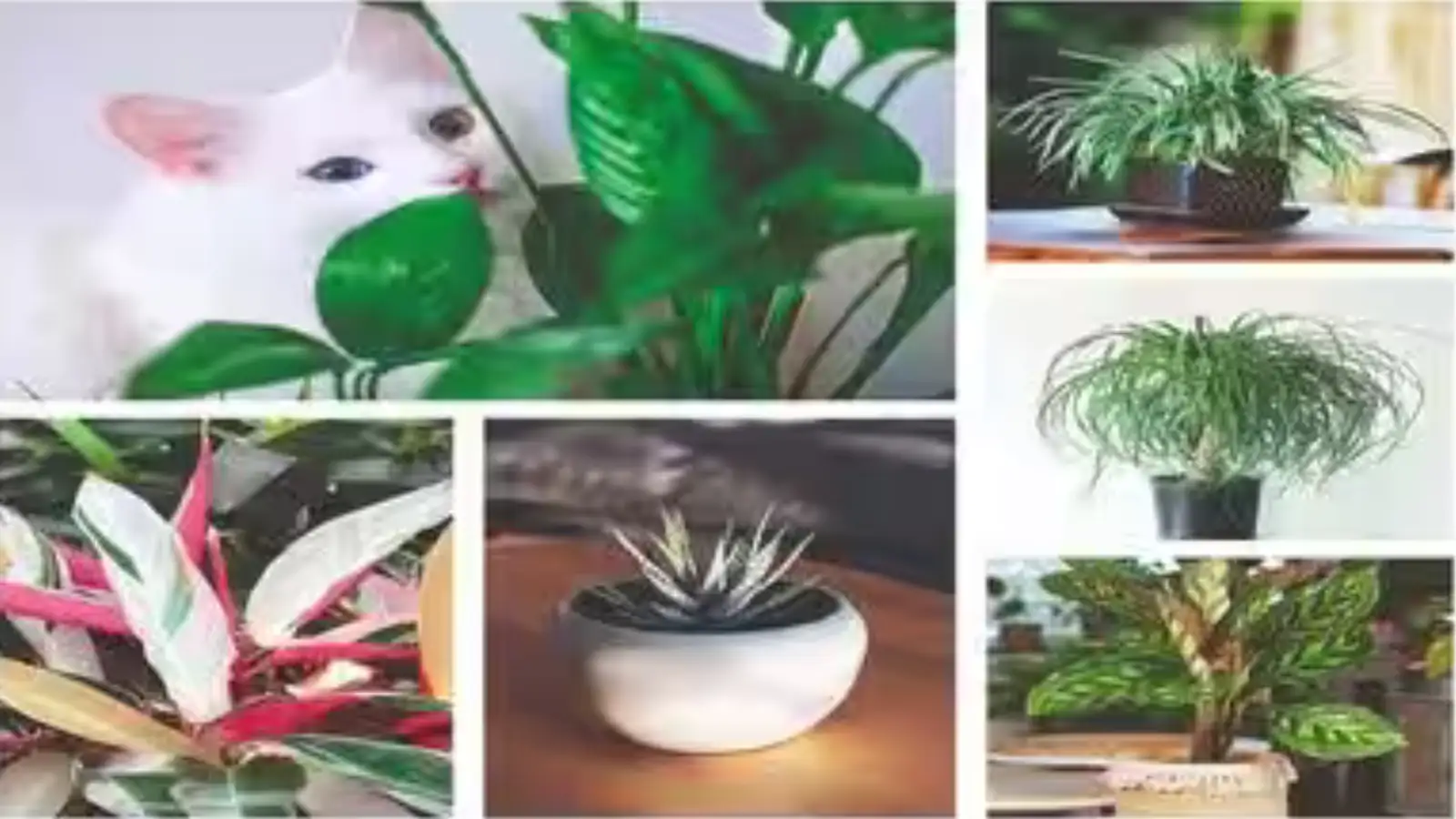
According to the ASPCA, spider plants are non-toxic to both cats and dogs, making them a suitable option for pet-friendly homes. You can place one in a hanging basket or on a high shelf to keep its trailing leaves away from curious pets.
Another advantage is that spider plants are relatively easy to maintain. They grow well in indirect light and can tolerate less-than-perfect watering routines. They are also known for their ability to absorb certain indoor air pollutants, including formaldehyde, as demonstrated in NASA's Clean Air Study.
This slow-growing plant generally reaches around three to four feet in height, making it suitable for apartment corners, desks and shelves. The ASPCA lists the parlor palm as non-toxic to cats and dogs, so it is a good option for households with pets.
Caring for a parlor palm is also fairly simple. It can adapt to different indoor lighting conditions, although bright, indirect light is ideal for healthy growth. Water it when the top inch of soil feels dry, and avoid keeping the roots constantly wet. Its manageable size and low-maintenance nature make it a practical choice for people with busy schedules.
One of its biggest advantages is its compact growth. Usually reaching just six to 12 inches in height, it can easily fit on a windowsill, bedside table or office desk without making your apartment look crowded.
Its thick, glossy leaves store moisture, allowing the plant to manage short periods without watering. It prefers bright, indirect light and needs watering only when its soil begins to dry out. With its attractive foliage and small size, the baby rubber plant is particularly suitable for apartments where space is limited.
Often referred to as prayer plants, some varieties fold their leaves upwards at night and open them again during the day in response to changing light conditions. This natural movement is known as "nyctinasty".
The ASPCA lists calatheas as non-toxic to cats and dogs, making them an attractive option for pet-friendly homes. These plants prefer indirect light and higher humidity levels. You can place them near a kitchen sink or on a bathroom shelf, provided they receive adequate indirect light.
However, calatheas need slightly more attention than some other houseplants. Keep their soil consistently moist without making it waterlogged, and avoid exposing them to direct sunlight, which can damage their delicate leaves.
Here are a few simple precautions to follow:
By choosing suitable varieties, placing them thoughtfully and following basic care practices, you can create a beautiful indoor garden that accommodates every member of your household, including your four-legged companions.
1. Spider Plant
A spider plant is an excellent choice if you want greenery without sacrificing valuable floor space. Its slender, green leaves feature attractive white or cream stripes and grow outwards in graceful arches. As the plant matures, it produces tiny offshoots that hang from its stems, giving it an appealing appearance.According to the ASPCA, spider plants are non-toxic to both cats and dogs, making them a suitable option for pet-friendly homes. You can place one in a hanging basket or on a high shelf to keep its trailing leaves away from curious pets.
Another advantage is that spider plants are relatively easy to maintain. They grow well in indirect light and can tolerate less-than-perfect watering routines. They are also known for their ability to absorb certain indoor air pollutants, including formaldehyde, as demonstrated in NASA's Clean Air Study.
2. Parlor Palm
Want to give your apartment a tropical touch without bringing in a large plant? The parlor palm is worth considering. Its delicate, feather-like green leaves create a relaxed, resort-inspired atmosphere while taking up relatively little space.This slow-growing plant generally reaches around three to four feet in height, making it suitable for apartment corners, desks and shelves. The ASPCA lists the parlor palm as non-toxic to cats and dogs, so it is a good option for households with pets.
Caring for a parlor palm is also fairly simple. It can adapt to different indoor lighting conditions, although bright, indirect light is ideal for healthy growth. Water it when the top inch of soil feels dry, and avoid keeping the roots constantly wet. Its manageable size and low-maintenance nature make it a practical choice for people with busy schedules.
3. Baby Rubber Plant
If you love compact houseplants, the baby rubber plant is another excellent addition to your indoor garden. Despite its name, it is not the same as the regular rubber tree (Ficus elastica), which can be harmful to pets. The baby rubber plant belongs to the Peperomia family and is considered non-toxic to cats and dogs.One of its biggest advantages is its compact growth. Usually reaching just six to 12 inches in height, it can easily fit on a windowsill, bedside table or office desk without making your apartment look crowded.
Its thick, glossy leaves store moisture, allowing the plant to manage short periods without watering. It prefers bright, indirect light and needs watering only when its soil begins to dry out. With its attractive foliage and small size, the baby rubber plant is particularly suitable for apartments where space is limited.
4. Calathea or Prayer Plant
For those who prefer colourful foliage over ordinary green leaves, calatheas can bring plenty of character to an indoor space. Their leaves feature beautiful patterns, with combinations of green, purple, pink and silver that can make even a simple corner look more vibrant.Often referred to as prayer plants, some varieties fold their leaves upwards at night and open them again during the day in response to changing light conditions. This natural movement is known as "nyctinasty".
The ASPCA lists calatheas as non-toxic to cats and dogs, making them an attractive option for pet-friendly homes. These plants prefer indirect light and higher humidity levels. You can place them near a kitchen sink or on a bathroom shelf, provided they receive adequate indirect light.
However, calatheas need slightly more attention than some other houseplants. Keep their soil consistently moist without making it waterlogged, and avoid exposing them to direct sunlight, which can damage their delicate leaves.
Tips for Keeping Indoor Plants Safe Around Pets
Even when you choose non-toxic houseplants, it is important to prevent your pets from chewing on them. Eating large quantities of plant material can sometimes cause stomach discomfort, vomiting or diarrhoea, even if the plant itself is not poisonous.Here are a few simple precautions to follow:
- Choose elevated spots: Keep plants on shelves, window ledges or hanging baskets to reduce your pet's access.
- Avoid toxic varieties: Stay away from commonly harmful plants such as lilies, pothos and snake plants.
- Watch your pets: Observe whether your cat or dog shows an interest in chewing leaves or digging into plant pots.
- Clean fallen leaves: Remove dry leaves and plant debris regularly so pets cannot accidentally swallow them.
- Check plant varieties: Always verify the botanical name before purchasing a plant, as different varieties can have different toxicity levels.
Create a Greener, Pet-Friendly Apartment
You don't need a large garden or a spacious home to enjoy the benefits of indoor greenery. Spider plants, parlor palms, baby rubber plants and calatheas are four attractive options that can brighten up your apartment while reducing the risk of plant-related poisoning in cats and dogs.By choosing suitable varieties, placing them thoughtfully and following basic care practices, you can create a beautiful indoor garden that accommodates every member of your household, including your four-legged companions.
Next Story