
5 Auspicious Plants to Bring Home This Navratri for Wealth and Good Luck

Navratri is considered an ideal time to welcome positivity, peace and prosperity into the home. According to Hindu beliefs, certain sacred plants are associated with divine blessings, financial well-being and protection from negative energies. Bringing these auspicious plants home during Navratri is believed to invite good fortune and strengthen spiritual harmony. From the sacred Tulsi plant to the traditional Shami tree , here are five plants you can consider adding to your home this festive season.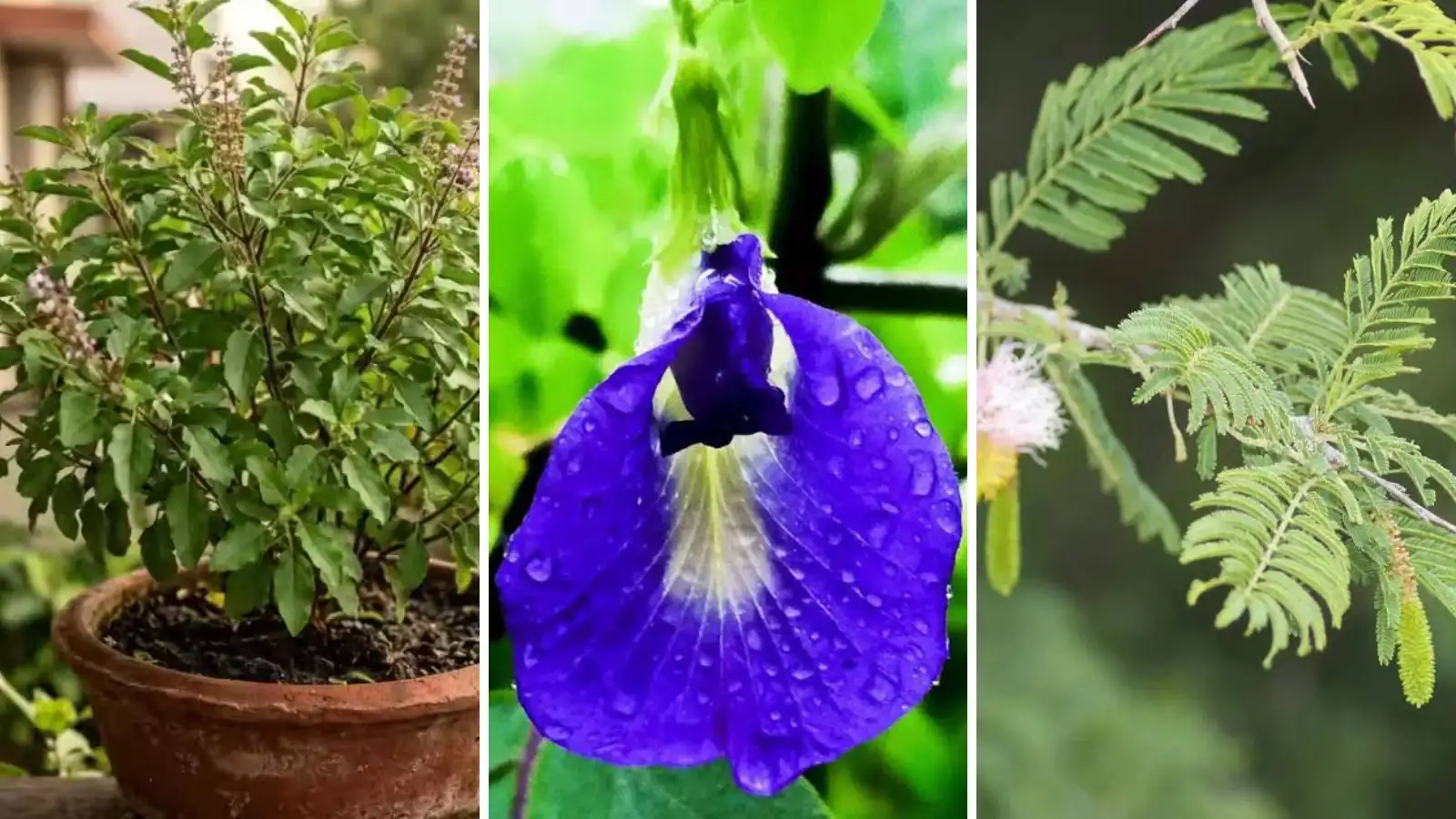
According to religious beliefs, keeping Tulsi at home invites positive energy and encourages prosperity. Many devotees also believe that regular prayers offered to the plant can help overcome financial difficulties and bring peace to the family.
Navratri can be a meaningful occasion to plant Tulsi or give an existing plant a place of importance in your daily worship routine.
Also Read: Navratri 2026: 9 Crystals to Bring Home for Navdurga Blessings and Positive Energy
According to religious beliefs, bringing Shankhpushpi home during Navratri is considered auspicious. The plant is believed to help dispel negative influences, promote harmony among family members and support a positive atmosphere.
If you want to combine your love for greenery with festive traditions, Shankhpushpi can be a thoughtful addition to your home garden.
Many devotees include banana plants in religious ceremonies and rituals, believing that they bring divine blessings and stability to the household. Planting one during Navratri is considered a way to welcome good fortune and seek continued financial well-being.
If you have sufficient outdoor space, a banana plant can also add a lush, tropical touch to your surroundings. Choose a suitable location where it receives the sunlight and growing conditions it needs.
In Hindu traditions, Aparajita is considered auspicious and is associated with Lord Vishnu and Goddess Lakshmi. Keeping the plant in a clean, well-maintained area of the home and offering its flowers during worship are practices followed by some devotees.
Planting Aparajita during Navratri is believed to encourage peace, prosperity and success. Its colourful blooms also make it an appealing choice for balconies, gardens and other suitable growing spaces.
According to traditional beliefs, worshipping the Shami tree can help devotees seek relief from challenges and the adverse effects of planetary influences. Planting or caring for this sacred tree during Navratri is also considered a way to invite stability and spiritual strength into the household.
The Shami tree is particularly meaningful for those who wish to follow traditional practices while seeking blessings for their family's well-being.
Also Read: Navratri 2026: Offer These 7 Flowers to Maa Durga for Wealth, Love and Success
However, the belief that these plants directly attract wealth or remove financial problems is rooted in religious tradition rather than established scientific evidence. Their practical benefits include adding greenery to your home and creating a calming environment when they are cared for properly.
This Navratri, you can welcome these plants as a way to honour cultural traditions, connect with nature and make your home feel more peaceful. Along with prayers and rituals, thoughtful care, responsible financial decisions and positive everyday habits can help you work towards a happier and more balanced life.
1. Tulsi Plant: A Symbol of Wealth and Prosperity
The Tulsi plant holds a special place in Hindu households and is traditionally associated with Goddess Lakshmi, the deity of wealth and abundance. Worshipping Tulsi and caring for the plant are considered auspicious practices, especially during festivals such as Navratri.According to religious beliefs, keeping Tulsi at home invites positive energy and encourages prosperity. Many devotees also believe that regular prayers offered to the plant can help overcome financial difficulties and bring peace to the family.
Navratri can be a meaningful occasion to plant Tulsi or give an existing plant a place of importance in your daily worship routine.
Also Read: Navratri 2026: 9 Crystals to Bring Home for Navdurga Blessings and Positive Energy
2. Shankhpushpi Plant : For Peace and Positive Energy
Shankhpushpi is known for its delicate flowers and traditional significance in Indian culture. It is also associated with traditional wellness practices, while its spiritual symbolism makes it a popular choice for those looking to create a peaceful home environment.According to religious beliefs, bringing Shankhpushpi home during Navratri is considered auspicious. The plant is believed to help dispel negative influences, promote harmony among family members and support a positive atmosphere.
If you want to combine your love for greenery with festive traditions, Shankhpushpi can be a thoughtful addition to your home garden.
3. Banana Plant : Inviting Prosperity and Stability
The banana plant is considered sacred in Hinduism and is closely associated with Lord Vishnu. Since Goddess Lakshmi is traditionally linked with wealth and prosperity, the plant is also regarded as an auspicious symbol of abundance.Many devotees include banana plants in religious ceremonies and rituals, believing that they bring divine blessings and stability to the household. Planting one during Navratri is considered a way to welcome good fortune and seek continued financial well-being.
If you have sufficient outdoor space, a banana plant can also add a lush, tropical touch to your surroundings. Choose a suitable location where it receives the sunlight and growing conditions it needs.
4. Aparajita Plant : A Sign of Victory and Good Fortune
The Aparajita plant, recognised by its attractive blue or white flowers, is valued for its religious and ornamental significance. Its name is commonly associated with victory and the ability to overcome challenges.In Hindu traditions, Aparajita is considered auspicious and is associated with Lord Vishnu and Goddess Lakshmi. Keeping the plant in a clean, well-maintained area of the home and offering its flowers during worship are practices followed by some devotees.
Planting Aparajita during Navratri is believed to encourage peace, prosperity and success. Its colourful blooms also make it an appealing choice for balconies, gardens and other suitable growing spaces.
5. Shami Tree: For Protection and Overcoming Obstacles
The Shami tree has an important place in Hindu religious traditions and is associated with protection, courage and the ability to overcome difficulties. Its leaves are used in certain religious ceremonies, particularly during Dussehra.According to traditional beliefs, worshipping the Shami tree can help devotees seek relief from challenges and the adverse effects of planetary influences. Planting or caring for this sacred tree during Navratri is also considered a way to invite stability and spiritual strength into the household.
The Shami tree is particularly meaningful for those who wish to follow traditional practices while seeking blessings for their family's well-being.
Also Read: Navratri 2026: Offer These 7 Flowers to Maa Durga for Wealth, Love and Success
How to Care for Auspicious Plants During Navratri
Bringing sacred plants home is only the first step. Proper care helps them grow well and keeps your surroundings green and inviting. Here are a few simple tips:- Choose the right location: Check each plant's sunlight, space and temperature requirements before deciding where to place it.
- Avoid overwatering: Different plants have different watering needs, so check the soil before adding more water.
- Keep the surroundings clean: Maintain the area around your plants, particularly if you use it for daily prayers.
- Follow your family traditions: If you worship these plants, observe the rituals and practices meaningful to your household.
- Care for the plants throughout the year: Consistent attention is more beneficial to plant health than planting them only for a festival.
Can These Plants Really Bring Wealth and Good Luck?
Tulsi, Shankhpushpi, banana, Aparajita and Shami are considered auspicious in various Hindu traditions. Their association with prosperity, peace and protection makes them meaningful choices during Navratri.However, the belief that these plants directly attract wealth or remove financial problems is rooted in religious tradition rather than established scientific evidence. Their practical benefits include adding greenery to your home and creating a calming environment when they are cared for properly.
This Navratri, you can welcome these plants as a way to honour cultural traditions, connect with nature and make your home feel more peaceful. Along with prayers and rituals, thoughtful care, responsible financial decisions and positive everyday habits can help you work towards a happier and more balanced life.
Next Story