
5 Best Foods to Add to Your Diet After 50 for Better Health and Energy

Turning 50 brings several changes to the body, making it more important than ever to pay attention to daily nutrition. Muscle mass may gradually decline, bones can become weaker, digestion may slow down, and metabolism may not work as efficiently as before. However, making a few smart dietary choices can help you stay active and healthy as you age. Adding the right foods to your diet after 50 can provide essential nutrients, support heart and brain health, strengthen bones and help maintain energy levels. Here are five nutritious foods worth including in your daily meals.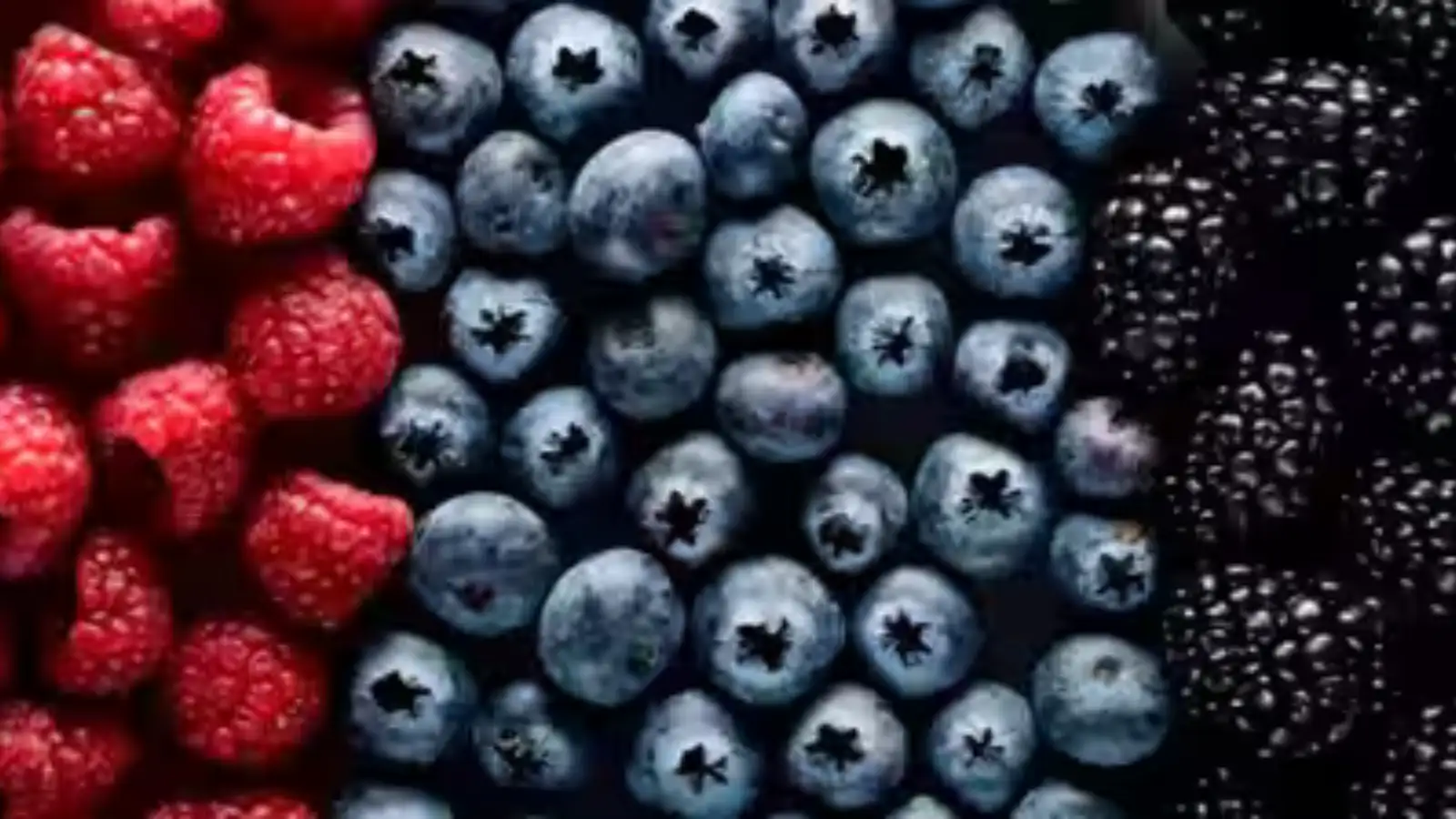
Greek yogurt is an excellent option because it generally contains almost twice as much protein as regular yogurt. It is also a good source of calcium, which helps maintain bone strength and reduces the risk of age-related bone loss.
For maximum nutritional benefits, opt for plain, unsweetened Greek yogurt instead of flavoured varieties that may contain added sugar. You can make it more enjoyable by adding fresh fruits, a pinch of cinnamon or a few nuts. It works well as a breakfast option or a healthy mid-day snack.
They are particularly rich in lutein and zeaxanthin, two antioxidants that help protect eye health and may reduce the risk of age-related macular degeneration. This is especially important as vision-related problems become more common with advancing age.
Leafy greens also provide potassium and dietary nitrates, which support healthy blood circulation and blood pressure regulation. Their nutrient content makes them a valuable addition to a heart-friendly diet.
You don't have to eat them as a separate dish every day. Add spinach to your morning omelette, blend leafy vegetables into smoothies or mix them into soups, pasta and other everyday meals.
One of their biggest nutritional advantages is their anthocyanin content. These natural pigments give many berries their red, purple and blue colours and have antioxidant properties. Research suggests that anthocyanins may support brain health, improve blood flow and help protect cognitive function as you age.
Berries are also rich in dietary fibre, which slows digestion and helps support better blood sugar management. This makes them a useful addition to a balanced diet, particularly for people who want to limit their intake of refined sugar.
You can enjoy berries with Greek yogurt, add them to oatmeal or eat them as an evening snack. Frozen berries are equally nutritious in many cases and are a convenient option when fresh varieties are unavailable.
Legumes such as lentils, chickpeas and black beans are excellent sources of both dietary fibre and plant-based protein. Their soluble fibre can help lower LDL (bad) cholesterol, supporting better heart health. They also help regulate blood sugar levels by slowing the absorption of carbohydrates.
Another important benefit is their role in supporting gut health. Legumes contain prebiotic fibres that nourish beneficial gut bacteria, which contribute to digestion and normal immune function.
There are plenty of easy ways to include them in your meals. Add chickpeas to salads, prepare lentil soup, make dal or include black beans in grain bowls. If you prefer canned beans, rinse them thoroughly before cooking to reduce excess sodium.
Walnuts are rich in plant-based omega-3 fatty acids, particularly alpha-linolenic acid (ALA), along with polyphenols. These beneficial compounds support heart health and contribute to a healthy gut. Regularly including walnuts in a balanced diet may also help improve overall cholesterol levels.
Pumpkin seeds, meanwhile, are packed with magnesium, a mineral involved in hundreds of processes in the body. Magnesium supports normal muscle and nerve function, helps regulate blood pressure and contributes to bone health. Adequate magnesium intake is also important for normal sleep and muscle recovery.
You can eat a small handful of walnuts and pumpkin seeds as an afternoon snack or sprinkle them over salads, oatmeal and yogurt. However, keep portion sizes in mind, as nuts and seeds are relatively high in calories.
Eating well after 50 does not mean following restrictive diets or making drastic changes to your eating habits. Small, consistent choices can make a meaningful difference to your overall health. Greek yogurt, dark leafy greens, berries, legumes, walnuts and pumpkin seeds provide a combination of protein, fibre, healthy fats, antioxidants and essential minerals.
Include these foods in a balanced diet, stay physically active, drink enough water and maintain healthy lifestyle habits. Together, these steps can help support muscle strength, bone health, digestion, heart function and cognitive well-being as you grow older.
1. Greek Yogurt for Stronger Muscles and Bones
Protein becomes increasingly important as you grow older. After 50, the body may find it harder to use dietary protein effectively to maintain and build muscle. This age-related change, known as anabolic resistance, makes it important to include sufficient protein in your meals.Greek yogurt is an excellent option because it generally contains almost twice as much protein as regular yogurt. It is also a good source of calcium, which helps maintain bone strength and reduces the risk of age-related bone loss.
For maximum nutritional benefits, opt for plain, unsweetened Greek yogurt instead of flavoured varieties that may contain added sugar. You can make it more enjoyable by adding fresh fruits, a pinch of cinnamon or a few nuts. It works well as a breakfast option or a healthy mid-day snack.
2. Dark Leafy Greens to Support Eye and Heart Health
Dark leafy vegetables such as spinach, kale and collard greens deserve a regular place on your plate after 50. These vegetables contain essential vitamins, minerals and antioxidants that support several important body functions.They are particularly rich in lutein and zeaxanthin, two antioxidants that help protect eye health and may reduce the risk of age-related macular degeneration. This is especially important as vision-related problems become more common with advancing age.
Leafy greens also provide potassium and dietary nitrates, which support healthy blood circulation and blood pressure regulation. Their nutrient content makes them a valuable addition to a heart-friendly diet.
You don't have to eat them as a separate dish every day. Add spinach to your morning omelette, blend leafy vegetables into smoothies or mix them into soups, pasta and other everyday meals.
3. Berries for Better Brain Health and Blood Sugar Control
If you often crave something sweet, berries can be a nutritious alternative to sugar-rich snacks and desserts. Strawberries, blueberries, raspberries and blackberries offer natural sweetness along with fibre, vitamins and beneficial plant compounds.One of their biggest nutritional advantages is their anthocyanin content. These natural pigments give many berries their red, purple and blue colours and have antioxidant properties. Research suggests that anthocyanins may support brain health, improve blood flow and help protect cognitive function as you age.
Berries are also rich in dietary fibre, which slows digestion and helps support better blood sugar management. This makes them a useful addition to a balanced diet, particularly for people who want to limit their intake of refined sugar.
You can enjoy berries with Greek yogurt, add them to oatmeal or eat them as an evening snack. Frozen berries are equally nutritious in many cases and are a convenient option when fresh varieties are unavailable.
4. Lentils, Chickpeas and Beans for Healthy Digestion
Digestive health deserves extra attention after 50, as changes in physical activity, eating habits and gut function can sometimes contribute to constipation and other digestive concerns. Including enough fibre in your diet can help keep your digestive system functioning smoothly.Legumes such as lentils, chickpeas and black beans are excellent sources of both dietary fibre and plant-based protein. Their soluble fibre can help lower LDL (bad) cholesterol, supporting better heart health. They also help regulate blood sugar levels by slowing the absorption of carbohydrates.
You may also like
- Kolkata's winter is sorted. is yours?
- Why Do You Crave Sweets After Eating? 4 Reasons Behind Dessert Cravings and How to Manage Them
- Geyser Safety Tips 2026: 5 Warning Signs Your Old Water Heater May Need Repair or Replacement
- Why Shiva Drank Poison and Held It in His Throat
- Telehealth for Fertility Care: What You Can Expect
Another important benefit is their role in supporting gut health. Legumes contain prebiotic fibres that nourish beneficial gut bacteria, which contribute to digestion and normal immune function.
There are plenty of easy ways to include them in your meals. Add chickpeas to salads, prepare lentil soup, make dal or include black beans in grain bowls. If you prefer canned beans, rinse them thoroughly before cooking to reduce excess sodium.
5. Walnuts and Pumpkin Seeds for Heart and Muscle Health
Nuts and seeds may be small, but they provide several nutrients that become particularly important with age. Walnuts and pumpkin seeds are two excellent choices that can help fill nutritional gaps in your daily diet.Walnuts are rich in plant-based omega-3 fatty acids, particularly alpha-linolenic acid (ALA), along with polyphenols. These beneficial compounds support heart health and contribute to a healthy gut. Regularly including walnuts in a balanced diet may also help improve overall cholesterol levels.
Pumpkin seeds, meanwhile, are packed with magnesium, a mineral involved in hundreds of processes in the body. Magnesium supports normal muscle and nerve function, helps regulate blood pressure and contributes to bone health. Adequate magnesium intake is also important for normal sleep and muscle recovery.
You can eat a small handful of walnuts and pumpkin seeds as an afternoon snack or sprinkle them over salads, oatmeal and yogurt. However, keep portion sizes in mind, as nuts and seeds are relatively high in calories.
Eating well after 50 does not mean following restrictive diets or making drastic changes to your eating habits. Small, consistent choices can make a meaningful difference to your overall health. Greek yogurt, dark leafy greens, berries, legumes, walnuts and pumpkin seeds provide a combination of protein, fibre, healthy fats, antioxidants and essential minerals.
Include these foods in a balanced diet, stay physically active, drink enough water and maintain healthy lifestyle habits. Together, these steps can help support muscle strength, bone health, digestion, heart function and cognitive well-being as you grow older.






Loving Newspoint? Download the app now
