
India’s Colour-Changing Lakes: 5 Natural Wonders That Transform With the Seasons

Across India, several lakes transform dramatically through the year, reflecting changes in temperature, mineral composition, algae bloom, and even the sunlight's mood. These natural wonders are not only breathtaking to behold but also reveal fascinating stories of ecology, geography, and local legends. These colour-changing lakes are a photographer's dream and a traveller's delight. Here's a look at some of India's most mesmerising lakes that seem to paint themselves anew every few months and the best time to witness their transformations.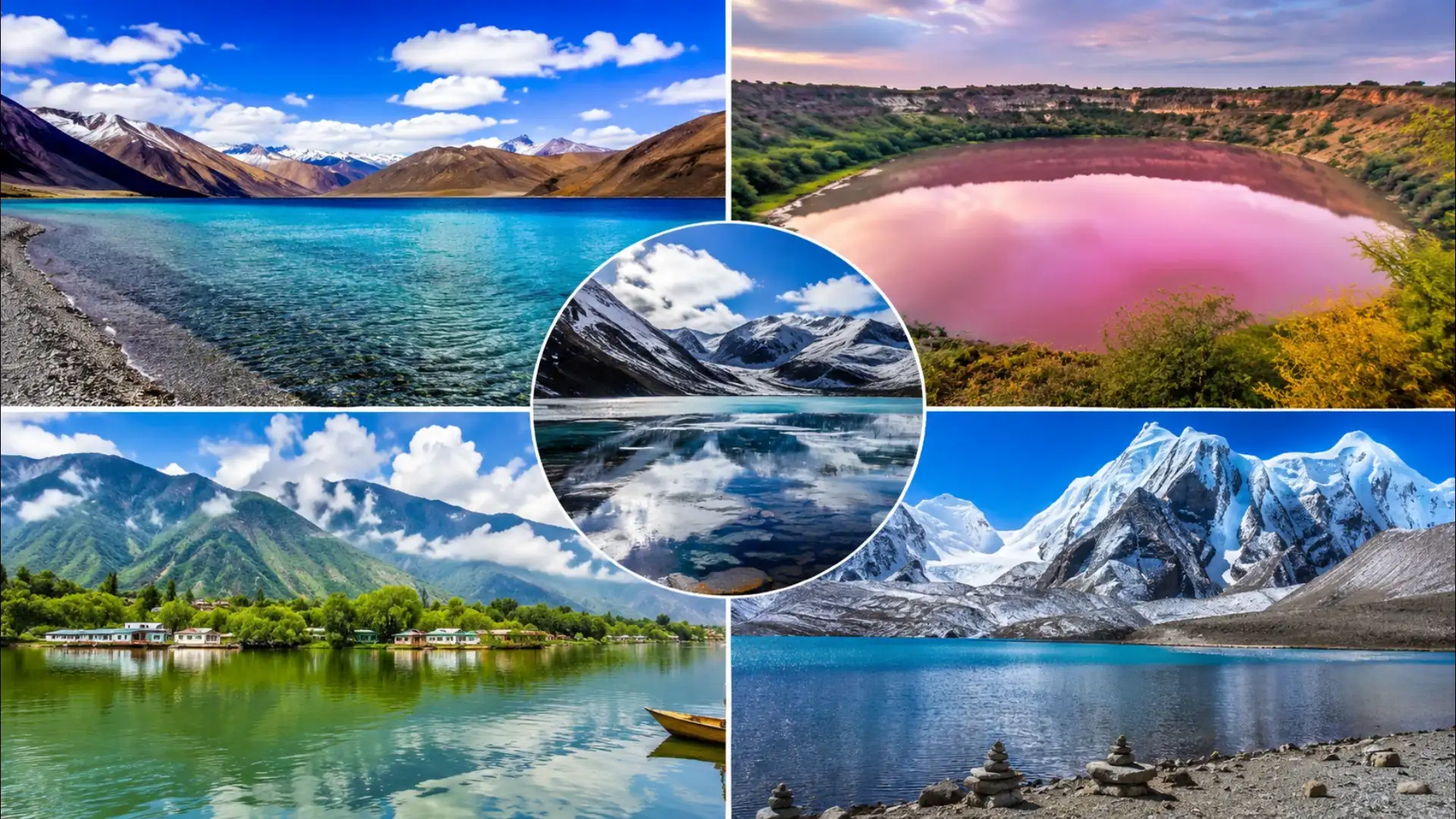
1. Pangong Tso , Ladakh
Arguably India's most famous colour-changing lake, Pangong Tso lies at a breathtaking altitude of 14,270 feet in Ladakh. The lake stretches from India into Tibet and is known for its surreal blue waters that shift shades throughout the day from light turquoise in the morning to deep navy by dusk. The colour transformation is caused by sunlight reflection, mineral content, and the lake's glacial clarity. It's no surprise that Pangong Tso is often described as nature's own mood ring.2. Lonar Crater Lake , Maharashtra
Formed around 50,000 years ago by a meteor impact, Lonar Lake is one of India's most scientifically fascinating natural wonders. It sits inside a massive basaltic crater and surprises visitors with its ability to change colour from greenish-blue to shades of pink. Scientists attribute this to variations in the lake's alkalinity and the growth of specific microorganisms and algae that thrive in warmer months. In 2020, the lake famously turned pink, drawing global attention and research interest.You may also like
- 5 common bra fit myths we've all believed at some point
- Passenger carrying 'Monkey Skull' in bag detained at Delhi airport by CISF; wildlife case now under investigation
- NHAI: A ₹5,000 fine for a one-minute delay—understand the minute-by-minute penalty structure on national highways.
- Shraddha Kapoor just gave the classic angrakha a stunning makeover: See her ₹33,800 festive look
- Why this family decided to leave America for a small European country: 'We sold our house, both of our cars, and everything we owned'
3. Tsomgo Lake , Sikkim
Perched at 12,400 feet, Tsomgo (or Changu) Lake in East Sikkim mirrors the changing seasons like an enchanted mirror. During winter, it freezes into a gleaming sheet of silver; in spring, the melting ice gives way to brilliant aquamarine waters, and by summer, the lake reflects the lush greens and blooming rhododendrons around it. Locals believe that the lake's changing colours are influenced by the moods of the deities who reside within it - a legend that adds to its mystique.4. Manasbal Lake, Jammu & Kashmir
Often called the ‘jewel of Kashmir’, Manasbal Lake is the deepest freshwater lake in the valley. Its hues shift subtly from emerald in spring to cobalt blue in summer due to algae growth and the reflection of surrounding chinar trees and orchards. In late summer, the surface turns slightly brownish as aquatic vegetation thickens, attracting countless migratory birds making it a delight for nature lovers and photographers.5. Gurudongmar Lake, North Sikkim
At over 17,000 feet, Gurudongmar Lake is one of the highest lakes in the world and a sight of spiritual and natural magnificence. The lake's colour varies with the light and season, from milky white in winter to turquoise and sapphire in summer. Local legend says Guru Padmasambhava blessed the lake centuries ago, keeping a small section unfrozen even during peak winter. The reflection of snow-capped peaks adds to the magic.





Loving Newspoint? Download the app now
