
5 Colourful Animals That Look Cute but Can Be Surprisingly Ferocious

Brightly coloured animals often catch our attention, but colourful animals are not always as harmless as they look. In the wild, vivid colours can serve as a warning known as aposematism, signalling to predators that an apparently cute or beautiful creature may be poisonous, venomous or capable of delivering a powerful attack.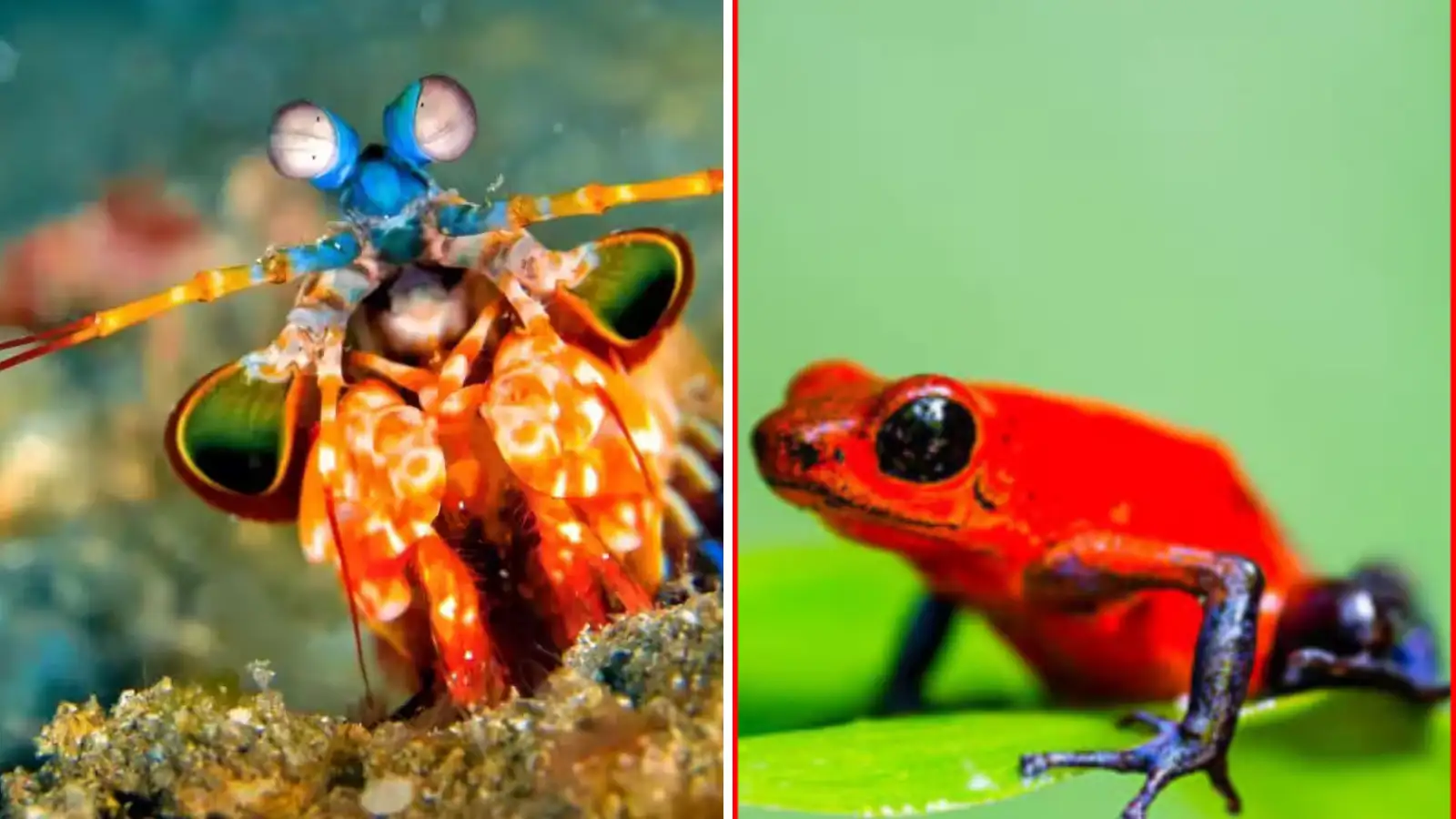
Their striking appearance, however, can be a serious warning. Their skin contains potent alkaloid toxins, with the golden poison frog being particularly notorious. Its toxicity makes this tiny frog one of nature's most remarkable examples of how an attractive appearance can signal danger.
Found in coastal waters and tide pools across parts of the Indian and Pacific Oceans, this tiny octopus carries tetrodotoxin, a powerful neurotoxin. A bite can cause severe paralysis, making this colourful marine creature one that should never be approached simply because it looks fascinating.
A threatened cassowary can defend itself with extremely powerful kicks. Its feet feature a long, dagger-like inner claw that can cause serious injuries. Despite its spectacular appearance, it is a wild animal that deserves plenty of distance and respect.
Its appearance hides an astonishing weapon. Species such as the peacock mantis shrimp use club-like appendages to deliver incredibly rapid strikes. The impact can smash hard shells and stun or kill prey, making the mantis shrimp one of the ocean's most formidable small hunters.
Like several other brightly coloured amphibians, harlequin toads can produce toxic substances through their skin. These chemical defences can deter potential predators, turning their vivid patterns into a natural warning sign.
This strategy, known as aposematism, is particularly common among toxic or venomous animals. Predators that associate a particular colour pattern with an unpleasant or dangerous experience may eventually learn to avoid creatures displaying those colours.
Of course, not every colourful animal is dangerous. Some species are brightly coloured for camouflage, attracting mates or other biological reasons. But when vivid colours are combined with toxins, venom or powerful physical weapons, beauty can become nature's way of saying, "Don't come any closer."
The next time a colourful animal catches your eye, remember: in nature, looking cute does not always mean being harmless.
Poison Dart Frog : Tiny Body, Powerful Toxin
With their neon blue, yellow and red bodies, poison dart frogs look more like tiny toys than dangerous predators. These colourful amphibians are found in the rainforests of Central and South America.Their striking appearance, however, can be a serious warning. Their skin contains potent alkaloid toxins, with the golden poison frog being particularly notorious. Its toxicity makes this tiny frog one of nature's most remarkable examples of how an attractive appearance can signal danger.
Blue-Ringed Octopus : A Beautiful but Deadly Warning
The blue-ringed octopus is small enough to look almost harmless, but its appearance changes dramatically when it feels threatened. Usually displaying a subdued brownish colour, it can suddenly reveal brilliant, glowing blue rings.Found in coastal waters and tide pools across parts of the Indian and Pacific Oceans, this tiny octopus carries tetrodotoxin, a powerful neurotoxin. A bite can cause severe paralysis, making this colourful marine creature one that should never be approached simply because it looks fascinating.
Cassowary : The Colourful Bird You Should Not Underestimate
The cassowary looks extraordinary, with a deep-blue head, bright red neck, distinctive wattles and a helmet-like structure called a casque. Found in northeastern Australia and New Guinea, this large flightless bird is far removed from the image of a harmless, colourful bird.A threatened cassowary can defend itself with extremely powerful kicks. Its feet feature a long, dagger-like inner claw that can cause serious injuries. Despite its spectacular appearance, it is a wild animal that deserves plenty of distance and respect.
Mantis Shrimp : A Rainbow-Coloured Puncher
Few marine animals are as visually striking as the mantis shrimp. Its body can display an extraordinary mix of vivid colours, making it look like a living piece of underwater art.Its appearance hides an astonishing weapon. Species such as the peacock mantis shrimp use club-like appendages to deliver incredibly rapid strikes. The impact can smash hard shells and stun or kill prey, making the mantis shrimp one of the ocean's most formidable small hunters.
You may also like
- The childhood moments children carry into adulthood aren't usually the expensive gifts, but the simple times they felt loved, heard and seen: Here is what you need to know
- Meet Vikas Singh Panwar: Won 50 lakhs in KBC and then months later cleared UPSC in first attempt with AIR 159 at just 22
- Money Plant vs. Pothos: The real difference and how to choose
- 200 Years Of British Rule Couldn't Break This State's Independence—The Fascinating Story Behind It
- Dolly Parton, Jolene, and the timelessness of utter heartbreak
Harlequin Toad : Bright Colours With a Dangerous Secret
The harlequin toad is another example of an animal whose beautiful appearance can be deceptive. Its colourful skin can feature striking combinations of orange, green and black, allowing it to stand out dramatically against rainforest foliage.Like several other brightly coloured amphibians, harlequin toads can produce toxic substances through their skin. These chemical defences can deter potential predators, turning their vivid patterns into a natural warning sign.
Why Do Some Dangerous Animals Have Bright Colours?
In nature, bright colours can have an important survival purpose. Instead of helping an animal hide, they may effectively advertise a warning: stay away.This strategy, known as aposematism, is particularly common among toxic or venomous animals. Predators that associate a particular colour pattern with an unpleasant or dangerous experience may eventually learn to avoid creatures displaying those colours.
Of course, not every colourful animal is dangerous. Some species are brightly coloured for camouflage, attracting mates or other biological reasons. But when vivid colours are combined with toxins, venom or powerful physical weapons, beauty can become nature's way of saying, "Don't come any closer."
Beauty Can Be Nature's Warning Sign
From tiny frogs and octopuses to powerful birds and hard-hitting crustaceans, these animals show why appearances can be misleading in the wild. Their brilliant colours may make them fascinating to observe, but those same colours can also signal powerful defences or weapons.The next time a colourful animal catches your eye, remember: in nature, looking cute does not always mean being harmless.






Loving Newspoint? Download the app now
