5 Common Foods That Are Surprisingly Dangerous for Dogs and Cats

If you have ever wondered which foods are dangerous for pets, the answer may include items sitting in your kitchen right now. While sharing a small bite with your dog or cat can feel harmless, some everyday foods contain compounds that animals cannot safely process. From chocolate and onions to grapes and avocados, seemingly ordinary ingredients can sometimes cause serious or even life-threatening health problems.
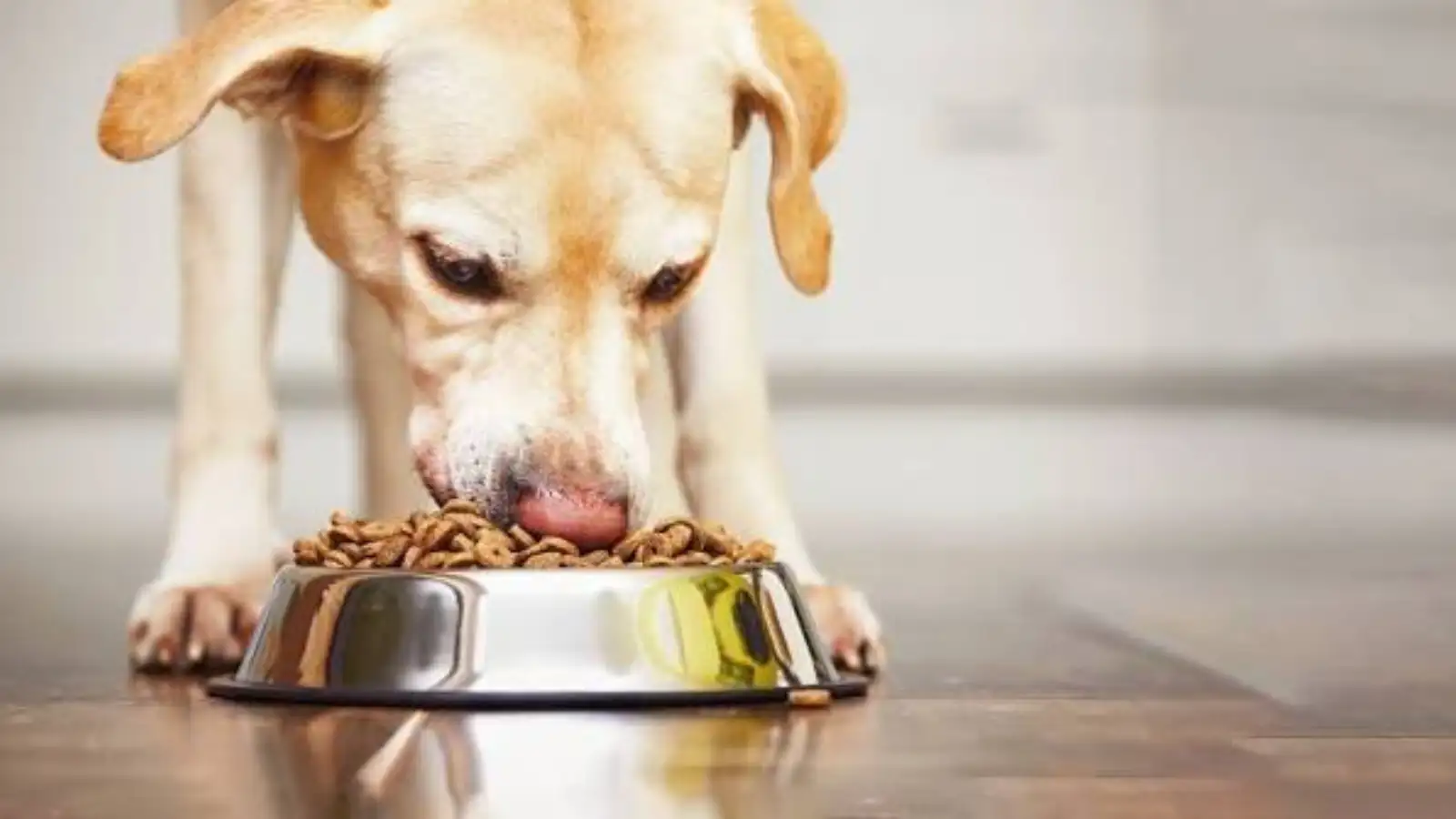
Hero Image


1. Onions and Garlic Can Damage Red Blood Cells

Onions and garlic belong to the Allium family, which contains compounds capable of damaging red blood cells in dogs and cats. In severe cases, this can lead to hemolytic anaemia, where red blood cells are destroyed faster than the body can replace them.

Potential symptoms include:


  • Weakness and tiredness
  • Pale gums
  • Vomiting
  • Breathing difficulties
  • Reduced appetite
One reason these ingredients are particularly risky is that they can appear in foods you may not immediately consider dangerous. Onion and garlic can be found in broths, soups, sauces, meat dishes and seasonings.

Raw, cooked, dried and powdered forms can all pose a risk. Cats are particularly sensitive, although dogs can also become seriously ill after consuming them.


2. Chocolate and Caffeine Can Affect the Heart and Nervous System

Chocolate is another major food hazard for pets. It contains theobromine and caffeine, stimulants that dogs and cats have difficulty metabolising.

The darker and more concentrated the chocolate, the greater the potential danger. Cocoa powder, baking chocolate and dark chocolate can be especially problematic because they generally contain higher concentrations of these compounds.

After consuming chocolate or another caffeinated product, a pet may develop:

  • Excessive thirst
  • Panting or restlessness
  • A rapid heartbeat
  • Muscle tremors
  • Seizures
If your pet eats chocolate, don't wait for symptoms to appear before seeking veterinary advice. The amount consumed, type of chocolate and size of the animal can all influence the severity of the reaction.


3. Grapes and Raisins Can Cause Kidney Failure in Dogs

Grapes, raisins and sultanas are among the foods that should never be deliberately given to dogs. They can cause acute kidney injury and potentially kidney failure, and the amount required to cause illness can vary considerably between individual dogs.

Tartaric acid is believed to play an important role in the toxicity, although individual sensitivity differs. This means there is no reliable amount that can be considered safe.

Early symptoms may include:

  • Vomiting
  • Diarrhoea
  • Lethargy
  • Loss of appetite
In serious cases, kidney function can deteriorate and urine production may stop. Because the reaction can be unpredictable, grapes and raisins should be kept completely away from dogs.

4. Avocado Can Cause Stomach Problems and Choking Hazards

Avocados contain persin, a compound found in the fruit as well as parts of the avocado plant, including its leaves, skin and pit. Dogs and cats are generally less sensitive to persin than some other animals, but eating significant quantities can still cause digestive problems such as vomiting and diarrhoea.


However, the chemical itself isn't the only concern.

The avocado pit is a serious physical hazard. A dog that swallows it may develop an obstruction in the throat, stomach or intestines. Such blockages can become emergencies and may require surgical treatment.

For that reason, it is safest to prevent pets from accessing the entire avocado plant and its discarded parts.

5. Human Food Isn't Always Safe for Pets

Pets process food differently from humans, so something that is perfectly normal for us isn't necessarily suitable for them. Ingredients used in leftovers, sauces, baked goods and packaged foods can contain substances that are harmful to animals.

The safest approach is to avoid giving pets unfamiliar human foods and to keep potentially toxic ingredients securely out of their reach.


What Should You Do If Your Pet Eats a Toxic Food?

If you suspect that your dog or cat has eaten something potentially poisonous, contact a veterinarian as soon as possible, even if the animal appears completely normal. Some toxic reactions can take hours or even days to become obvious.

Keep the food packaging or note down what your pet ate, approximately how much was consumed and when it happened. This information can help a veterinarian assess the situation and determine the appropriate treatment.

Bottom line: When it comes to foods that are dangerous for pets, prevention is far better than waiting for symptoms. Keeping toxic ingredients away from curious paws can help protect your pet from an avoidable emergency.