
5 Everyday Kitchen Habits That Can Naturally Help Improve Your Iron Levels

Iron plays an essential role in keeping the body healthy. It helps produce haemoglobin, a protein in red blood cells that carries oxygen throughout the body. However, low iron levels can leave you feeling tired, weak and less energetic. While eating red meat and taking iron supplements are common ways to address iron deficiency, there are several other options. In fact, adopting a few simple kitchen habits can help improve iron intake and support better absorption, even if you follow a vegetarian diet.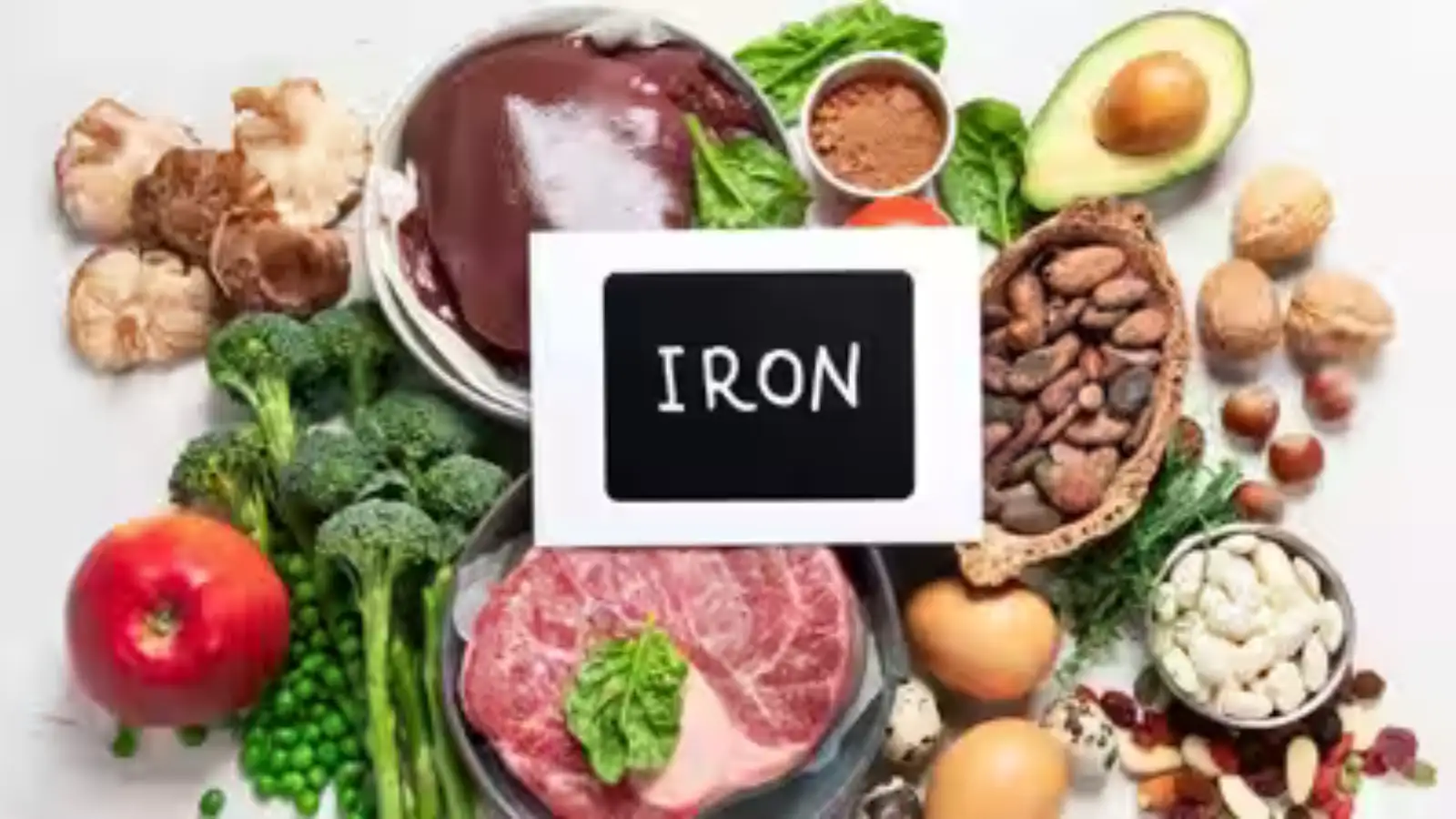
Foods such as tomato-based curries, dal, sambar, sautéed leafy vegetables and tofu can absorb small amounts of iron from cast-iron cookware during the cooking process. The effect can be more noticeable when food is cooked for longer periods or contains acidic ingredients such as tomatoes.
You do not need to change your regular recipes to make this switch. Simply using a well-seasoned cast-iron pan a few times a week can be an easy way to add some extra iron to your meals.
This is where vitamin C can make a difference. It helps improve the absorption of non-heme iron, allowing your body to make better use of the nutrients in your meals.
An easy way to follow this habit is to squeeze fresh lemon juice over dal, add tomatoes or bell peppers to chickpea salads, or include vitamin C-rich fruits such as oranges, amla and guava in your diet. These small food combinations can significantly improve iron absorption without requiring major changes to your eating habits.
Tea and coffee contain natural compounds known as polyphenols and tannins. These compounds can bind to non-heme iron in plant-based foods, making it more difficult for the body to absorb the mineral.
You do not have to stop drinking chai or coffee altogether. Instead, try maintaining a gap of around one to two hours between your meals and these beverages. This simple adjustment can help your body absorb more iron from foods such as dal, beans, vegetables and whole grains.
Dark chocolate containing at least 70% cocoa is a source of dietary iron. A 28-gram serving can provide around 3 milligrams, although the exact amount varies depending on the cocoa content and brand.
Blackstrap molasses is another ingredient worth considering. This thick, dark syrup is produced during sugar refining and contains iron along with minerals such as calcium and magnesium. One tablespoon can provide approximately 3.5 milligrams of iron, depending on the product.
You can add a small quantity of blackstrap molasses to oatmeal, smoothies or warm milk. Similarly, enjoying a small portion of dark chocolate can be another way to include iron-containing foods in your diet. However, remember that these ingredients should complement a balanced diet rather than replace other nutritious foods.
Traditional food preparation methods can help reduce phytic acid and make certain nutrients more accessible.
For instance, soaking rajma, chickpeas, lentils and nuts before cooking can help improve their nutritional availability. Sprouting moong beans and other legumes is another useful practice. Fermentation can also reduce phytic acid levels in certain foods.
Everyday Indian foods such as idli, dosa and fermented batters are good examples of how traditional cooking techniques can support better nutrient availability. You can also include fermented options such as sourdough bread and tempeh in your meals.
Making these small changes to your food preparation routine can help your body get more nutritional value from ingredients you already use regularly.
However, if you consistently experience fatigue, weakness, dizziness or other symptoms associated with low iron, consider getting your haemoglobin and iron levels checked. Confirmed iron deficiency may require medical treatment and prescribed supplements. Dietary changes can support your iron intake, but they should not replace medical advice or treatment when needed.
1. Cook Your Meals in Cast-Iron Cookware
Your choice of cookware can influence the nutritional value of your meals. Cooking in a cast-iron pan or kadhai may increase the amount of iron in your food, particularly when preparing dishes that contain moisture and acidic ingredients.Foods such as tomato-based curries, dal, sambar, sautéed leafy vegetables and tofu can absorb small amounts of iron from cast-iron cookware during the cooking process. The effect can be more noticeable when food is cooked for longer periods or contains acidic ingredients such as tomatoes.
You do not need to change your regular recipes to make this switch. Simply using a well-seasoned cast-iron pan a few times a week can be an easy way to add some extra iron to your meals.
2. Pair Iron-Rich Foods With Vitamin C
Eating iron-rich foods is important, but helping your body absorb that iron is equally necessary. Plant-based foods such as lentils, chickpeas, kidney beans, pumpkin seeds and green leafy vegetables contain non-heme iron, which the body does not absorb as efficiently as the iron found in animal-based foods.This is where vitamin C can make a difference. It helps improve the absorption of non-heme iron, allowing your body to make better use of the nutrients in your meals.
An easy way to follow this habit is to squeeze fresh lemon juice over dal, add tomatoes or bell peppers to chickpea salads, or include vitamin C-rich fruits such as oranges, amla and guava in your diet. These small food combinations can significantly improve iron absorption without requiring major changes to your eating habits.
3. Avoid Drinking Tea and Coffee With Meals
Your daily cup of tea or coffee could be interfering with your body's ability to absorb iron. Although these beverages are popular choices after breakfast, lunch or dinner, drinking them too close to mealtimes may reduce the amount of iron your body absorbs.Tea and coffee contain natural compounds known as polyphenols and tannins. These compounds can bind to non-heme iron in plant-based foods, making it more difficult for the body to absorb the mineral.
You do not have to stop drinking chai or coffee altogether. Instead, try maintaining a gap of around one to two hours between your meals and these beverages. This simple adjustment can help your body absorb more iron from foods such as dal, beans, vegetables and whole grains.
4. Add Dark Chocolate and Blackstrap Molasses to Your Diet
Getting more iron through your everyday diet does not mean giving up your favourite treats. Certain pantry ingredients, including dark chocolate and blackstrap molasses, can provide a useful amount of this essential mineral.Dark chocolate containing at least 70% cocoa is a source of dietary iron. A 28-gram serving can provide around 3 milligrams, although the exact amount varies depending on the cocoa content and brand.
Blackstrap molasses is another ingredient worth considering. This thick, dark syrup is produced during sugar refining and contains iron along with minerals such as calcium and magnesium. One tablespoon can provide approximately 3.5 milligrams of iron, depending on the product.
You can add a small quantity of blackstrap molasses to oatmeal, smoothies or warm milk. Similarly, enjoying a small portion of dark chocolate can be another way to include iron-containing foods in your diet. However, remember that these ingredients should complement a balanced diet rather than replace other nutritious foods.
You may also like
- This Odisha beach town has been named India's cleanest; explore its temples, beaches and heritage village
- Psychology says red lipstick is more than a beauty statement: How a bold red shade can influence confidence, self-image and the way women present themselves
- At 59, British TV anchor announces pregnancy after IVF: Her story sparks debate on older motherhood, fertility, age and what children need from parents
- Exclusive: How Indian designer Mahima Mahajan dressed the Princess of Wales
- Warm Up This Winter with Nutritious Vegetable Soup
5. Soak, Sprout and Ferment Beans and Grains
The way you prepare your food can affect how much iron your body absorbs. Beans, lentils, nuts, seeds and whole grains contain a natural compound called phytic acid. While it serves as a protective substance in plants, it can bind to minerals such as iron and reduce their absorption in the digestive system.Traditional food preparation methods can help reduce phytic acid and make certain nutrients more accessible.
For instance, soaking rajma, chickpeas, lentils and nuts before cooking can help improve their nutritional availability. Sprouting moong beans and other legumes is another useful practice. Fermentation can also reduce phytic acid levels in certain foods.
Everyday Indian foods such as idli, dosa and fermented batters are good examples of how traditional cooking techniques can support better nutrient availability. You can also include fermented options such as sourdough bread and tempeh in your meals.
Making these small changes to your food preparation routine can help your body get more nutritional value from ingredients you already use regularly.
Small Kitchen Changes Can Make a Difference
Improving your iron intake does not always require expensive supplements or major dietary changes. Using cast-iron cookware, combining plant-based iron sources with vitamin C, keeping tea and coffee away from mealtimes, choosing iron-containing pantry ingredients and preparing beans and grains properly are practical habits worth adopting.However, if you consistently experience fatigue, weakness, dizziness or other symptoms associated with low iron, consider getting your haemoglobin and iron levels checked. Confirmed iron deficiency may require medical treatment and prescribed supplements. Dietary changes can support your iron intake, but they should not replace medical advice or treatment when needed.






Loving Newspoint? Download the app now
