
5 Foods That Help Increase Good Cholesterol (HDL) and Support Heart Health

Cholesterol is often associated with heart problems, but not all cholesterol is harmful. High-density lipoprotein (HDL), commonly known as good cholesterol, plays an important role in protecting your heart by collecting excess cholesterol from the bloodstream and transporting it to the liver for removal. Including foods that help increase good cholesterol in your daily diet can support healthier cholesterol levels and improve overall heart health.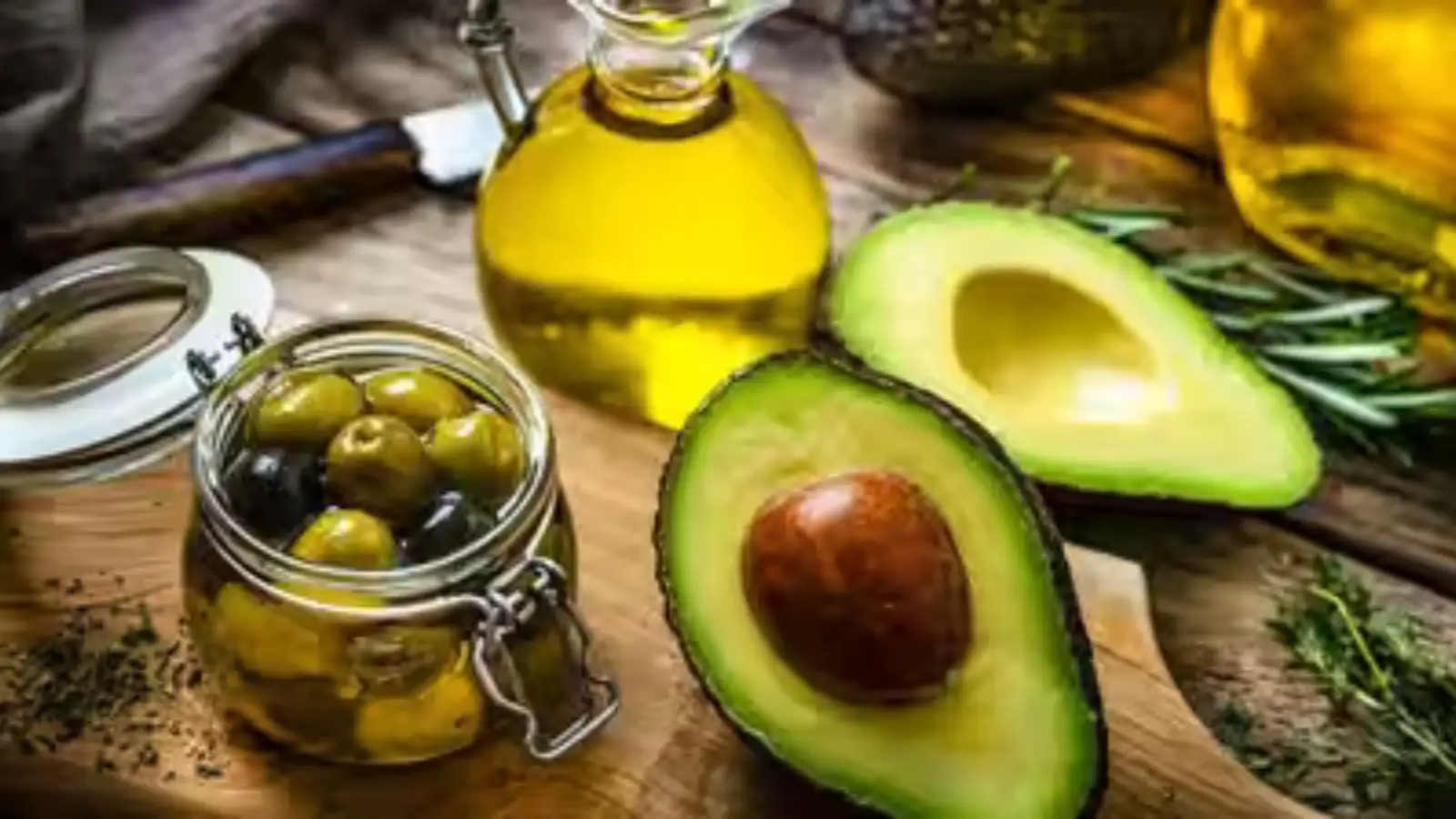
While foods do not directly contain HDL cholesterol, certain ingredients provide healthy fats, dietary fibre, antioxidants and plant-based nutrients that support a healthy cholesterol balance. From olive oil and avocados to nuts, seeds and soy milk, here are five nutritious foods that can help improve your cholesterol profile naturally.
These healthy fats can help maintain HDL cholesterol while reducing the risk associated with excessive LDL cholesterol. Research published in the New England Journal of Medicine highlighted the heart health benefits of a Mediterranean diet supplemented with extra virgin olive oil. Participants following this dietary pattern experienced improvements in cardiovascular health, including beneficial changes in HDL function.
You can easily include olive oil in your everyday meals by using it as a salad dressing, drizzling it over cooked vegetables or adding a small amount to homemade dips. It can also be used as part of a balanced cooking routine.
The monounsaturated fats in avocados can help reduce LDL cholesterol when they replace saturated fats in the diet. Their fibre content also supports healthy digestion and helps regulate cholesterol absorption.
A study published in the Journal of the American Heart Association found that including one avocado daily in a moderate-fat diet improved overall cholesterol levels among overweight adults. It also helped reduce oxidised LDL particles, which are associated with cardiovascular concerns.
For an easy addition to your meals, spread mashed avocado on wholegrain toast, mix diced pieces into salads or add them to a vegetable bowl. Eating avocados in moderation can help you enjoy their nutritional benefits without overloading your daily calorie intake.
Walnuts contain plant-based omega-3 fatty acids, while almonds provide monounsaturated fats, vitamin E and plant sterols. These nutrients help maintain a healthy balance of blood cholesterol and protect cells from oxidative damage.
Research published in the Journal of Nutrition has highlighted the benefits of regular almond consumption, including improvements in cholesterol profiles and HDL function.
Instead of reaching for fried snacks or packaged foods between meals, consider eating a small handful of unsalted almonds and walnuts. You can also add chopped nuts to breakfast cereals, yoghurt, salads or homemade smoothies.
However, since nuts are calorie-dense, keeping portions moderate is important.
Soluble fibre forms a gel-like substance during digestion and helps reduce the absorption of cholesterol in the digestive tract. Regularly consuming fibre-rich foods can therefore contribute to healthier LDL cholesterol levels and improve your overall lipid profile.
Research published in Nutrition & Metabolism has also explored how incorporating flaxseeds into daily meals can support improvements in cholesterol balance.
For better nutrient absorption, use ground flaxseeds instead of consuming them whole. You can mix a spoonful into your morning curd, oatmeal, smoothies or roti dough. Chia seeds can be soaked in water or added to yoghurt and breakfast bowls.
Including these seeds in small quantities every day is an easy way to increase your intake of fibre and healthy fats.
Replacing some sources of saturated fat, such as fatty meat and full-fat dairy products, with soy-based alternatives can help improve your overall cholesterol profile. Soy protein has also been associated with modest reductions in LDL cholesterol and improvements in HDL levels.
A review of clinical trials published in the Journal of the American Heart Association examined the relationship between soy protein consumption and cholesterol levels, highlighting its potential benefits for heart health.
There are several easy ways to include soy in your meals. Add tofu cubes to vegetable stir-fries, enjoy steamed edamame as a snack or use unsweetened soy milk in your breakfast cereal and smoothies.
Making soy-based foods a regular part of a balanced diet can help increase your plant protein intake while supporting better cardiovascular health.
Extra virgin olive oil, avocados, nuts, seeds and soy products can all contribute to better cholesterol management. However, no single food can guarantee an increase in HDL cholesterol or prevent heart disease.
Regular physical activity, maintaining a healthy weight, avoiding smoking, limiting trans fats and following a balanced diet are equally important. If you have high cholesterol or other cardiovascular risk factors, consult a healthcare professional for appropriate testing and treatment rather than relying on dietary changes alone.
While foods do not directly contain HDL cholesterol, certain ingredients provide healthy fats, dietary fibre, antioxidants and plant-based nutrients that support a healthy cholesterol balance. From olive oil and avocados to nuts, seeds and soy milk, here are five nutritious foods that can help improve your cholesterol profile naturally.
1. Extra Virgin Olive Oil
Replacing unhealthy cooking fats with extra virgin olive oil can be a beneficial step towards better heart health. It is rich in monounsaturated fatty acids and antioxidants known as polyphenols, which help protect blood vessels and support healthy cholesterol levels.These healthy fats can help maintain HDL cholesterol while reducing the risk associated with excessive LDL cholesterol. Research published in the New England Journal of Medicine highlighted the heart health benefits of a Mediterranean diet supplemented with extra virgin olive oil. Participants following this dietary pattern experienced improvements in cardiovascular health, including beneficial changes in HDL function.
You can easily include olive oil in your everyday meals by using it as a salad dressing, drizzling it over cooked vegetables or adding a small amount to homemade dips. It can also be used as part of a balanced cooking routine.
2. Avocados
Avocados are packed with nutrients that make them a valuable addition to a heart-friendly diet. Their creamy texture comes with a healthy dose of monounsaturated fats, dietary fibre and antioxidants, which help maintain balanced cholesterol levels.The monounsaturated fats in avocados can help reduce LDL cholesterol when they replace saturated fats in the diet. Their fibre content also supports healthy digestion and helps regulate cholesterol absorption.
A study published in the Journal of the American Heart Association found that including one avocado daily in a moderate-fat diet improved overall cholesterol levels among overweight adults. It also helped reduce oxidised LDL particles, which are associated with cardiovascular concerns.
For an easy addition to your meals, spread mashed avocado on wholegrain toast, mix diced pieces into salads or add them to a vegetable bowl. Eating avocados in moderation can help you enjoy their nutritional benefits without overloading your daily calorie intake.
3. Walnuts and Almonds
A handful of nuts can be a nutritious snack and a simple way to include heart-friendly fats in your diet. Walnuts and almonds, in particular, offer several nutrients that support healthy cholesterol levels.Walnuts contain plant-based omega-3 fatty acids, while almonds provide monounsaturated fats, vitamin E and plant sterols. These nutrients help maintain a healthy balance of blood cholesterol and protect cells from oxidative damage.
Research published in the Journal of Nutrition has highlighted the benefits of regular almond consumption, including improvements in cholesterol profiles and HDL function.
Instead of reaching for fried snacks or packaged foods between meals, consider eating a small handful of unsalted almonds and walnuts. You can also add chopped nuts to breakfast cereals, yoghurt, salads or homemade smoothies.
However, since nuts are calorie-dense, keeping portions moderate is important.
4. Flaxseeds and Chia Seeds
Small but nutritionally rich, flaxseeds and chia seeds are excellent additions to a heart-conscious diet. Both contain alpha-linolenic acid (ALA), a plant-based omega-3 fatty acid, along with soluble fibre that helps manage cholesterol levels.Soluble fibre forms a gel-like substance during digestion and helps reduce the absorption of cholesterol in the digestive tract. Regularly consuming fibre-rich foods can therefore contribute to healthier LDL cholesterol levels and improve your overall lipid profile.
Research published in Nutrition & Metabolism has also explored how incorporating flaxseeds into daily meals can support improvements in cholesterol balance.
For better nutrient absorption, use ground flaxseeds instead of consuming them whole. You can mix a spoonful into your morning curd, oatmeal, smoothies or roti dough. Chia seeds can be soaked in water or added to yoghurt and breakfast bowls.
Including these seeds in small quantities every day is an easy way to increase your intake of fibre and healthy fats.
You may also like
- How much have workers benefited one year after the implementation of the labour codes? What facilities have they received?
- 8th Pay Commission: Will the minimum pension be Rs 45,000? Find out how much you will actually receive based on a 2.50 fitment factor..
- Has there been a major change in LPG cylinder prices changed significantly? Find out the current cost of booking gas.
- Forgot your PPO number? No need to worry—just follow these simple steps...
- A smart way to earn with Auto-Sweep FDs—your money remains accessible, and you earn higher interest too..
5. Soy Foods Such as Tofu, Edamame and Soy Milk
Adding soy-based foods to your diet can be another effective way to support healthy cholesterol levels. Soybeans are rich in plant-based protein and contain natural compounds called isoflavones, which have been studied for their potential cardiovascular benefits.Replacing some sources of saturated fat, such as fatty meat and full-fat dairy products, with soy-based alternatives can help improve your overall cholesterol profile. Soy protein has also been associated with modest reductions in LDL cholesterol and improvements in HDL levels.
A review of clinical trials published in the Journal of the American Heart Association examined the relationship between soy protein consumption and cholesterol levels, highlighting its potential benefits for heart health.
There are several easy ways to include soy in your meals. Add tofu cubes to vegetable stir-fries, enjoy steamed edamame as a snack or use unsweetened soy milk in your breakfast cereal and smoothies.
Making soy-based foods a regular part of a balanced diet can help increase your plant protein intake while supporting better cardiovascular health.
Simple Dietary Changes Can Make a Difference to Heart Health
Maintaining healthy cholesterol levels is not about eliminating all fats from your diet. Instead, the focus should be on choosing healthier fats, eating enough fibre and including nutrient-rich whole foods in your everyday meals.Extra virgin olive oil, avocados, nuts, seeds and soy products can all contribute to better cholesterol management. However, no single food can guarantee an increase in HDL cholesterol or prevent heart disease.
Regular physical activity, maintaining a healthy weight, avoiding smoking, limiting trans fats and following a balanced diet are equally important. If you have high cholesterol or other cardiovascular risk factors, consult a healthcare professional for appropriate testing and treatment rather than relying on dietary changes alone.






Loving Newspoint? Download the app now
