
5 Foods That Secretly Lower Bad Cholesterol


Lowering bad cholesterol does not always require a major lifestyle overhaul. Sometimes, small changes on your plate can make a meaningful difference. Foods rich in soluble fibre, healthy fats, and antioxidants help reduce LDL cholesterol while supporting healthy blood vessels. Here are five foods that deserve a regular place in your diet if you want to take better care of your heart.

Start Your Day With Oats

A bowl of oatmeal is one of the simplest ways to support healthy cholesterol levels. Oats contain beta-glucan, a type of soluble fibre that binds with cholesterol in the digestive system and helps remove it from the body before it enters the bloodstream. Adding fresh fruits such as berries or bananas increases the fibre content even further. Eating oats regularly as part of a balanced breakfast may help reduce LDL cholesterol while keeping you full for longer.
Choose Fatty Fish More Often
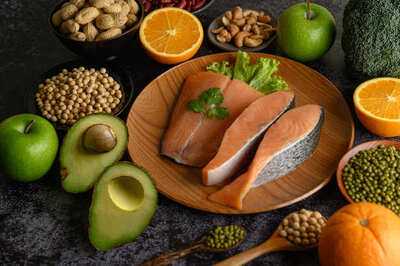
Replacing processed or fatty meats with fish is a smart choice for your heart. Fatty fish such as salmon, mackerel, sardines, trout, and herring are rich in omega-3 fatty acids. These healthy fats help lower triglyceride levels and support normal heart function. Eating fish two or three times a week can improve your overall cardiovascular health while reducing your intake of saturated fat, which is known to increase bad cholesterol.
Add More Beans To Your MealsBeans are packed with soluble fibre, making them an excellent food for lowering LDL cholesterol. The fibre slows digestion and helps remove cholesterol from the body before it is absorbed. Kidney beans, black beans, chickpeas, lentils, navy beans, and pinto beans are all nutritious choices. They are also rich in plant-based protein, helping you stay full longer while supporting weight management, another important factor in maintaining healthy cholesterol levels.
Snack On A Handful Of NutsNuts contain healthy unsaturated fats, fibre, and plant compounds that benefit heart health. Almonds, walnuts, pistachios, and peanuts can help lower LDL cholesterol when eaten in moderate amounts. Walnuts are especially rich in alpha-linolenic acid, a plant-based omega-3 fatty acid that supports cardiovascular function. A small handful of unsalted nuts each day can be a satisfying snack that contributes to better cholesterol management and overall wellness.
Enjoy More Fibre-Rich FruitsApples, grapes, strawberries, and citrus fruits are excellent sources of pectin, a soluble fibre known for its cholesterol-lowering effects. Pectin binds with cholesterol during digestion and helps remove it naturally from the body. These fruits also provide antioxidants, vitamin C, and other nutrients that support heart health. Including a variety of fresh fruits in your daily diet is an easy and delicious way to improve nutrition while helping manage cholesterol.
Build A Heart-Friendly PlateNo single food can completely control cholesterol levels, but combining heart-healthy foods creates a powerful effect. Build your meals around whole grains, fruits, vegetables, beans, nuts, and healthy protein sources such as fish. At the same time, reduce foods high in saturated fats, trans fats, and added sugars. Regular physical activity, maintaining a healthy weight, and avoiding smoking also play important roles in keeping cholesterol within a healthy range.
Start Your Day With Oats
Oats are rich in soluble fibre that helps lower bad cholesterol naturally.
A bowl of oatmeal is one of the simplest ways to support healthy cholesterol levels. Oats contain beta-glucan, a type of soluble fibre that binds with cholesterol in the digestive system and helps remove it from the body before it enters the bloodstream. Adding fresh fruits such as berries or bananas increases the fibre content even further. Eating oats regularly as part of a balanced breakfast may help reduce LDL cholesterol while keeping you full for longer.
Choose Fatty Fish More Often
Salmon and other fatty fish provide omega-3 fats that support heart health.
Replacing processed or fatty meats with fish is a smart choice for your heart. Fatty fish such as salmon, mackerel, sardines, trout, and herring are rich in omega-3 fatty acids. These healthy fats help lower triglyceride levels and support normal heart function. Eating fish two or three times a week can improve your overall cardiovascular health while reducing your intake of saturated fat, which is known to increase bad cholesterol.
Add More Beans To Your MealsBeans are packed with soluble fibre, making them an excellent food for lowering LDL cholesterol. The fibre slows digestion and helps remove cholesterol from the body before it is absorbed. Kidney beans, black beans, chickpeas, lentils, navy beans, and pinto beans are all nutritious choices. They are also rich in plant-based protein, helping you stay full longer while supporting weight management, another important factor in maintaining healthy cholesterol levels.
Snack On A Handful Of NutsNuts contain healthy unsaturated fats, fibre, and plant compounds that benefit heart health. Almonds, walnuts, pistachios, and peanuts can help lower LDL cholesterol when eaten in moderate amounts. Walnuts are especially rich in alpha-linolenic acid, a plant-based omega-3 fatty acid that supports cardiovascular function. A small handful of unsalted nuts each day can be a satisfying snack that contributes to better cholesterol management and overall wellness.
Enjoy More Fibre-Rich FruitsApples, grapes, strawberries, and citrus fruits are excellent sources of pectin, a soluble fibre known for its cholesterol-lowering effects. Pectin binds with cholesterol during digestion and helps remove it naturally from the body. These fruits also provide antioxidants, vitamin C, and other nutrients that support heart health. Including a variety of fresh fruits in your daily diet is an easy and delicious way to improve nutrition while helping manage cholesterol.
Build A Heart-Friendly PlateNo single food can completely control cholesterol levels, but combining heart-healthy foods creates a powerful effect. Build your meals around whole grains, fruits, vegetables, beans, nuts, and healthy protein sources such as fish. At the same time, reduce foods high in saturated fats, trans fats, and added sugars. Regular physical activity, maintaining a healthy weight, and avoiding smoking also play important roles in keeping cholesterol within a healthy range.
Next Story