
5 Foods To Lower Bad Cholesterol Naturally And Support Heart Health

If your cholesterol or triglyceride levels have been higher than recommended, making smarter food choices can be an important part of managing them. Including the right foods to lower bad cholesterol in your everyday diet may help reduce LDL levels, support healthy triglycerides and protect your heart, alongside prescribed treatment, regular exercise and other lifestyle changes.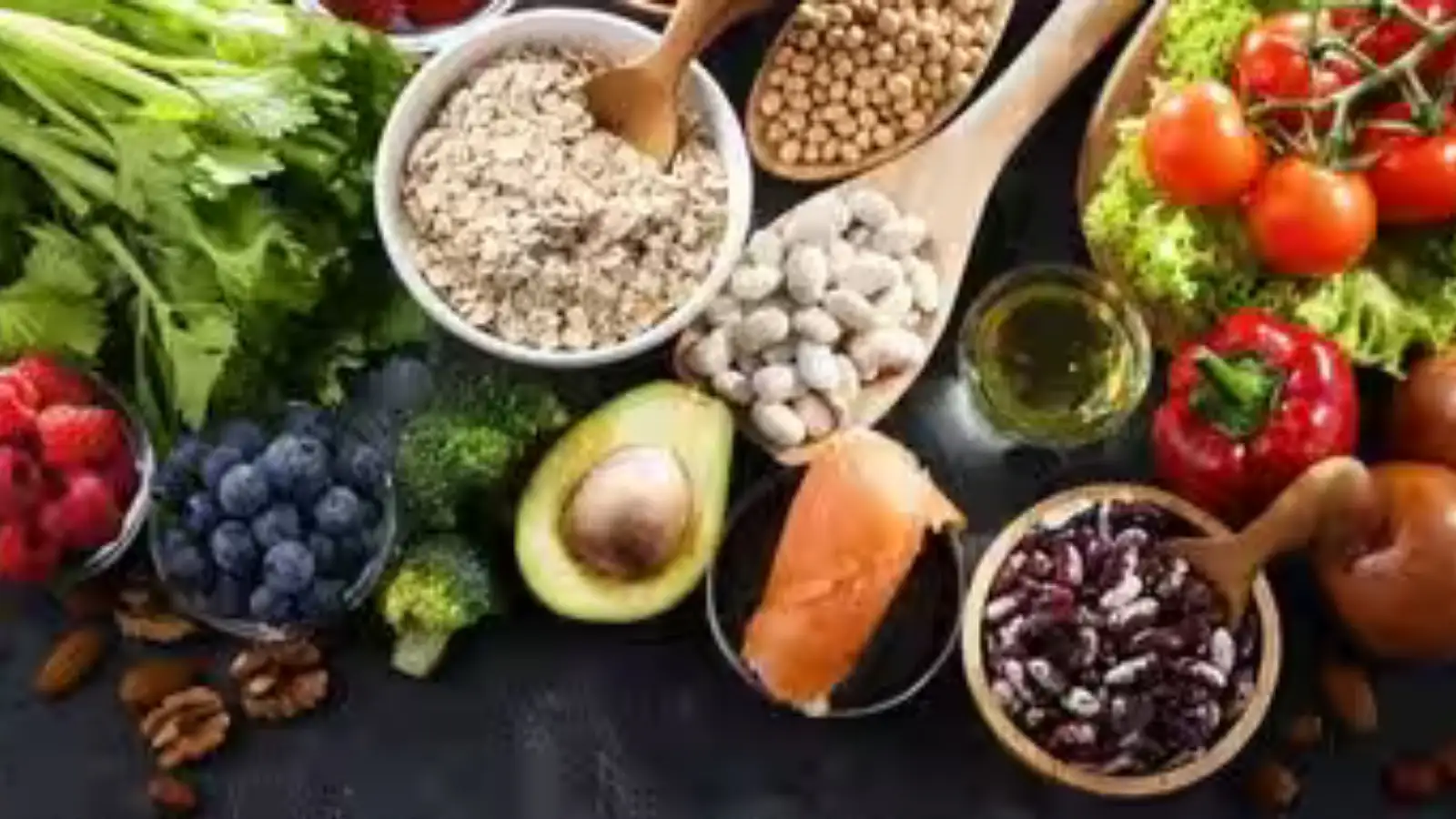
Often called “bad cholesterol,” LDL can contribute to the buildup of fatty deposits inside arteries. Over time, this may increase the risk of cardiovascular problems. Genetics, physical activity, body weight and existing health conditions can all influence cholesterol, but diet also plays an important role.
Fortunately, some everyday foods can make your diet more heart-friendly.
Adding fresh garlic to meals regularly may support healthier cholesterol levels and could also contribute to better blood pressure management. Its antioxidant properties may further help protect cells from oxidative stress.
You can easily include garlic in soups, vegetables, dals, curries and salad dressings. However, garlic should complement - not replace - cholesterol medication prescribed by your doctor.
Dark chocolate containing a high percentage of cocoa provides flavonoids and other antioxidant compounds. These compounds may support blood vessel function and help protect LDL cholesterol from oxidation.
If you enjoy chocolate, choose a small portion of dark chocolate with around 70% or higher cocoa content rather than highly processed varieties loaded with added sugar.
Remember that dark chocolate is still calorie-dense, so moderation is key.
Soluble fibre can bind with cholesterol and bile acids in the digestive tract, helping the body remove them rather than allowing as much cholesterol to be absorbed.
A bowl of oatmeal or another minimally processed oat-based breakfast can therefore be a practical way to increase your daily fibre intake. Add fruits such as berries or bananas for extra fibre and flavour.
Their fibre content may help reduce cholesterol absorption, while their protein and filling nature can make it easier to maintain a healthy weight.
Replacing some meals containing fatty meats with beans or lentils is a simple dietary swap that can benefit overall heart health.
Salmon, mackerel, trout and tuna contain omega-3 fatty acids, which are known for their role in cardiovascular health. Omega-3s can help lower triglyceride levels and may also support healthy heart rhythm and reduce inflammation.
Rather than focusing only on removing foods from your diet, consider making healthier substitutions. For example, replacing some servings of fatty red meat with fish can provide beneficial fats while reducing your intake of saturated fat.
Your cholesterol levels can be influenced by several factors, including genetics, age, weight, physical activity, medical conditions and medications. If a doctor has prescribed cholesterol-lowering medicine, do not stop or change it without medical advice.
The most effective approach usually combines a balanced diet with regular physical activity, weight management where appropriate, avoiding smoking and following your healthcare professional's recommendations.
What Is Bad Cholesterol And Why Does It Matter?
Cholesterol is a waxy substance that your body needs to perform several essential functions, including building cells and making certain hormones. The problem arises when there is too much low-density lipoprotein (LDL) cholesterol in the bloodstream.Often called “bad cholesterol,” LDL can contribute to the buildup of fatty deposits inside arteries. Over time, this may increase the risk of cardiovascular problems. Genetics, physical activity, body weight and existing health conditions can all influence cholesterol, but diet also plays an important role.
Fortunately, some everyday foods can make your diet more heart-friendly.
1. Garlic May Help Manage Cholesterol Levels
Garlic is more than just a flavour booster. It contains sulphur-containing compounds that have been studied for their potential cardiovascular benefits.Adding fresh garlic to meals regularly may support healthier cholesterol levels and could also contribute to better blood pressure management. Its antioxidant properties may further help protect cells from oxidative stress.
You can easily include garlic in soups, vegetables, dals, curries and salad dressings. However, garlic should complement - not replace - cholesterol medication prescribed by your doctor.
2. Choose Dark Chocolate With Higher Cocoa Content
Yes, chocolate can have a place in a heart-conscious diet - but the type and portion matter.Dark chocolate containing a high percentage of cocoa provides flavonoids and other antioxidant compounds. These compounds may support blood vessel function and help protect LDL cholesterol from oxidation.
If you enjoy chocolate, choose a small portion of dark chocolate with around 70% or higher cocoa content rather than highly processed varieties loaded with added sugar.
Remember that dark chocolate is still calorie-dense, so moderation is key.
3. Oats Are A Simple Breakfast For Lower LDL
Oats are one of the easiest foods to add to a cholesterol-friendly eating plan. Their biggest advantage is soluble fibre, particularly a type called beta-glucan.Soluble fibre can bind with cholesterol and bile acids in the digestive tract, helping the body remove them rather than allowing as much cholesterol to be absorbed.
A bowl of oatmeal or another minimally processed oat-based breakfast can therefore be a practical way to increase your daily fibre intake. Add fruits such as berries or bananas for extra fibre and flavour.
4. Beans And Lentils Can Support Better Cholesterol
Beans and legumes are another excellent source of soluble fibre and plant-based protein. Kidney beans, chickpeas, lentils and black-eyed peas can be added to everything from curries and soups to salads.Their fibre content may help reduce cholesterol absorption, while their protein and filling nature can make it easier to maintain a healthy weight.
Replacing some meals containing fatty meats with beans or lentils is a simple dietary swap that can benefit overall heart health.
5. Fatty Fish Can Help With High Triglycerides
If your cholesterol report also shows elevated triglycerides, fatty fish can be a particularly useful addition to your diet.Salmon, mackerel, trout and tuna contain omega-3 fatty acids, which are known for their role in cardiovascular health. Omega-3s can help lower triglyceride levels and may also support healthy heart rhythm and reduce inflammation.
You may also like
- Lessons From Krishna on Dharma, Devotion and Inner Strength
- Quote of the Day by Leo Tolstoy, "When you love someone, you love the person as they are, and not as you'd....”
- That 'Banarasi' saree may not be Banarasi at all: 7 ways to tell an authentic handloom from a powerloom copy
- Before he died in 2013, an Ohio man gave his son a final mission: use a metal detector to find the wedding ring he lost in the yard nearly 50 years ago
- Meet Tanvi: NEET-PG aspirant takes exam in tears as parents remain missing after Nepal floods: 'I have to do it for them'
Rather than focusing only on removing foods from your diet, consider making healthier substitutions. For example, replacing some servings of fatty red meat with fish can provide beneficial fats while reducing your intake of saturated fat.
Can Food Alone Reverse High Cholesterol ?
A healthier diet can make a meaningful difference, but food should not be considered a guaranteed cure for high cholesterol.Your cholesterol levels can be influenced by several factors, including genetics, age, weight, physical activity, medical conditions and medications. If a doctor has prescribed cholesterol-lowering medicine, do not stop or change it without medical advice.
The most effective approach usually combines a balanced diet with regular physical activity, weight management where appropriate, avoiding smoking and following your healthcare professional's recommendations.
Simple Diet Swaps For Better Heart Health
Along with adding cholesterol-friendly foods , consider making a few everyday changes:- Choose whole grains instead of refined grains.
- Add more vegetables, fruits and legumes to meals.
- Replace butter and other sources of saturated fat with healthier unsaturated fats where appropriate.
- Limit highly processed foods and foods high in saturated and trans fats.
- Choose fish, beans and other lean protein sources more often.
- Keep portions of calorie-dense foods, including dark chocolate, moderate.
- Stay physically active as recommended by your healthcare professional.






Loving Newspoint? Download the app now
