
5 Foods Japanese Women Rely On for a Healthy Gut

Why do Japanese women often appear to age more slowly and maintain such vibrant health well into old age? The answer is not hidden in luxury skincare or modern supplements. Instead, it comes from something much simpler and deeply traditional, their food culture.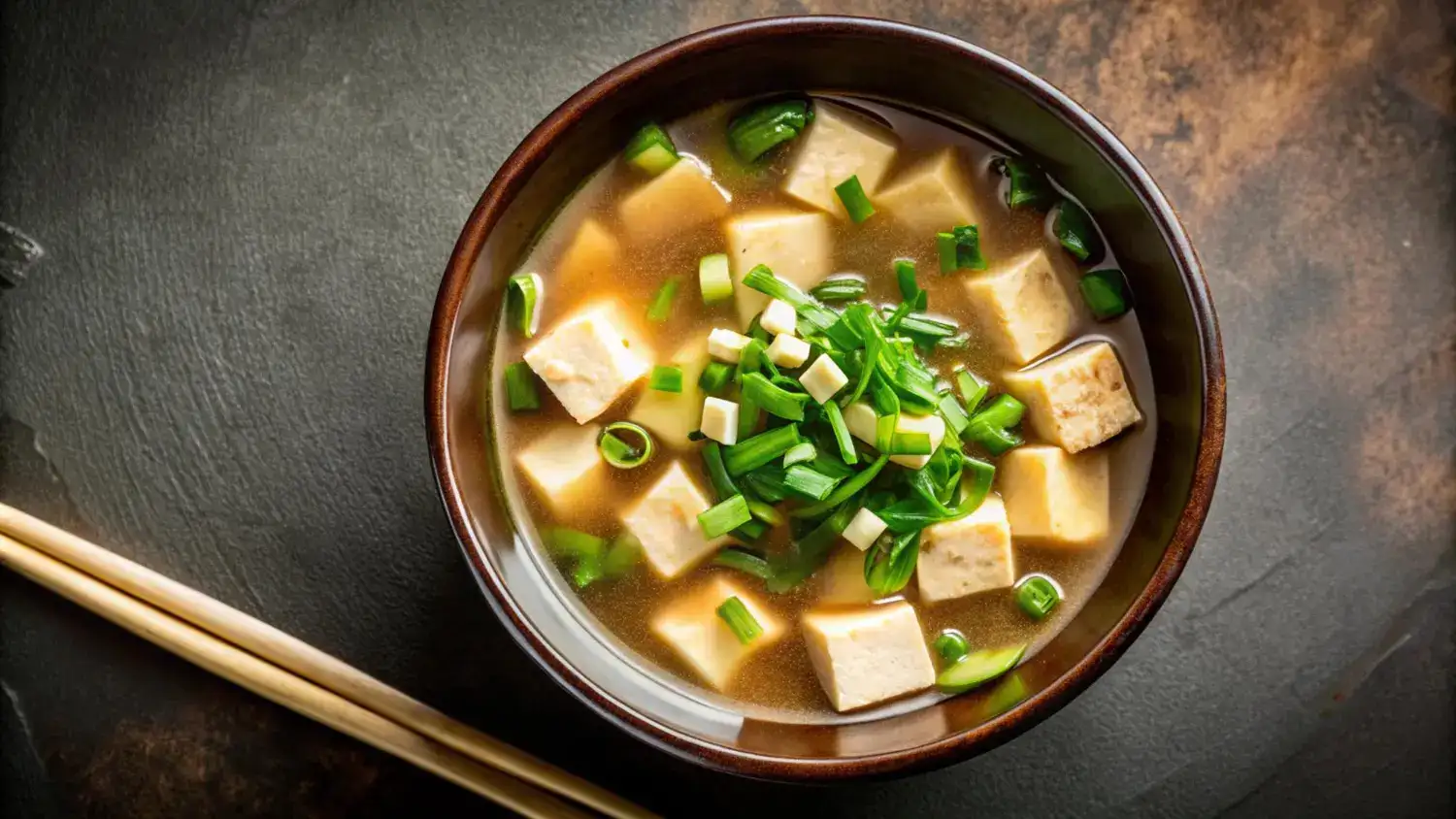
Japan is consistently ranked among the healthiest countries in the world, with impressive life expectancy rates. While genetics play a small role, the real foundation lies in everyday meals shaped by centuries-old dietary habits. These foods are designed to support gut health, reduce inflammation, and provide strong antioxidant protection that helps the body age more slowly from within.
Here are some traditional Japanese foods that quietly power this “healthy aging” lifestyle.
Fermented Cabbage or Sauerkraut
Fermented vegetables are a regular part of Japanese meals. Fermented cabbage, similar to sauerkraut, is often served in small portions alongside main dishes. It is rich in natural probiotics that support a healthy gut microbiome.
A healthy gut is linked to better digestion, stronger immunity, and even improved skin health. This simple side dish is also low in calories and naturally rich in vitamin C and antioxidants. It can be store-bought (look for clean labels with just cabbage and salt) or prepared at home through natural fermentation.
Kuzu Root Starch
Kuzu is a traditional Japanese starch made from the root of the kudzu plant. It is commonly used as a natural thickener in soups, sauces, and warm drinks.
Beyond its culinary use, kuzu has long been valued in traditional wellness practices for supporting digestion. It is also known for its antioxidant content and its potential role in helping stabilize blood sugar levels. Easy to use and gentle on the stomach, it adds both texture and nourishment to everyday meals.
Umeboshi Paste
Umeboshi, a fermented plum paste, is a strong-flavoured but highly valued ingredient in Japanese cuisine. It is often eaten in small amounts before meals or mixed into warm water.
This traditional food supports digestion and is naturally rich in beneficial compounds formed during fermentation. It is also known for its refreshing effect on the body and is traditionally used to help ease discomfort like fatigue or mild headaches. Despite its intense taste, it remains a long-trusted part of daily eating habits.
Kukicha Tea
Kukicha, sometimes called twig tea, is made from the stems and stalks of the tea plant rather than just the leaves. This gives it a lighter caffeine content and a unique nutritional profile.
It contains minerals and antioxidants and is often enjoyed as a calming daily drink. Many people appreciate it for its gentle effect on digestion and its soothing nature. In Japan, it is more than just a beverage, it is part of a mindful daily routine that supports balance and wellness.
Miso Soup
Miso soup is one of the most iconic elements of Japanese cuisine, often enjoyed at the beginning of the day. It is made from fermented soybeans, sea salt, and kōji culture, creating a rich source of natural probiotics.
This warm soup supports gut health, especially after overnight fasting, and provides protein, vitamins, and minerals in a light and easily digestible form. Ingredients like tofu, seaweed, and green onions are often added depending on the season, making it both adaptable and nourishing.
What makes these foods powerful is not just what they contain, but how they are used together. Japanese eating habits focus on balance, small portions, fermentation, and consistency over time. The result is a diet that quietly supports the body from the inside out, helping maintain energy, digestion, and overall vitality.
Healthy aging, in this case, is not a trend. It is a tradition served one meal at a time.
Japan is consistently ranked among the healthiest countries in the world, with impressive life expectancy rates. While genetics play a small role, the real foundation lies in everyday meals shaped by centuries-old dietary habits. These foods are designed to support gut health, reduce inflammation, and provide strong antioxidant protection that helps the body age more slowly from within.
Here are some traditional Japanese foods that quietly power this “healthy aging” lifestyle.
Fermented Cabbage or Sauerkraut
Fermented vegetables are a regular part of Japanese meals. Fermented cabbage, similar to sauerkraut, is often served in small portions alongside main dishes. It is rich in natural probiotics that support a healthy gut microbiome. A healthy gut is linked to better digestion, stronger immunity, and even improved skin health. This simple side dish is also low in calories and naturally rich in vitamin C and antioxidants. It can be store-bought (look for clean labels with just cabbage and salt) or prepared at home through natural fermentation.
Kuzu Root Starch
Kuzu is a traditional Japanese starch made from the root of the kudzu plant. It is commonly used as a natural thickener in soups, sauces, and warm drinks. Beyond its culinary use, kuzu has long been valued in traditional wellness practices for supporting digestion. It is also known for its antioxidant content and its potential role in helping stabilize blood sugar levels. Easy to use and gentle on the stomach, it adds both texture and nourishment to everyday meals.
Umeboshi Paste
Umeboshi, a fermented plum paste, is a strong-flavoured but highly valued ingredient in Japanese cuisine. It is often eaten in small amounts before meals or mixed into warm water. This traditional food supports digestion and is naturally rich in beneficial compounds formed during fermentation. It is also known for its refreshing effect on the body and is traditionally used to help ease discomfort like fatigue or mild headaches. Despite its intense taste, it remains a long-trusted part of daily eating habits.
You may also like
- Kriti Sanon ditches sweet and safe for pure dark-glam in this Nensi Dojaka ensemble
- Glass, Plastic, or Steel? Which Bottle Should You Use to Feed Milk to a Baby? Experts Reveal the Safest Option...
- Parenting: How Are Japanese Children So Calm and Well-Behaved? Discover Their 10 Parenting Mantras...
- Most Indians have never heard of Gandikota—so why is it suddenly on everyone's bucket list?
- Making connections one pedal at a time: Is ultracyling the new golf?
Kukicha Tea
Kukicha, sometimes called twig tea, is made from the stems and stalks of the tea plant rather than just the leaves. This gives it a lighter caffeine content and a unique nutritional profile. It contains minerals and antioxidants and is often enjoyed as a calming daily drink. Many people appreciate it for its gentle effect on digestion and its soothing nature. In Japan, it is more than just a beverage, it is part of a mindful daily routine that supports balance and wellness.
Miso Soup
Miso soup is one of the most iconic elements of Japanese cuisine, often enjoyed at the beginning of the day. It is made from fermented soybeans, sea salt, and kōji culture, creating a rich source of natural probiotics. This warm soup supports gut health, especially after overnight fasting, and provides protein, vitamins, and minerals in a light and easily digestible form. Ingredients like tofu, seaweed, and green onions are often added depending on the season, making it both adaptable and nourishing.
What makes these foods powerful is not just what they contain, but how they are used together. Japanese eating habits focus on balance, small portions, fermentation, and consistency over time. The result is a diet that quietly supports the body from the inside out, helping maintain energy, digestion, and overall vitality.
Healthy aging, in this case, is not a trend. It is a tradition served one meal at a time.






More from our partners


Loving Newspoint? Download the app now
