Beyond the Pandals: 5 Places in Maharashtra Where Ganesh Chaturthi Shapes City Life

Every year, the arrival of Ganesh Chaturthi transforms Maharashtra into a radiant showcase of faith, artistry, and community spirit. While household worship remains deeply intimate, the public celebration Ganeshotsav completely redefines the state's social and physical geography for ten days. Streets turn into vibrant cultural corridors, historic temples become focal points of round-the-clock devotion, and local youth groups organize massive community initiatives. Beyond the grand spectacles, the festival is a living legacy that connects contemporary urban life with centuries of Maharashtrian history, coastal traditions, and regional identity.
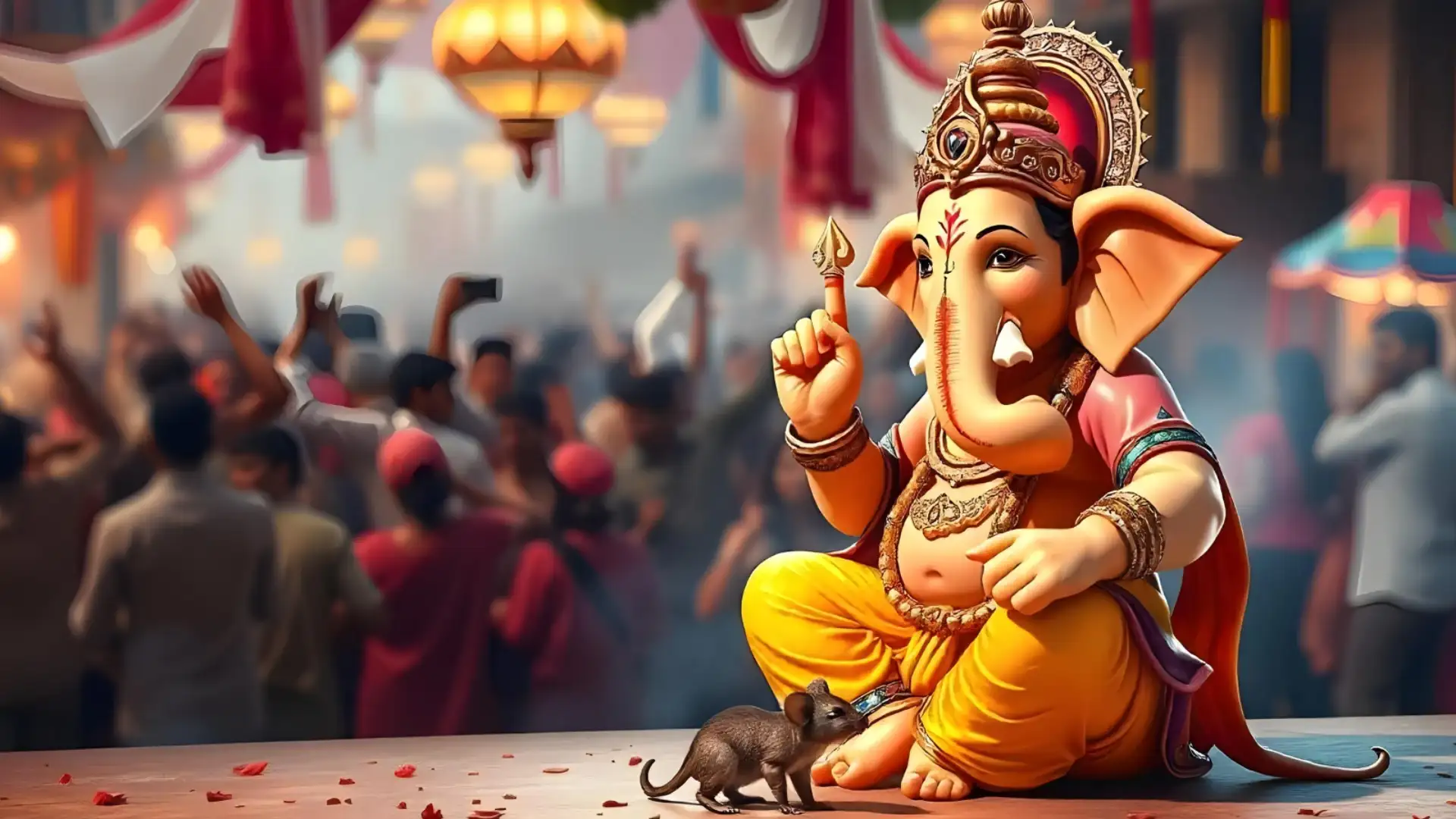
Hero Image


1. Mumbai: Grandeur on a Dramatic Scale

In Mumbai, Ganeshotsav transforms India’s financial capital into a massive, city-wide celebration. For ten straight days, entire neighborhoods revolve around neighborhood mandals (community committees) and temporary pandal installations. Famous idols like Lalbaugcha Raja, Mumbaicha Raja, and Andhericha Raja draw millions of visitors who line up for hours to seek blessings. The festival culminates in the energetic Visarjan (immersion) processions, where thousands of idols are escorted through crowded streets accompanied by traditional dhol-tasha drum troupes before reaching Girgaon Chowpatty and Juhu Beach.

2. Pune: Deep Historic and Traditional Roots

Pune holds a foundational place in the history of public Ganeshotsav celebrations. It was here in the late 19th century that freedom fighter Lokmanya Tilak transformed private household Ganesh worship into a public community event to unite people. Today, the city maintains strict cultural protocols during the festival. The prestigious Manache Ganpati (five historic, highly revered idols led by the city's gram daivat, Kasba Ganapati) hold the primary honor during immersion processions. Meanwhile, sites like the Dagdusheth Halwai Ganpati Temple serve as central focal points for elaborate light displays and classical music performances.


3. Ganpatipule: Where Devotion Meets the Konkan Coast

For a distinct alternative to mega-city celebrations, Ganpatipule offers a tranquil, nature-focused experience along the Konkan coastline. The village revolves around the 400-year-old Shri Ganpati Temple, situated right on the sandy shores of the Arabian Sea. The presiding deity faces westward toward the sea, creating a serene spiritual atmosphere where ocean waves crash near the temple perimeter. Devotees perform pradakshina (circumambulation) around the hill behind the temple as part of a long-standing coastal tradition.

4. Nashik: Rich Temple Heritage and Gauri Traditions

In Nashik, Ganeshotsav integrates ancient temple heritage with vibrant local customs. The city features historical shrines such as the Shree Navshya Ganpati Temple and ancient temples in the Panchavati area. A defining aspect of Nashik’s festival period is Gauri Aagman, where goddess Gauri (an incarnation of Parvati) is welcomed into homes and pandals midway through the festival with elaborate decorations, traditional feasts, and traditional folk music.


5. Kolhapur: Deeply Ingrained Regional Culture

Located in southern Maharashtra, Kolhapur brings its distinct cultural identity to Ganeshotsav celebrations. Away from heavy tourist traffic, the festival remains deeply tied to local civic life, family traditions, and artisanal craftsmanship. Like Nashik, Kolhapur is famous for its grand Gauri Aagman celebrations, alongside traditional wrestling matches, regional folk performances, and community feasts organized by local youth groups.

Whether framed by the high-energy streets of Mumbai, the historical reverence of Pune, or the coastal tranquility of Ganpatipule, Ganeshotsav across Maharashtra remains unmatched in its scale and emotional depth. Each region brings its own unique flavor blending modern spectacle with age-old rituals like Gauri Aagman and dhol-tasha processions. Beyond the ten days of festivities, the festival serves as a powerful reminder of how shared traditions, artistic expression, and community devotion continue to bind the people of Maharashtra together across generations.