
5 Iron-Rich Foods You Should Add to Your Diet for Better Health

Iron is a mineral that serves several important functions, with its main role being to carry oxygen throughout your body as part of red blood cells.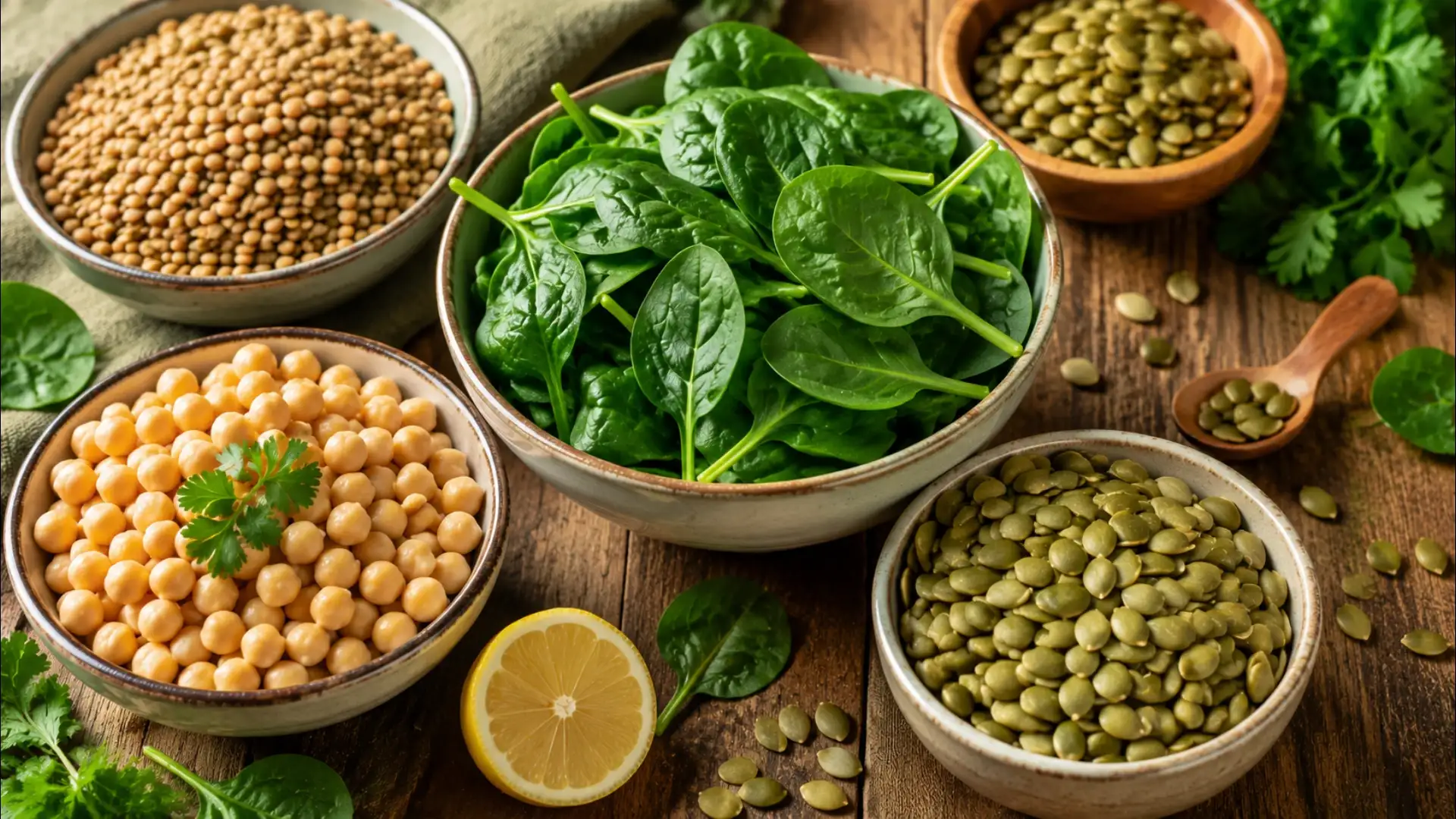
The Daily Value (DV) for iron is 8–18 mg for non-pregnant adults. A deficiency can occur if your intake is too low to replace the amount you lose daily.
Interestingly, the amount of iron your body absorbs is partly based on how much iron you have stored.
Iron deficiency can cause anaemia and lead to symptoms such as fatigue. Menstruating women who don’t consume iron-rich foods are at a particularly high risk of deficiency.
Here are some healthy foods that are high in iron.
The Daily Value (DV) for iron is 8–18 mg for non-pregnant adults. A deficiency can occur if your intake is too low to replace the amount you lose daily.
Interestingly, the amount of iron your body absorbs is partly based on how much iron you have stored.
Iron deficiency can cause anaemia and lead to symptoms such as fatigue. Menstruating women who don’t consume iron-rich foods are at a particularly high risk of deficiency.
Here are some healthy foods that are high in iron.
You may also like
- “I carried diapers and food for him while he trained in cold”: At 5, Fateh Singh Gill is a world martial arts champion, his mother shares the journey; why supporting a child's natural talent is important
- Man notices 'Made in India' manhole lids in New York, calls it 'shameful'; internet disagrees, asks, 'What's your point?'
- Tara Sutaria goes full glam in figure-hugging leopard gown at Toxic trailer launch
- You cannot book tickets online without an IRCTC account; here is how to create one.
- Less Crowding in General Coaches: Every Train to Now Have at Least 4 General Coaches
1. Spinach
Spinach is one of the most commonly available sources of non-haem iron. It also provides vitamin A, vitamin C, folate and fibre. Although the body absorbs iron from plant sources less efficiently, combining spinach with a vitamin C-rich food, such as lemon juice or tomatoes, can improve absorption. It can be added to dals, palak paneer and smoothies, or used as a base for salads and soups.2. Red Meat
Beef, lamb and mutton are all rich in haem iron, which the body can absorb more easily than plant-based iron. These meats also provide high-quality protein, vitamin B12 and zinc. Lean cuts are the healthier choice and can be prepared as kebabs, grilled pieces or stews, or added to traditional Indian dishes such as keema or curry. Eating red meat once or twice a week can help maintain iron stores, especially for those with increased needs.3. Lentils
Lentils are a valuable plant-based source of iron, particularly useful for vegetarians and vegans. Along with iron, they offer protein, fibre and slow-digesting carbohydrates, which help maintain stable energy levels. Soaking and cooking lentils properly can reduce compounds that may interfere with iron absorption. They are commonly used in dals, soups, khichdi and salads, and can be easily flavoured with spices, herbs and lemon juice.4. Pumpkin Seeds
These seeds are rich in iron, magnesium, zinc and healthy fats. Just a small handful can contribute to your daily iron intake. Pumpkin seeds are also convenient and versatile. They can be eaten roasted as a snack, added to muesli or porridge, or sprinkled over salads, baked goods or yoghurt. For better absorption, they can be paired with fresh fruits or vegetables that are high in vitamin C.5. Chickpeas
Chickpeas provide a good amount of non-haem iron, along with protein and dietary fibre. They are filling, affordable and widely used in dishes such as chana masala, hummus, soups and stir-fries. Soaking chickpeas before cooking makes them easier to digest and can help improve nutrient absorption. Adding lemon juice or raw onion can enhance iron availability from the meal.





Loving Newspoint? Download the app now
